6.5 - Harrison and Seb from Numbers Gallery
With hosts Matt Sitas and Aiden Loughlin · · Listen on Spotify
Guests: Harrison (@hwitsey), Seb (@turbochargedseb)
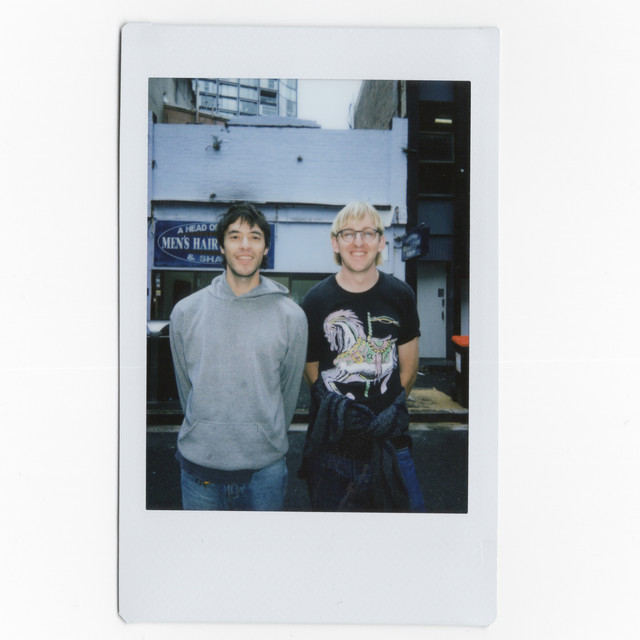
In January, Harrison and Seb and their friend Emma started a gallery on Kellett street in Potts Point.
Transcript
I also just got back from Vietnam yesterday, so I’m a little. Not a little. Sleepy and yeah, nice docile than usual. I’m not just being a nonchalant a month. Cool. Yeah. Whoa it. Was beautiful. It was really good. Yeah, you even went to like a little art Academy. Yeah, I went to art school there. Oh my God. Cool. Whoa, what was that like it?
Was really good yeah it was really like academic like traditional academic like spend 3 hours drawing a cube while the professor’s like no. You’re. Really wrong. Like, fix it.
He’s a cool guy, yeah. Because they got a lot of stuff around collectives. Oh. Yeah. Well, because they don’t have much funding there, so there’s a lot of people just doing DIY stuff. Yeah, it was really cool. How’d you find it? Should we like? Should we hit? Go yeah, this is yeah, we’re all going. Yeah, yeah. How’d I find it? Shout out to Art Judah, Hanoi.
I was looking for somewhere just to do some art because I’m like, I guess I’m like learning art. I never went to art school or anything. Yeah, yeah, I got ABA and I’ve done a lot of like reading and writing and thinking. And then I was like, hey, I want to do some drawings. It just seemed like a pretty unique thing. It was like a sort of, you know, like drop in art classes, a kind of like clustered around that sort of paint and sip end of
things, like drop in, do something. But this was kind of an interesting thing. It was like serious art school, like put together by people from like the local Fine Arts Academy in Hanoi. And so they were like you can drop in and do like serious, it’s kind of probably the equivalent of like a Nas like short course, you know, you do like 10 lessons or something.
So it was cool was. Everyone in your class also like were they from Vietnam or were you with the only? Locals, Yeah, yeah, it was really fun. Some people would go every day, some people would go like once a week. But it was sweet to be around such a like, yeah, I guess like traditional media, you know, as
like, people doing colour wheels and like, I must have spent three hours on the pyramid, like, just like shading the pyramid. And he’s like, it still sucks. Like, true, it sucks. Yeah. Anyway, that’s what I’ve been up to. Interesting. OK, let me just introduce everyone. So welcome back to Hung up Today
we on the sofa and the floor. We have Harrison and Seb from Numbers Gallery. Just missing Emma because we didn’t have enough inputs on the desk. But welcome you guys. Thanks. For having us. Hello. So I, I was wondering about the, like actual space itself.
Like was there a reason that King’s Cross was the suburb you wound up in? Or was it like was that just the because I know how hard it is to find a suitable commercial property for. Yeah, this stuff, we’re looking at a few different neighborhoods. I was really obsessed with something in Haymarket for a long time. I was like kind of set on like CBD or just someone that was really accessible.
I think that’s kind of important if you want to get people through it. And this place came up and it was like the price was right. It was significantly cheaper than places we were looking at. Really. Yeah, that’s interesting. Yeah, like, like way cheaper. Yeah, yeah. ‘Cause it was a Barber before,
was it was the Barber like functioning or they had long? Had it been closed like empty for like at least five years? Yeah, I thought so. Yeah, yeah, yeah, I thought so, yeah. They’re like those things I think none of us had done before, like getting insurance.
And it’s all kind of entangled, like you need to like be able to sign the lease, You have to like have insurance and then you need to be incorporated. Sign the contract. And that stuff, but it’s like, we’ve done it, but if we had to do it again, it would feel like the first time. So like we just stumbled through and then it’s like, I wouldn’t
know how to like advise. Incorporated Association. We did it wrong. The first time and you can’t. If you sign up wrongly, the bank won’t work with you and you’ve got to do it properly and then come back to the bank and then come I’ve. Done a bit of that before I’d had like a partnership and I tried to turn into. A yes exactly with like 2 ABS exactly exactly Cancel it yeah
I. Literally got a letter from ASIC being like you owe us like business register I think. I thought I just want to. Close my business, Australia. Please. Yeah. Damn. It’s nasty stuff. Yeah, but that’s behind you now. How long have you? Guys been open like two or three months. Since January we got the keys in early.
Two months and how long do you think you’ve got the, I mean, you’ve signed a lease, right? Well lease is month to month. Oh, it’s month to month. OK, we. Feel like we have the goodwill of the agent. Cool. But yeah, Sydney real estate. Yeah, yeah, you’re at the the behest of whatever the fuck they wanted to, right? Like, I think they’re happy with
what we’ve done in terms of like, the way the space has been changed. They’re getting some money. But yeah, something we want to lock down. Yeah, cool. Yeah, yeah, Yeah, cool. If if they had offered you like a, you know the standard 5 + 5 like 5 years, would you have? We’re super keen on making it more permanent. For a number of years.
They were oddly generous. Like, obviously I’m naturally suspicious of real estate agents, but. Yeah, a healthy suspension. They seemed like quite open to
letting us try it out before we like, signed up for something a bit longer. That’s amazing. Yeah, kind of cool, yeah. The longer there, the more it’s like dawning on us. It’s like quite a unique opportunity, totally feels quite rare, Totally we’re paying. Absolutely, Yeah, Yeah, We were talking about this apartment when you guys walked in and it’s like, yeah, this is incredibly
cheap rent for city. Like I should not be, I shouldn’t shouldn’t even say this like, but I should not be paying $320 a week to live like this, you know, I should be paying a. Palace. In the palace. Yeah, in the art gallery I. Put a big reverb on this track to make it safer, yeah.
That’s cool. That’s really cool. And I feel like a lot of, like, galleries and independent spaces end up with a story like that because they have to like this almost like strange synchronicity, stars aligned, you know, everyone’s in the right place.
But isn’t the fact it was empty for so long and no one else had released it? I’m like, it’s crazy, Yeah. Yeah, interesting. I mean, that always confuses. I mean, I’ve done a tiny bit of research into that. It’s like investment stuff right where it’s. Like, yeah, yeah, yeah. The speculative value of a place by like putting a number on it, you’re like, it could be worth anything, but now it’s worth whatever.
You guys, yeah, Yeah, it’s hard because. It just seems like, you know, like even like a kid level like economic brain. I’m like, don’t you guys want some? Money. Yeah, yeah, yeah. Yeah, fucking interesting. Someone call in and. Tell us, yeah, give us a we should get a real estate agent. That would clean us all up. The one intelligent would like the group graffiti on his like
he’s like doing a cool new style. That’s funny. Yeah. True. Yeah. You. Mentioned. So you kind of probably somewhat over the initial setup admin. Yeah, you. Mentioned like the day-to-day OPS are like huge like. What is that? There’s so many. I just like running early. There’s so many decisions to make about everything.
Timing posting. You know, like. Program. Program. Systems, yeah, but I guess we’re all trying to balance it with our day jobs. So like we try to be like, let’s meet once a week and but it’s actually, it’s hard to do that. Yeah, it’s so natural to get like you’re yeah, these like,
because we, you know, we have this sort of organization with the pod and it’s like, yeah, it was. It was really hard for us in the first couple of years to figure out a rhythm that worked like, yeah, we used to tape like exactly once a week when and everything was too and it was just way too much work. So now we try and like batch together tapings and like, like ordinarily there’d be like
another guest on after this or whatever, but yeah, just so I see just you guys today. Yeah. It was funny. Like sort of it’s like I’ve got like, you know, I could go out tonight, but we actually have to meet tomorrow to like, do you know, stuff like. Yeah, it’s funny how like the, the little like loose collective things can have that. Like, yeah, it can be tense
sometimes. Like I get it. Yeah. Yeah. I mean like you and your mate had like like a hard time, like running a business. Yeah, Yeah, we did. What was your business? It was sort of like a midterm rental thing. It was like a start up, right? Yeah, it was like a tech tech startupy thing.
I have. I taught myself to code like during the big coding boom thing. So I have like a poetry degree and I code.
But yeah, the business is kind of behind me. I will start another one. I’ve been, I’ve finished up now, but the last year or so I was teaching coding in a prison in Lidcombe. So yeah, I don’t know what I’m going to do next, but I was like tried the corporate coding thing and and I tried teaching and I just want to paint comics.
I saw this question on your FBI interview. Opening a space like this is much an emotional act. As a logistical one. What sustains you through the grind of running a gallery? I thought this answer was really interesting. I’d love to hear more about this. As three people locked into Cruise in the arts and especially this part who feel uninspired by it’s institutionally driven cultural
standards. It’s a bit like what else is there to do? So yeah, any any thoughts on? Yeah, I mean, I feel like that’s the crunchiest part of the interview, for sure. Yeah. But it’s like I feel totally locked into a career in the arts. But like, yeah, like the older
you get, I think it’s the it’s the same story in like different industries. But like, I open my phone, I go on Instagram and like, there’s like people, people in the arts who are like have turned into the most horrible people ever who remain. And it’s like these in my peers and they’re excelling and like, yeah, yeah, I don’t know. I don’t want to be part of that. No.
But I am also an arts person, yes. So why I should just do my own thing, right? I suppose could. You go a little deeper on in that like. Yeah. I mean, you have to call anyone out. No, Yeah. Yeah. Well, I mean you have. Anyone. Yeah, yeah, you can say, but we don’t really like doing edits, so just. Yeah, yeah. Yeah, just so you know. It’s, I guess it’s like a, it’s
like a, it’s like a more of a holistic feeling. Yeah. Like everything that I learnt about and like thought about art before I started university and entered the industry is like, not there now that I’m at a point where I can be like an active participant. Yeah, Yeah. I feel like our institutions
have been totally infiltrated by like private money businesses, stuff like if you look at all the boards of like major cultural institutions, they’re like legal people, real estate people, like money people. And like they set the standards that like people that leave university, like want to.
Reproduce Aim for. Yeah.
So I guess that’s part of all why I’m interested in having my own space. Yeah. There should be an alternative in Sydney, I would say. Yeah. For sure. Yeah, for sure. And I mean, I love like what you guys are doing where it’s it’s sort of from what I gather like the curation is all interested mostly in like things connected
to Sydney as a city, right? Yeah, I feel like all, a lot of the ideas we’ve had are really grounded in Sydney as a city
because I feel like a lot of chosen other ethnic institutions look outward in a way that’s, I don’t know, doesn’t feel super grounded in place. I don’t. Know yeah, I mean Sydney, Sydney is a super gentrified context and like gentrification is like a process of like replacement of
like an urban area. But I guess you could also think of the way that like an artistic program at the ARC of NSW is gentrified or like how an Mfas gentrified and like, well, I guess like how does the art that come out of those comes out of those contexts like reproduce the context itself?
Yes. I don’t know. Absolutely. Yeah, absolutely. And that like, contributes to that like scary encompassing, like void feeling where it’s like, I don’t know, like one of the things that I loved when I was younger about galleries was
I lived in the UK for a bit when I was like 21. And I loved one that I could go into some of these places that were crazy. Like I could see like I go to Mayfair as like a barista and walk into this building, which I normally wouldn’t have access to. And I could see like an Eggleston printed really beautiful. And I was like, you have to let
me in here. Like I get to be here. So that was like something that I always found really cool. Then the more independent spaces, walking into a space and feeling like that sense of like, surprise. And I guess like, it’s kind of like, I guess it’s kind of, yeah, it’s a funny way of saying it, but like, just this like naive, almost like childlike, like, whoa, like.
And then sometimes when I feel like I haven’t actually been to like a local gallery for a long time, I have my faces. Like, I can just not go see art for a while. That happens for sure. I just love the feeling of like, I guess it’s surprise isn’t quite it, but like walking into a gallery and seeing something that doesn’t look like, it’s
like, I hate that feeling of walking and being like, this looks like contemporary art, like this is so neatly packaged within the language and visual language of the institution that there is no surprise. Like I’m like, Yep, that looks like exactly how it should look. Yeah. I don’t know. It’s a bit of a. Ram, I definitely. No, I totally agree. Yeah. I feel you and I feel like going
to like, it’s funny, me and my friend Matt Gokulo tried to go to the MCA the other day and everything was like a paid exhibition. Yeah, it’s 35 bucks. Right. Yeah. And it’s we were like, well, like that’s not what I wanted to. I don’t know, I don’t want to like cross that threshold. Like, you know, and yeah.
And, and I also sort of feel like, you know, we, we talk a lot about like the, I guess you can sort of become experienced at seeing art, you know, and like at a certain stage when like that sort of like aura of contemporary and AAT just is taken as like a given, especially in these big
institutional contexts. It feels like I’ve got to like really engage my training every time to like get in there and like, OK, like now I’m like reading this wall text and, you know, and it’s like I’m sort of really, I’m sort of feeling like sort of to give it like a charitable go. I have to put all this like front up all this effort that’s
like often very conceptual and I don’t know, very like, yeah, sort of high minded and all that stuff. Like it’s very like, you know, they’re not bad like values or skills or whatever to develop. But it is really refreshing when you walk into a small space and you just get like, smacked in the face by something that’s like, really local or really
personal, just like it doesn’t require that, like, step up into that world. Yeah, I feel like in terms of like an audience like, yeah, it’s it would be like a tertiary educated in a city, probably like a young person, but don’t want to be too specific who’s interested in art, consider
themselves like progressive left-leaning. And I guess like through the gallery with that audience, I would like to like do projects with artists or like maybe not artists that like challenge some of those like assumptions. Yes, OK. That we have interesting. Yeah, yeah, that’s cool. Yeah.
I mean, we definitely thought a lot about audience when we were like starting out and we we, we initially wanted to, yeah, like have this kind of like universal, like the tone was like explaining art, you know, to a universal thing. And then we realized like it’s just constant work of doing the translation, like. But you’re, I guess you’re
talking about like just kicking up things to that crowd who like might be interested in, I don’t know what broadening their view of art or. Yeah, I mean, maybe like young people who are looking towards like large institutions and the standards that they set. I guess like there’s
professional standards like providing them with like an alternative. And sometimes I can get, I feel like a bit like didactical, like evangelical even about that.
But yeah, that’s that’s like kind of at the core of what I’d like numbers to do. Yeah, interesting. And like, how does that come out like that impulse in your, in your curation in the space, maybe like in the actual physical, like the way you’ve like set up the space. Yeah, I feel like looping back a tiny bit.
It’s like opening a space to present something that you wish existed that wasn’t there before. I think working in a cultural institution, like a lot of people, I think that our audience work for bigger galleries. And it’s like by the nature of spending time in a place like that, you realize all these
reasons that the ways the shows are put together are kind of demented or like there’s things that don’t make sense, aren’t fully thought through. But if you run something outside of that, you can kind of, it’s a bit of a utopia, I think to like realize some of these things. Cool.
And then you, like, have to do it and you like end up just reproducing the standards that you like. That’s so funny. We’re like railing against. I mean, yeah, it’s, it’s like in my own life, like I work in like fashion photography and I feel the same impulse to like, well, I want to be the author and like, I’m a lighting guy and I’m like, well, I want to author some shoots of my own. And then I realized that all of my training has like, happened
in this very structured environment that, like, can’t help but replicate parts of it. I’m trying to just get the, like, good bits that I see, you know? But yeah, you you do find like just these structures really persist. Yeah. I think a lot of it’s just like a reaction reaction like those
professional standards are like stimulated by the fact that we have to pay rent all the time, like. Sure. Before we started, the gallery had all these, like, conversations about what a gallery even is. Like, how could we be different? We were like, we’re not gonna have Instagram and then you like, get the keys and then you have to pay rent and then you have to have a program. You’re like, I’m just gonna
switch straight back into like what I know. Interesting. Yeah. Can we hang on the Instagram thing for a bit? Yeah, sure. Am I getting picked up, Matt? Or maybe? Yeah. OK, yeah. What? What was that? What was the impulse to not like? Yeah. Not to like. I think you need Instagram. I would be very good, yeah. It’d be cool if you didn’t. What was even the Yeah, why would it be cool if you didn’t?
It’s, I don’t know, it’s such like a limiting format like to think in square images. Do you know what I mean? It’s like or like to like. How would this that’s? True, that’s true. Square enough? To me putting in squares in a rectangle. But yeah, we take the point. Even the way that I don’t know the images of art exist next to images of everything else, it’s
like. Yeah, we’ve got. What does that mean? That Flattening of Everything article by yeah, Genevieve Felix Reynolds. Yes, posted up on the. Fridge. Just like, yeah, we that was from a gallery. What was it? It was like pom. What pom, Pom was it? Or the one one of those ones? Yeah. Just about like seeing all art through a flat screen. Yeah, it affected us a lot.
Yeah, it was. But then, yeah, it’s horrifying to think of. Like, how is anyone going to find out about us if we don’t have? I guess is that the ultimate? Yeah, It’s like, what’s the best way to communicate with an audience today? I guess I was hesitant to have Instagram because you’d end up
like thinking about it, he’s like putting lots of energy into that. And if he didn’t have one, you’d be putting energy into like another way of communicating with people. But it also it means that people don’t really feel like they have to come to space. Less of an invitation or something. They don’t have to come to the space because they’ve seen it on
Instagram. You. Mean yeah, they’ve seen like the perfect photo. It’s like the best angle we could see the show from. Interesting. That’s insane. So they’re like kind of true. You kind of can experience everything just through Instagram. Yeah, yeah, like we, we, we lost this interview because of like a technical thing. But yeah, we interviewed this guy who does like reviews of other people’s art on online, on
Instagram mostly. And yeah, he was saying, like, you know, I don’t. He’s like, I know enough about painting that I don’t need to actually go and be there to get something about strokes, which we like. We were like, yeah. Fair enough, I was. Like trying to. Call him out. But I was like, I guess it’s kind of Fair. But yeah, that’s cool. Yeah. With the only other like radical ideas that you tried to sort of,
or maybe things that did work that you’re proud of or. Yeah, I would love to hear some what.
Else I was kind of like into the idea of like rather than Instagram, you just have a Google Drive with APDF of like photos you took of this show and like the text. Yes. And you just like, share the link. Yeah, it’s like an open link. That is interesting, yeah. Just that that style of photography, the like documentation of the show feel,
it always feels very like connected to like real estate and architectural. Photography like Airbnb? Yeah, exactly. Yeah.
And it’s always like, you know, I, I mean, I’ve, I’ve done these shoots like you’re, you’re extracting as much of sort of like apparent value or sort of simplicity, beautifulness out of the like the space that you can. I mean, yeah, people will go to all sorts of lengths to show that. And yeah, it’s funny to sort of show that.
And it’s like even when you’re going in person, it can never look that like square, which is kind of do you like, do you lead with the photo or do you reserve that photography or like, I don’t know, it’s interesting we. Started off being like, OK, we’re going to pay a professional document every show. Yeah. Then we started thinking about like, I mean, mainly we can’t
afford to, like, pay someone like $300 every time we have a show to document it. Yeah. So then we’re like, OK, we’re going to teach ourselves. We haven’t really done that yet. It’s taking photos on our phone for the moment. Cool. Yeah, it works pretty well. Yeah, it’s all right. Yeah. I mean, that’s like that is the, the, like the way a lot of people will see it ultimately,
yeah. Does it feel like an art project like in itself? I guess like between the three of us, there’s a kind of a curatorial project as opposed. I don’t know, I think maybe the three of us have different ideas about what we want to do with shows.
So it’s like. It’s like we have different ideas about what art is as well, what it’s for, which is healthy. Interesting. Yeah, let’s hear it. Like how it works in society? Yeah, what are the?
Differences. I feel like maybe there’s, we’re realizing that initially we thought there was like like total overlap, but maybe there’s like circles in the Venn diagram that we each have our own like edge. So what’s your edge? My edge. I like messy paintings. I don’t know like I like objects
in like things other. Things, yeah.
In a way that I don’t know, I think I was interlapsed with Seb’s and Emma’s interests too. But. Yeah, for me, like I’m really interested in thinking about like how social transformation happens and therefore like what
arts role. And that is you can think of like social transformation through like materialism, which is like I guess the structural analysis of society. Or you can think of like society changing like through ideology, where like once you reach a critical mass of people who
believe the same thing, then like something happens. Like society has changed. And within that like art, your belief around how art functions is dependent. Like changes depending on like which version of like social transformation you subscribe to. Like do you believe that if
enough people see your video about like human injustices somewhere that like you’ll change enough mind? Sure. Or like, is that message itself Co opted by the fact that it’s in an art gallery and like that’s the space where everyone wanted you to put it? I don’t know. What what do you think are the
drivers of social change? I would probably subscribe to like, the first version that I outlined, like that material
formation of history. Yeah, where it’s like class struggle and like Marxism and that kind of stuff. Totally. Yeah, Yeah. I think me too. Like, yeah, I mean, I feel very aligned with a lot of the, like, views that I see in that kind of video, Like, and it’s in every part of our life now, like.
But I do feel that like people, for better or for worse, like really are only able to like, have, you know, we learned about these like circles of empathy in sociology when I studied And like, you know, the we aspire to have this global circle of empathy. But it’s like such a huge task
as well as under this like capitalistic lifestyle that we have like to expand even beyond your own friend group, you know, like, let alone to like the people down the street and blah, blah, blah. Especially. I mean, we were just talking about in, you know, a city with a very private feeling life. Like, you know, some cities you go to where like just everything happens out on the street and
it’s all public like. Yeah, that was the my overwhelming. That’s like I’m trying to, you know, you get back from a longer trip and you try and like sum up, sum it up. And I’m still in that like process of yeah, I guess processing what that much in Vietnam literally just like meant to me. But the big thing that is, like, striking is, yeah, that public
feeling just like the real third space that like, I was like, oh, this is what people mean when it’s like I say, we’re at a cafe and like, someone is getting broken up with. Like someone’s. Doing their makeup like for. A school piece like a big wearing like a Thai headdress and someone else is like gaming and everyone. Has a good stage. And chords and someone’s sleeping and someone’s laughing. And this is all completely like,
no one’s raising an eye brat like. This is just, this is life. So that was really. Beautiful, I know in in Indonesia at least, might be in other parts of Southeast Asia, but they like trace art history not through like the evolution of like style, how like, you know, innovations within the medium of like art making
itself. They, like, trace art history through the way that politics has changed. Well, that is. Interesting. So I guess it’s much more integrated in like. Yeah. Society. That’s so interesting. Publicness. Yeah. Yeah, to go back to your point about like, yeah, the, I guess in a sense, like the function of
galleries or the function of art. I remember when I was in uni, I did a bit of art history and I was really into, I was really like struggling with like politics and art and I guess like theory of change sort of what you’re talking about. And I was really into like social practice. I don’t know if that’s still like around. In the same way like artists do
that it’s like in an artistic context. Yeah, it is. Yeah. It’s like Claire Bishop was a big one. It’s like it was kind of like railing against. I know. It’s like you can’t just do a painting when there’s like things wrong like you. Must. Do your work Must be a political action. And I got kind of like, spun out on that. They were like, well, what’s how can you be thinking about aesthetics when there’s
injustice? Like, how can a painting be pretty? And I was like, yeah, true. Like And then it kind of got into this weird place. And I. Was like, wait, no, but a painting or a comic or something can be, I don’t know. It gets pretty hard. I guess like art, unlike A philosophical argument, can like bear contradiction in a way that
like it doesn’t need to be true or like logically correct. I think it’s really powerful political position. Like to make art that’s not about anything like that is like a political position that you can have. Do you want to say like a bit more about that? Like I’m I’m. Not sure what else I’d say about. That I mean, do you, do you think that like like is, does that count as the artist
abstaining from politics? No, because like, how do I say this? Like this is like, I feel like this example is toy, but in a revolution.
I don’t know what arts role is, to be honest. Yeah, in an emergency or crisis like art, making goes out of the window. Yes, I completely agree. Yeah, or at least it just takes on this eminently iconographic role. Always there’s that photo of Che Guevara or whatever revolutionary figures you want
that. Is literally the title of I’ve forgotten her name, but really famous. It’s called Art in an Emergency and it’s but I mean, I kind of do feel just doing my little comics, like I guess it does feel, if not intrinsically political, intrinsically something powerful, even if the image is not political.
Like I feel like it. Feels like really, really, really critically important that I’m like doing a goofy watercolor self-portrait right now. I don’t. Yeah. I don’t know. Yeah, I guess I don’t feel like I’m abstaining from. It’s like in the context of. Yeah. Yeah, yeah. Interesting. But you’re, you’re not saying
that like good art has good like politics in it, right, Obviously like. No, I don’t think so. I feel like in the contemporary art world at the moment, like globally, there’s a sense of like responsibility that our art needs to speak to these like urgent issues about time, which
I think is important. But I think like there’s a in this like professionalized contemporary arts sphere, there’s a an idea that art has to like speak to those things, but also has to be like convivial, like any tensions
have to be like, yes, not too, not too much like frictions are only generative. Yeah. Where, like, maybe we need some art that’s a bit more like, direct and, like, hurt people’s feelings. I don’t know where the friction is, like, ungenerative, where like, something’s broken. Yeah. Yeah. I love.
It that is really interesting. Yeah, yeah. I love exploring like things that explore the idea of like the, the audience’s like sort of experience of pleasure in that thing. Like I was always really interested in like, I don’t know, like dissonant music and, and stuff that goes from like, it’s sort of built up from like sophistication. Like there’s like jazz where it
can sound really dissonant to like my mom who fucking hates jazz. But then there’s like all this stuff that was constructed like literally with the explicit goal of like just completely throwing out all of the harmonic conventions of the old world, you know, like the, the atonal
music thing and like all that stuff. But yeah, I’m, I’m, I’m really interested in movies and, and like, I haven’t really seen that many paintings do it, but forms of art that can like really like push back on this idea that the audience like deserves a good time entirely, like, you know, such. A it’s such a who was it someone in an interview like a while back we’re talking about like
people unfortunately being like scared at galleries. It’s like like if you’re not, if you haven’t had all your, if you haven’t gone to art school and spent ten years in front of paintings, like for, you know, my parents or whatever, like maybe being in an art gallery is just a bit of a somewhat uncomfortable. And. Somewhat ever had this line about like they feel like the
paintings are bullying them, which I love. So like true and sad and like even a convivial painting can still feel like it’s bullying. Yeah, yeah, yeah. I mean, I was talking to someone recently who’s like super fashion and super cool and they’re like, oh, I’m too scared to go to that, that gallery. It’s scary, yeah. Yeah, I feel like that too, that current galleries and I’m like.
Feel like you get. It in the artwork you mean like? A gallerist, Yeah. So that’s tricky like that. That’s funny because it’s like we need paintings to be more mean. But for some people, like even a nice painting in a scary space is scary. I know in like the 80s in the US, again, this is just from uni, but there was a lot of like extreme, like they’re exploring
those really like extreme aesthetics of like, it’s not going to be nice to you. Like it’s not aggressive and like bullied like because, you know, I guess reflecting political tensions, but it’s always difficult when you simultaneously seek an audience. And then if you’re going to make things like hard for them, like it’s like, you know, you’re
serving someone food and you want it to have like, I’m going to serve you something that’s like gross like because, you know. Yeah, I mean, yeah, to go back to you’re talking about, what’s it called like basically relational aesthetics, social practice. I think like Claire, I mean, to set up an example, there’s like
recruit Tiruvonesia, this artist who in the 90s like was serving fur in the in the gallery and I guess Claire Bishop’s critique of that. I can’t remember what the essay is called, but like she was basically saying that like in a museum context, it’s like the risk factor is very low.
It is about having this like generative tension here and there. But like you can’t critically engage with it. The only way you can like measure like you, you can only say that like these social relations happened in like the museum, but you can’t say anything about the quality of them.
Like it’s just, it just happened. That, that is fascinating. Yeah. But like everyone should basically be having like a little bit of a good time or like a little bit of a bad time. Like there’s nothing, yes, atonal about it or like, yeah, I don’t know. Yeah, fascinating.
I mean, we, we have wound up like, I mean, I don’t know if this comes from, I mean everything is, is the influences are muddled, I think. But we have wound up in this world where I think a lot of gallery space, like a vast majority of gallery spaces have to be this kind of like have to fit in this sort of social box of like what you can expect
walking in. And yeah, like I think like the relationship to the immediate environment, like, but I think like, you know, some places are really like this. Did you guys go to the season opening these? No. Well, yeah, they’re it’s a. Trenton Ave. Yeah. It’s in this sort of community centre.
And I think like obviously the, the, the, the government, the local government is like helping, you know, I think they, I don’t know if they pay rent or whatever, we’re going to get them out to talk about it. But having the like pressure of the day, the weekly rent, like taken out of the equation or reduced just gives them like this amazing freedom to, you
know, they were doing like, I don’t know, gnocchi making dumpling making workshops and stuff. And like it just like, you know, even if like, like even if that workshop was like a complete flop and only one person came and whatever, like I didn’t go, I don’t know. But that just gives that space this amazing like expanded arm of that. And now they’re like, you know, you can, you can just pitch to do whatever there, which I think
is an amazing like challenge to the that sort of social box. But I mean, I have this experience myself. I used to book shows and at the warehouse I used to like, you know, I was involved there a lot and the guy gave me, he didn’t charge me rent for the Tuesday nights that I wanted to do shows on. He just took a cut of the bar or
he kept the whole bar and I kept the tickets and it just, it gave me the like that amazing amount of freedom to put on like whatever band I wanted. And, you know, I dressed it up exactly how I wanted and played whatever music I was like, this is basically free. Like if I make money off of this, that’s a cool bonus. But yeah, it’s so cool how like the moment that you take the the the brake pedal away of that
like sort of money cycle, like all these other things can happen. I mean, yeah, that’s that’s really demonstrative. Of like, I think with this, with the season model as well, like it seems like they’ve got like quite a few Co directors. So immediately like this, this
scope of like their program is really open just by virtue of the fact that there’s so many people involved. And so it’s like they’re just, they feel like totally open to whatever. And that’s the way I felt like they have communicated yes to Sydney as well. Definitely, yeah. I’m really excited to see. Yeah, yeah, yeah. I feel like our model is like
slightly different because there’s only three of us. Yeah, we’re a little bit older. I feel like we’re a bit more jaded, maybe have a stronger idea about like what we don’t want to do. Cool. What don’t you want to do that’s?
A good question. What don’t we want to do?
I want to, I want people to walk past who maybe haven’t been into a gallery before and for the shows to look interesting enough to like, come inside, whatever that will be. I don’t want to be shows that people will like, glance at and walk past. Do you know what I mean? I do know what you mean. And it needs to be like a base level of like, that’s an interesting thing and you come
in and you engage with the content, whatever that is. I don’t want the shows to be boring or the all the same as each other. Yeah. Yeah. Yeah, great arts. Yeah, it’s a great idea. Very difficult. So it’s like, I think that’s like one of the hardest things to get that, to get someone to actually stop and come in that
isn’t an artist or an art student. I think like that’s a beautiful. Like it’s, it’s kind of sounds simple, but I think to actually create a space that has enough of the conditions where someone does that more than once. Yeah, it would be like, I think that would be amazing. Yeah. And I think like that’s you have some really amazing conversations with people coming
to the because the gallery is so public. Like you get like people coming in and having a chat. Yeah. And I feel really lucky for that. Like that’s really nice part of having the gallery. It’s beautiful. It’s those conversations. Yeah, that’s so cool. I feel like Pari did that really well as well.
Yeah, that’s so interesting. Do you feel like the artists that you’re like showing, like how aligned are they on that? Or are you just picking people who were more like just doing that naturally? Yeah, I guess like we’ve only, we’ve only done one show so far with like, I would say like an
artist, artist like the the person who’s responsible for the current show wouldn’t consider themselves like an artist. That’s funny. Yeah, but you say Harry. ‘S. Harry’s magical little wand. How does? Magical. You hear about this? That sounds awesome, yeah. It’s like one of the best things I’ve ever honestly been involved
with in the arts. That’s. Cool. OK, tell us the story. What? What happened? In the work. I mean, yeah, like, like who is Harry? Who? What is the? Wand Yeah, well, Harry wants to remain anonymous because like, they are like.
Were an international student living in Australia from China. The work is like incredibly anti Chinese like anti Chinese state. Like I teach at a university in like the postgraduate course for curating. I got a lot of international students from China. I was saying to Harrison
yesterday, but like 2 days ago after class we sat in a circle in the path outside the art gallery and I like played them the video that’s all in numbers, which is an super anti state. And like a lot of them didn’t know what to do and like kind of like packed up really quickly after like one stayed behind and was like interested in watching it again.
Wow. But basically this video it’s it’s like green screen simulated sex video. It’s like a grinder hook up between 2:00. International students from China who are studying at Sydney University. Yeah, that’s right. I read about. Yeah. It’s like campus on campus on top of the quad. Yes. Which is like, you know, people
refer to as the Harry Potter building. Yeah, it’s. It was filmed at the same. I’m doing inverted commas for some words. It was filmed at the same time as like the student encampments for Palestine. So you can hear like chants beneath them, like while they’re having sex and like you as a
viewer kind of position like in between them, like physically. But I guess they’re just talking about all kinds of different stuff. There’s an amazing booklet that comes with the the show kind of about like why it’s about Harry
Potter. It’s like connected to the one child policy and like the experience of being a young person in China and like being an only child and like feeling chosen when you go to study like at a western like university.
But then it’s like how that’s connected to like, the colonial project in Australia and real estate and like, a lot about like, sustainability and like greenwashing, land theft and. But it’s like really bonkers. Yeah. Video. It’s like, it’s amazing. Amazing. Yeah. That is so cool. Actually, today’s the last day.
Yeah, Yeah. We should go yeah, yeah, yeah, that is so cool. Wow. I mean, like, yeah, that, that, that covers a lot of ground, I think, but yeah, I’d like to. How does someone on the street, like see that front? Like just to take this one as an example, like what, what do they see? I walked past the other day but I I kind of just like it was
close so. Yeah, we’ve got two large screens at either end of the space. But even even the nature of the film, it’s like the screen that’s like, yeah, Harry Potter font with subtitles. And then what might be a couple having sex. It’s like an image that’s not easily placeable. It’s like, what is that Like it’s not an ad, It’s not a
porno. Maybe it is, but maybe it’s a movie because it’s got Harry Potter script. There’s a lot of grunting there’s. A lot of grunting. That’s how we get people. Into grunting, obviously. Like it is like, yeah, it’s like, like I crack up whenever I hear the grunting. It’s sort of like hammed off. That’s amazing. Yeah, that sounds awesome. Wow, what a cool show.
Yeah, it turned out really well, I think. Yeah, it’s nice in there. And maybe we could talk a little bit about how that embodies like what we’d like to do. Yeah, please. How that specific exhibition does, Yeah. A like, it’s not. It’s not by like someone who considers themselves like, like
professionally as an artist. So maybe they care more about like what they want to do in this show rather than like having another show after, you know, like instrumentalizing the opportunity for another opportunity somewhere else that might be bigger. So I, I really like we’re
talking about like what we don’t want to do. I really want to resist, like, making the gallery a place that someone just wants to, like, climb the ladder in the art world, like, can get a step up. Yeah. And I mean, that happens naturally.
But yeah. So this, the person that made the video, they don’t want to be an artist. They just had something they really want to say and turned out to be like, amazing, like an amazing aesthetic experience. But like, the show before that was by an artist in his 50s, like a Sydney guy called Simon Yates, who like, probably isn’t
writing grants because he’s lived in Sydney his whole life. Like his career just kind of, I would say evaporated because the prohibitive cost of rent, like Sydney lockout laws, COVID, like lack of infrastructure. And he’s like, he was like a pretty big deal when he graduated from university.
But like he’s also not necessarily like pursuing professional opportunities or like he’s more interested in just like making work. So maybe that kind of artist that we’d be more interested in showing that someone. You know, we get a lot of people just messaging the Instagram account being like, hey, it’s like, I want to have a show with you guys, which is cool. But if you ask them why, they
can’t really answer other than being like, I’m an artist to do a yeah, people to see in. My work. Yeah, which is like it’s, you know, it’s, it’s totally fine. But there’s something about the way that our industry is structured that like it, like it doesn’t allow the art to do what people say that it does or like, galleries aren’t actually doing
what we describe them as like, as doing, Like something’s not working. Like we have so many images of like, I don’t know, like historically marginalized things, like injustices, but like, as far as it can tell, like surface. Level. It like the issue is still there, like it feels like the images aren’t working somehow. So, people.
Want to crossover like how loaded a gallery space is? Sometimes it’s like, oh, we have these cool images, but I’m like, but the space is insane. Like I’m telling you, like as soon as you walk past the threshold, like it’s thick with like we’re stuck on like the the medium is the message shit. It reminds me of why Pew release like the poor artist stuff,
which I haven’t read but I’m sure is super interesting. I’ve loved their work for a long time. They had like a gallery that was like Instagram only. Do you guys hear about this? I think that was. A great idea, yeah. So it like gives you the clout of like, having a show and it looks as if it’s a real gallery. But it’s actually. A really small space that’s never open. So I was like, oh, that’s a
cool, like the reverse of kind of what you’re doing inside. We can have these physical spaces that can push boundaries, but then we can acknowledge that you need a career and you need a stepping stone. Those are always such a sweet little like cuz I didn’t even know that. It was like a quote UN quote fake gallery. I forgot what that gallery was called.
But yeah, that was cool. But yeah, I was it. That’s that’s a really interesting project. I guess the word like naive or like, I guess we probably don’t really use this word anymore, but like outsider artist like comes to mind. But I feel like that’s a bit as someone who is very critical of institutions, but also like has
learned in them and can like play pretty well, you know? Yeah, I mean the three of us institutionally produced.
Yeah, true, born of. Yeah, yeah, yeah. By the three of us I mean like like Harrison, Emma and I, so. I get it. Yeah, yeah, yeah. Yeah, it’s interesting. Yeah. Oh, no, you go. No, no. Go ahead. I was just going to pick up on what you’re saying about outside artists.
Like I am super interested in showing people that like haven’t had a show before, like haven’t been to university. Like, we’re right next to a safe injecting room. And like, I also work at the Wayside Chapel in the op shop, which is like, also in Kings Cross. It’s like Kings. So there’s like a lot of crossover between the people that go there, people that are
like, always hanging out outside the gallery and like, most of them have an arts practice. Yeah, right. Yeah. And I’m not saying like, we should just give them a solo show. Like, I don’t know the nuances around, like, around what that really means. But yeah, like being a space for them to come in. Like we do have a project, the
safe injecting room later this year. That’s cool, yeah. That’s awesome. Yeah, yeah, yeah. I, I love that. Like that impulse to, to resist the sort of career climbing thing. Yeah. I hope that sort of that filters out like socially and and in the way that the like the work is like engaged with, like we’ll,
we’ll see you as the gallery. So exciting. Yeah, I’m super exciting. I didn’t really know Project. I hadn’t heard of you guys, but that’s just because I’m extremely. He’s really shut off like Instagram. Everything but. Dude, everyone at NASA is talking about I’m Jack, Yeah. I know you guys are. Really cool. But yeah, it’s fucking awesome. Like I’m really, yeah.
It’s exactly what I needed to hear in my own state of like 30 year old jaded institution art guy. Really. Really. And it might not be obvious when you go there. Like I don’t, I don’t know if we’re like able to represent that in like an image of the gallery or like, I don’t know if
it’s embodied in an experience. But hopefully, like the body of work over time will just like speak. Absolutely, yeah. And you know, it’s like a North Star, right? It’s like these are. Things, yeah. It’s a moving thing, true. That’s kind of a beautiful part about it. Yeah, yeah. I think we’re just about running out of time and you guys probably have to go.
And open up the show. So thanks so much for joining us. I think this is the last day so you won’t see this show, but can you tell us what’s on next for numbers? The next show we’re doing is a video show, so it’ll be, I think at the moment it’s 12 nights, 12
different films that’ll play on repeat, all kind of video works by artists. Some are more filmic, some are more closer aligned with video art.
It’ll be on a very large projected screen in the space. Hopefully it’ll be viewable from the streets or kind of a public gesture towards Kellett Street where people can kind of engage with video work from outside or pop in or, but that’ll happen in a couple of weeks. Yeah, and now the curatorial
rationale is just like I think Harrison said, like the coolest freaking video. So it’s just the three of us have reached out to artists that we whose work we really like. Amazing. That’s basically. Yeah, that’s. So cool and like. So are they 12 nights in a row? No, it’ll be Friday, Saturday,
Sunday. Got it for four weeks. Cool. And then just like a really. So are you gonna, is it, will it loop? You know, even. They’ll they’ll be on repeat. They’ll be on repeat. That’s so cool. Yeah, I’m gonna go at 2:00 in the morning. Yeah, yeah, yeah. That’s so cool. Yeah, I’m really interested in opening up to the Straight St.
Yeah. Yeah, that is so cool. We talk about that, the threshold so much because like, that is where there’s so much intimidation. For yes. As for all these reasons that we’ve said, right, like, yeah, just to be able to put something outside of that border is so it can be such a like genuinely loving like gesture to the street around. You I was kind of thinking about that in the build for the space,
like it was quite deliberate having we’ve got 3 white walls with the 4th wall open to the street, very aware to like not have a threshold that you need to like step into the white box. Like it’s a white box that’s open at the front and that there’s no roof and there’s no floor. Beautiful. Well, Harrison and Seb will see
you guys soon. Thank you so much. Thanks for having us. Thanks. For having us. We will link all the relevant stuff below the episode. Cool. OK, bye bye. Bye, bye now, bye.
Show notes
In January, Harrison and Seb and their friend Emma started a gallery on Kellett street in Potts Point. This is the story so far. @6778911.451.78.0.0.4 @hwitsey @turbochargedseb