6.3 Joseph Botica on Shoes
With hosts Matt Sitas and Aiden Loughlin · · Listen on Spotify
Guest: Joseph Botica
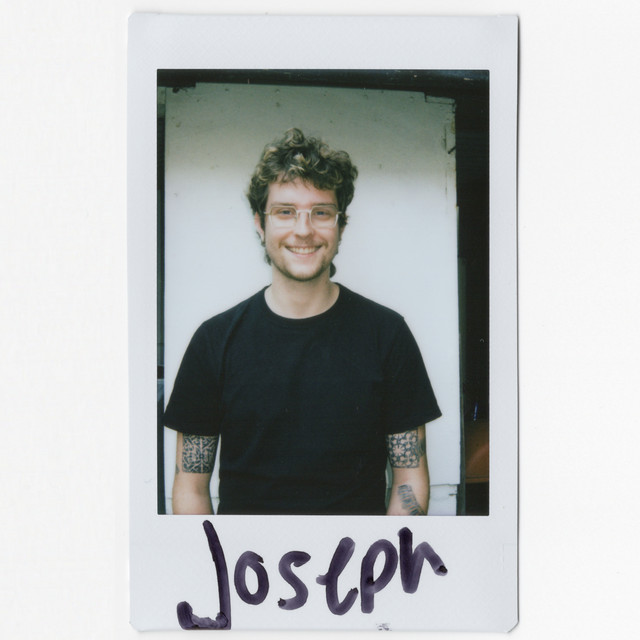
This week the lads talk the talk with Joseph Botica, a local shoemaker.
Transcript
Welcome back Hung up season 6 episode 3. My name is Matt. I’m Aiden. It’s nice to see you all again. I hope you’ve been very well. You are about to hear our episode with Joseph Bartika. Joseph is a art school trained Shoemaker.
You’re about to hear why he made that switch from showing in galleries to making shoes and now in fact studying fashion at UTS. And also some fun references to weird Brisbane bands, what it was like going to school there.
Aiden and Joseph will catch up and reminisce about the Gold Coast in Brisbane in general. That’s all for me. You can find Hung Up on Instagram at Hung Up dot AU. Please throw us a gorgeous follow and tell your friends and
leave us a review on Spotify or whatever. That helps the show a lot. Yeah, cool.
Here we are. We’re in. Welcome. Welcome to the episode. You literally just sat down and I handed you a glass of coke. So. We’re going to take a sip. Yeah, take a sip. Yeah. Can I do some ASMR? Oh yeah, that’ll be good. Please do, how sensitive? Is this it’s? It’s I want to hear. I wonder if I can hear the fizz.
I can hear the Schweppe of essence. These were just delivered. We got them from the 610 straight out of the coke truck. Like, literally. Yeah, off the back of the truck, so they’re as fresh as they’ll ever be. It’s. Great. But somehow they’re a little stale. I’m like, not that fizzy, but that’s OK. They’re not super fizzy, no.
OK, we’re sitting here with Joseph Bartika on the same day. We’re actually this is our first time we’ve been doing like proper batched episodes. We’ve had like a guest earlier today. Cool. So Joseph, why shoes? Why not gloves or hats or or belts? That’s and how would I answer that? It’s a really hard question to
answer because I feel like I realized I was making shoes like I was like oh fuck I’m a Shoemaker. Like I had that moment maybe like 2 years in I can give you my psychoanalytic obscure. Answer by all means that’s. More interesting. And I think that that’s the real answer. Fantastic.
So we’re getting straight into it. Yeah. So I went to the Queensland College of Art and studied fine art and I was sculpture, performance, contemporary art kind of leaning when I entered.
And then I did this elective and jewelry and small objects, and then I started getting really obsessed with engineering objects. I loved working with metal.
I’ve always been really interested in wearable objects. So by the middle of my degree, I was quite torn between really instantaneous digital performative contemporary art.
Yeah. And what that kind of looked like was I was obsessively making these self portraits where I would often be naked and I would really distort like my image digitally. I would, I love to like change the colour of my skin, like make me red or green.
And it was very post Internet queer Cyborg.
So that’s happening and it’s like a practice is forming. And then I just sort of start being obsessed with like this alchemical really hands on antiquated metal practice making things out of brass and copper and setting gems.
And and then I somewhere in the middle there, I started making shoes. I was making. This is the part that’s it’s really weird. This the, the spillover or the this the transfer.
But I’ll talk about a dream I had, so we’ll skip forward. I was making lots of shoes, mostly for performance works, almost costuming, experimental costuming.
For yourself to wear. Yep, sometimes I would be taking self portraits or making like self-portrait videos wearing them. I was making like gallery sofas that were wearing shoes. Love it. I was doing stuff like that and shoes definitely weren’t like
functional, like everyday objects at all at this point. But I got really excited because I was flying to Perth for the first time to see Bjork and I wanted to have a pair of shoes that I would just wear around in Perth. I felt like all cool people in Australia are going to be in
Perth for this Bjork concert because she was only paying for her. I felt like this is my time to arrive. I wanted to feel like really myself and show up with what I can offer.
And so I was I was like, I’m going to make a pair of shoes that I can wear and I was it was achievable. It wasn’t like I’d never made it like a proper properly. You know, I was pretty far along the shoe making process. I feel like I’m rambling, but basically just before I had finished these pair of shoes because it takes a couple of
days, you have to kind of leave things after you wet and molded them to like glue dry like dye or finishes dry. So I knew this day that I would be going to the studio and finishing the shoes. And I had and I had just started taking Prozac, and I was having crazy dreams.
Like, my dreams were like full movies. They had tone and like drama and suspense and it was just nuts. And this dream, I woke up from it feeling like, yeah, like I’ve, I’ve just watched an amazing movie, you know, when it
just feel quite riveted. And what happened in the dream was I was flying over this town. It’s like a rural town, and I was sort of telepathically communicating with some people. They were like, my friends, and I wanted to meet up with them in this park. And I was flying around, and they were like, OK, well, like, they were on the ground. We’ll walk and we’ll come like meet you.
And I was looking for a good place to land. But what was so visceral about this dream was how real it was. Like in terms of as I approached the ground, the velocity that I was moving out was really, really like apparent. And I just in this dream, I touched the ground in this park.
It was like a football field, but because I was going so fast, I was sort of skipping like, wow, couple of metres at a time. And I basically started hurdling across the park into traffic. So I jumped back and start flying around again. And eventually I sort of land beside the road and I grab onto this power pole and I really like have to grab it.
And it hurts to, you know, I felt the pain of stopping the inertia. And then I woke up and I just felt gagged. Like I felt, Yeah, like my brain had mutated a bit. Amazing. And I have a awesome psychotherapist. OK, Yeah. Cool.
Who’s really, like, old. She’s got to have one of those symbolic. Yeah, black inner life. Cool, Josh. And she was like, basically looked at me like, she was like, you finally figured it out. And she was like, you’ve been you, like I, I want to do it
justice. The way she said it. She’s something like you finally landed like you’ve been making shoes as this way of trying to achieve a groundedness and the dream sort of like almost like a sign that I had found like it wasn’t an easy process or it didn’t feel particularly safe
this landing, this grounding, but I achieved it. Wow, that’s. Beautiful. And then in retrospect, when I look at these self portraits that I mentioned earlier, yeah, that were really post Internet
always myself, I think I I have a massive archive of them. I made them from the age of like 18 to 22. Wow. And I think I probably made around 50. Wow.
And when I look at them now, there’s like this really dramatic, like it’s using sort of the post Internet aesthetic and value system. And but I’m using it in a way where I’m, I am fantasizing about escaping my body. There’s like this like digital escape.
It’s like, and I think that that’s like a queer future fantasy sort of thing. Yeah.
That I and I was constantly imagining myself through the Internet through algorithms through yeah this sort of post humanism like being more than my body. And then the shoe make practice, I think was like this material.
It was like this. Let’s come back to physicality and and try and try and find some sort of acceptance of like being a human. Yeah, so beautiful. That’s so. Great, isn’t that’s the best
answer to a two word question I’ve ever answered my life it. Has to be. Thank you, it’s awesome. And how was Bjork? Really good, yeah. I just knew. I knew I needed to go. It was, I knew it was going to be the last one of the last of her Cornucopia tour. And Utopia is the album which
the Cornucopia tour is of is like my favorite album ever. Wow, cool. How did you feel standing there in your own shoes that you had made in in public? Like I don’t remember. Good answer.
Yeah, at least he’s not as focused it. Was more of the the process of. Of making them, yeah. I did. I really liked how I looked in them as well. I still wear them. Wow, beautiful. And they’re like so embarrassing to wear. Around, yeah, they look. Like shit. What are the?
Shoes. They’re like a black back zip boot that comes like halfway up my car. They’re made from like this sheepskin that cracked while I was wet moulding it. They like, I couldn’t make them again. I would. I don’t know how interesting. Yeah, they look just kind of
like a black sock sort of shoe. That’s amazing. Yeah. I mean, I am obsessed with shoes just from like the sort of fashion lens of like like they’re so they’re such a powerful like part of the outfit and like I just feel like like I’d. So I do shoot a lot of fashion stuff like and for me the shoes
is the hardest one to style like for someone because I feel like they kind of they’re such a close fit to the body. Like a pair of jeans can be in or out and you know, like AT shirt can really be 5 sizes too big, but you can immediately tell when someone’s wearing the wrong size even by half. Yes. So yeah, such a fascinating
thing. And like, I just just speaking about that reminded me of like the way that Alex Higgins does shoes like for his runways, where like, for example, I think he didn’t get a sponsor one year or he got like Vans, who like, which is a hilarious match. And it’s just like, OK, well, half of these people are going to be bare feet. Yeah. So I’m like, I love that. Like, yeah. And then I started shooting
people bare feet because I saw that I was like, yeah, fucking. I just think that’s like an amazing way to do shoes, like as part of the yeah component. Yeah, absolutely. Runway and shoes especially, it’s sort of like at a merging or even just like an Australian sort of level where there’s not
many shoemakers around. It’s it’s an interesting one. But I, I, I was just in Melbourne for a weekend last weekend and I heard that I, is it the TAFE or some one of the big unis there has subsidized the shoe making course because it was like it was dying out and no one was doing it. And so now it’s like 1200 bucks for a whole year plus you pay
for your supplies. But everyone’s making shoes there. But I do, I feel like people are like, I feel like there’s been this big thing of shoes in the last like 5 or 10 years. Have you noticed that? Like is that am I tripping? Like local shoes? You mean? Yeah, sorry, local people, like small, like people making shoes, like all of a sudden, I don’t
know. It has this I was reading your, I think it was demure interview. And it’s interesting, like shoes like from a distance seem to have maybe like one of the highest barriers of entry. It’s like, Oh, I could make pants, I could make AT shirt or I could like be somewhere along the process, like Matt, you’re like, you know, I’m going to design a shirt and have a friend create them.
But like seemingly it’s like shoes, like no shoes just come from, you know, somewhere else and you don’t get to. And I really like that part of that interview when you were like, I I want to, I’ve got this like dogged drive to like work out how to do this. And then you were like, I mean, I’m sure there was a lot of work involved, but then you’re like, hey, this isn’t so hard. Like it’s material, like anything else. Yeah, there’s not really a
question there. But to your original question, like yeah, have you noticed that local Australian? I don’t know if I’ve been around for long enough to notice, to be honest. Yeah. I always feel, at least in Sydney, I know when I look online in Melbourne, it even seems like there’s more choices.
Like I was trying to buy a pair of loafers and I was like, OK, I’ve got like 3 places I can go. I can go to like Maple or Inku or whatever. And I was like, fuck, every place has like the same three brands and all those brands like the safest styles. It’s like you can get a Subargo loafer and you get the Dan like black or burgundy or whatever. And so it actually took me like a month to choose and I ended up
getting this pair that I love from like Spain and they’re awesome. But I always felt like really mad that like if I want a cool pair of shoes, like it’s like Sydney in some ways won’t let me. I mean, I’m sure you can if you’re willing to spend. At a certain point. But it feels like sometimes the selection in the mainstream is just like so frustrating when
especially. If a menswear. Especially if a menswear or if you want a cool style, you have to sacrifice like any quality or not any quality. But like, you know, I was like, OK, cool, these fucking salomons are sweet like a few years ago and then they just busted apart after like a. Year. Yeah, yeah, yeah. I totally feel like that was
something that probably brought the idea of shoe making into my head was wanting like actually just wanting a bit more of control of what type of shoes I was able to access because yeah, it’s it’s limited, but also they’re just a certain types of shoes that I want that don’t seem to exist.
Yes. Yeah, me. Too, and it’s all about the finest of details with shoes I’ve found. It’s so interesting, like I I find the tiniest height of heel or even the edge of a sole.
The finish of leather it there is like endless, you know, like and these things before I had any sort of skills in shoe making, I was really already so attuned too nice. And yeah, and there I felt like yeah, definitely in menswear.
There need. There needed to be more. Yeah, that’s for sure diversity. So, so the, the way you’re making shoes right now is, is per person like you’re doing orders, right? Yeah. How does that, how does that work? Like is that your your thing? Like right now is the main way you’re like producing shoes. It’s just exclusively for other people. Yeah. So I’m just making to order. It’s sort of is just an
Instagram thing at the moment. Yeah, I probably twice a year just kind of put on my socials that I’m, if anyone wants to Commission me, I’m like doing a batch. Cool. And yeah, I take things on and I
sort of slowly get them done. I’m in. It takes a long time to gather material. That’s kind of the phase I’m in right now is. That the the hard part you would say. I think just maybe it’s a more of a financial process the the difficulty there because a lot of these materials you have to
buy in really large quantities. Yes, yes. So it is this tricky thing of taking orders on and giving the client a time frame, countering in maybe I won’t be able to afford a whole $500 hide, you know what I mean?
Like it’s like a balancing act. It’s balancing because. You have to buy like a whole animal at a time. Yes, and also like a whole sheet of rubber which is like, you know like right, they don’t make. For the soles. Yeah, right. Cool. What’s the? Smallest animal you could make a shoe out of. Just having an idea for you. Like a kangaroo, probably.
Yeah. A wallaby. Oh, you could make like. Tortoise. Do you guys know Woodford Folk Festival? Yeah, I went, I used to go every year when I was based in Queensland and there was this lady called Heidi’s Hides and she was iconic. She did all of these hands.
She had a pygmy goat farm and she, she was farming like these goat hides and they were so abject and terrifying. It was like, not nice at, but like, but so nice. Yeah. Like really coarse, wiry goat
hides. Yeah, yeah. That were really sort of the the this actual leather was papery and like sort of like crusty and the hides were like the hair was really long. But like quite thick leather or. Was it? No, really. Thin. Thin, yeah. Anemic leather? Yeah, she’s just reading them
like 1 corn, 1 corn, 1 corn. What is it called? Corn. Colonel, Colonel. Oh, that’s funny. Queensland is funny. I’m from Queensland as well. Kind of cool. I grew up there. I grew up on the Gold Coast. Oh no. How was your Brisbane art school experience? I don’t think we’ve had anyone who went there. You’re the first.
I think you’re the. First, yeah, Brisbane people love to not come to Sydney. They’ll have to go to Melbourne. Yes, yes, famously, yeah. But skip the middleman, skip the middleman, skip my voice, wondering whether it’s like whether I’m still making my way down because I grew up in Gladstone. So that’s like 7 hours NA drive
to Brisbane. And then I moved down for uni. But Brisbane art scene, so amazing. Yeah, it’s got this incredible tight knit sort of ecology and it’s struggling right now because there’s just no money. It’s really quiet, like. So not enough like spaces maybe
to show in. Yeah, yeah, I think that it’s probably I’m, I’d probably just blame like the government cutting, like just funding. That seems fair. Yeah, I it’s and yeah, so there’s not really any emerging, many emerging spaces anymore. But the when thing.
But what that means, especially now when openings or spaces or events are happening the turnouts is so. Strong, that’s cool. So yeah, what was the art school sort of life like there? Because we’ve heard a lot of times about the local Sydney thing here, but yeah, we’d love
to hear. So Queensland College of Art is sort of like the more traditional art school of Brisbane and it’s very separated by faculty. So there’s like 6 majors. There was sculpture, painting,
drawing, print, photography. Yeah. And I was and jewelry and small objects. So I’ve majored in sculpture and drawing small objects. But sculpture was sort of like the freaky the wacky school. Yeah, seems to be quite common. Yeah.
Yeah, sculpture room was like the creepy ones. Yeah, yeah, true. And a lot of the staff who were running sculpture were from Sydney originally. So the convener, the head of sculpture was Justin Williams. And then my sort of my teacher was David M Thomas and they both
I think met at SCA in the 90s, I want to say.
And the vibe that was just great. Like I met my friend Sarin, who I collaborate with and I collaborated with really vigorously throughout art school and, and just out of art school. We, we kind of were a joint
force in terms of my like contemporary art practice. That was, you know, we grew up together and we worked together. It was like a, a joint force. And the Ng was just so fun. We were doing freaky shit. We’d be getting egged on by our freaky teachers who were just like, no matter what you try and
pull off, weirdest shit was happening in SCA at the night. And he was like just baiting us to be freaky. I remember this one time and it was this like there was a couple of students that we’re like doing a double degree with like education or something and they would do sculpture because you, it was like a blood subject basically.
And that’s my sculpture there. Yeah. Well, yeah, school. For the blood subject, what I’m doing. So this student had made this work for the crit. It was like a final assessment. And she basically just taped a big piece of paper to the ground
and brought some art supplies. And it was kind and, and she put her little iPad in the in on the wall and you could play a song and like, make art together, like. Genius. It’s like a genius. Yeah, I love it. It’s fucking. Social Practice. And it was the out of everyone.
It was just like the crew that she had opened up that floor to. She, I don’t think she knew what she was getting herself into. And my friend Sarah and did this thing where she sort of pretended to drink a lot of paint and vomited onto the the paper and like it, it’s a it’s a moment I always remember because
I was looking at David, who’s like, you know, got all the health and safety responsibility there. And you could tell he was completely freaking out, but also so in awe. He. Finally, the kids. Just like we, yeah. Literally. Finally, something interesting. I know it’s such a sad thing sometimes when I hear about like, for, you know, the whole world.
It’s all more corporatized and institutionalized and safer. And then they have these memories that like when I was a kid, like we would throw ATV out the window. But like, yes, isn’t that cool? But you can’t do that anymore. It’s just funny, yeah. Because it’s just, you know, I mean, art education, it can be very beautiful, but it is always at odds. Yeah. I might even argue like, I’m a teacher and a lot of like,
education is at odds with the institution. Like if you have this like wonderful ideal of what it means to participate in education and how free and beautiful and cross sort of media it could be. But yeah, it’s funny as there’s always that tension there, like with modern institutional art
education where it’s like, you know, now we have, I forget what it’s called. It’s like professional practice. Now we have professional practice performance artists, which is like, yeah, yes, we do need that. I suppose. Like you can’t live in like this land where no artist ever gets paid for there. So you do need to do that. And like, but it’s always in this tension with yeah, like freaky weird stuff.
Yes. And I think, I think we have a reasonable balance, like, I think. But like when I finished my English degree, I was like, huh, So I like, don’t know how to get any job. Like, because it was kind of pure, like I studied, like you said. And that’s what I thought I wanted. Yeah, which is what I did want. But then afterwards when I was like fucking working in kitchens, I was like, it’d be cool if I could use all this
brains for a bit of money, like. Yeah, yeah. So. Yeah, I don’t know. It’s interesting, but I think there will always be that tension. And it’s about like, students and teachers working to create, yeah, something beautiful within. The yeah, the limits of yeah, yeah for sure and David my like sculpture like teacher over my
sort of second last my final year. He, it was mostly he made space for just really abstract exploration. But then it did kind of connect. Like he basically just booked us in to open as a like, she was like, you guys have to play a gig with us.
He’s in this band called Egg Vein. OK. And the lead singer is Archie Moore. How do you spell that? Egg vein, it’s got a bunch of it’s it’s egg vein, but you look it up, it has like a sig, it has like a Sigma and then like the logarithm vein. Yeah, it’s.
But yeah, the lead singer is Archie Moore, who just won the Golden Light and the Venice Bitten all and he but he wears a wig and he just like screams, So no one knows that it’s him. Nice. And yeah, David was like, Yep, you guys are gonna play a gig for us. And then we started gigging. We started this band called
Emma, Sarah and Joe World. Cool. So it kind of did translate into like he tried to, he did a pretty good job of, of getting it out of the school. Yeah, I love that. I think, yeah, I did a a few poetry units. I did like the first poetry unit at UCID that was available to undergrad because I think mostly
it’s just like undergrad writing is so painful that like no one wants to teach it. So it’s like come back when you’ve got your masters and you’re serious. You know what I mean? Yeah. And I, I just wanted so badly to like, go and have a beer with my class, like as a class and like my teacher because I was like, there’s something just. We all feel it like this kind
of, yeah, just like it’s official feeling. It’s like we’re talking about like our deepest feelings, but we’re in a fucking old classroom, you know what I mean? They’re just stuffy. I was like, yeah literally if we took this exact same class and we were at the pub, I swear to you bro, true. Like this would be so much. Better. Yeah, absolutely.
Absolutely that your teachers were open to a bit of that. Yeah, that’s, that sounds amazing having yeah, I, I feel like, like all of the people that we know who are like really in love with their teachers in that way that the teachers have shown them like, yeah, like this side that where it’s like, yes, we are in school now and you do have to do this work, but like, that’s not it. And yeah, there’s just like,
what is the real part is actually going to happen after school? Yeah, that’s cool. Yeah. And like, I think also the scale, like Scotch being a smaller cohort, it’s like, let’s all, we’re going to be doing this for two years. Let’s all become friends. Like let’s like actually hang out. That’s fantastic. Which is another thing about Brisbane, because there’s not so
many people in the community. You’ve, you’re hanging out with people 30 years older than you. And when I first moved to Sydney, David moved down as well and he had a residency at art space. So he’s hanging out a lot with him and his friends and he’s like 50. And I was like, cool. Like, you know, I’ve kind of got
lots of young friends at uni like that are kind of early 20s and I’ve got lots of friends who are like mid late career artists. And it’ll all sort of like fill out or know everyone. And it’s like, no, I like, you know, like I will only begin to dip my toe into the 20 year old in Sydney. You know, it’s so hard to like
and everyone kind of is segregated, not just because of the sheer amount of people. True. So somebody really love about Brisbane, Yeah. Yeah, yeah, that’s funny. I remember like a bunch of my friends stayed in the Gold Coast and they were just like Sydney’s way too. It’s too much, bro. It’s too much. And then you live here long enough and you’re like, it feels tiny. But yeah, that’s an interesting insight.
There was something I maybe you guys can help me work this out. I’ve got like 1/2 formed thought about shoes and embodiment. It’s interesting, like shoes like I was thinking about like, yeah, your body like changing size, growing and and maybe shrinking and like this outfit doesn’t fit you anymore, but like your shoe size never really changes.
Yeah. So I guess there’s like something like there’s something that I like about that. It’s like my favorite pair of shoes will always like be there for me. Yeah, yeah. I don’t know. And shoes have maybe a bit of a sense of longevity there. Like, at least traditionally, it’s like you’re not really, like, for a lot of the world,
for a long time, it was kind of like you had one good pair of shoes. Yes, until you couldn’t keep them going, you know? Yeah, Yeah. I love that idea where it’s clothing. I think just functionally, you know, you can’t have one outfit. Yes, yeah, yeah. And then even then they they, they sort of tried. They did try, but you know, you
would have like all these like cool, sort of it’s almost like a folk like history of repairs and stuff like yeah, which I love those actually. I really that’s the one thing that I really love about like the old world of fashion was like it was more it was less about that top down fashion, but just people like with repairs being like a really obvious,
like a really common thing to see. Like repairs often unfortunately have this kind of funny like arts and Craftsy like yeah thing now, like, you know, the like sashiko jeans or whatever. Like I always see those posts on on like Instagram or Reddit and fucking Pew because it’s like it could be so cool and simple, but you did this other thing like
that. Just I find really like it doesn’t sit with me quite comfortably. Yeah, it’s like I’ve been I’ve been thinking about like wear on clothes a lot. And then lo and behold, I think Prada and Mew Mew did like all these kind of worn clothes. This was like the one of the most recent, like runaway shows. And everything was like, it’s like you rubbed through one
layer and you can see the sort of dust has settled on it. And it’s like, that’s so cool. But it’s like a $7000 jacket. And it’s like the jeans that are stone washed and like, you know, sort of crumpled up at the factory. Yeah. What do you think about wear and and, you know, along those lines? It’s kind of almost relating to my obsession before I was a
Shoemaker with shoes, and finding shoes that I like felt like I really wanted. It was almost like one of the things that really offended me about shopping for shoes is that they weren’t worn already. Right, right. We were just talking about it. Yeah. It seems just like shoes look way better once they’re really
worn. In yeah, not. 100% agrees. Yeah. And then like brands like, yeah, gorgeous, gorgeous Loafa, like brands like Weedy are like old time. They’ve been around for decades,
but now they’re doing things like throw like, you know, they like throw their shoes at the wall before they package them. Up, you know. And it’s like, this is really it’s, it’s really weird. It’s kind of stupid. But also it is what is happening. Yes, yes, I mean it also takes so long to get beautiful organic
wear in like a nice pair of. Shoes that’s gonna take. That’s true. Minus still I’ve had them for what, 6 months? Yeah, wear them 3, three times a week and they still look box fresh. Yeah. He saw me so these I’ve got the pair of I’ve got a loafer on the table for the audience who are not here. And he saw me like put these on with some jeans and he’s like, when can I wear mine? And I was like, just start wearing.
You know, I was like, when can I wear them with AT shirt? Like, yeah, just a little too. Yeah. You know, absolutely. Start today.
I mean, I did walk them when I just bought them. I put them on for like 20 minutes and I got 2 blisters. And then I was like, you know what, Fuck this. And I was in Melbourne and I met up with a friend and we just walked the entire river. I was just like, I’m breaking these in one way. Yeah, yeah. And now they’re so true. That’s all it took. And they’re the most comfortable shoes I have ever. Amazing. Fucking Wand.
They’re so cool and they’re getting such a beautiful life and history with me. I’m so excited. Yeah, I was thinking about my first pair of shoes that I got, like my first pair of shoes that like felt like me. It was a little pair of ballet. They were like a brown leather with like a little hard toe cap. It’s like the sort of distressed
leather and then a little toe cap of like, I don’t know what you would call that. It’s like a it was kind of like a plasticky. I mean, it was leather, but it was like a different texture. And I remember, yeah, like a patent leather toe cap. And they had, it was the first time I’d seen a pair of shoes with like nailed, like a nailed heel. And I got them for 7 bucks at a Vinnies. I remember my friend, Yeah, my,
they were, they were beautiful. And my friend, like bought them for me. And then there was this kind of like deep envy because like, I like paid for those because I was like, can you spot these for me? And they just were so beautiful. And they were just, yeah, they’d already been worn. They’d already had a whole lifetime. I was like, how can I get a shoe that’s beautiful for $7.00? And I’d, like lent it to another
friend who took them to Greece. He’s like, can I wear the Balleys to Greece? They had all these lifetimes, and I don’t have them anymore, but it’s very exciting. Yeah. Like Ashmore, Gold Coast Vinnies. Yeah, yeah. Yeah. I mean, I just got these resold and they look completely different. They were getting all like rolled up and nasty, and I was
literally slipping over on them. And then, yeah, I took them to this place and they did a really good job. And I was like, wait, you can keep these going. I didn’t look after them well enough to do the 10 years, but they’re five years old now and like, yeah, so it’s. So is that what you’re doing? You’re doing like, how? I’d actually love to know just for me maybe about the construction of your shoes, Like how are you constructing them?
I am doing like it’s called cement construction which basically means it’s just glued. It’s the. So that you don’t have to have a big machine. Yeah. So I basically just don’t have access to like a Goodyear Welt to Goodyear Welt my issues. Good. You want to explain?
Yeah, and I would say Iron Williams vibe, it’s a way of completely stitching everything together. So glue’s there just to hold it in place until everything gets stitched together. It’s and it’s like the traditionally superior of the. Shoot Docks online.
Yeah, I think this is. Is that? Yeah. And then there’s sort of like various methods between the cemented sort of construction, which is like low end and then Goodyear, which is high end. Got it. The deal here is when it it the low end of handmade shoes are a little bit too expensive for the
average buyer anyway. So, right. The thing with the Goodyear world is just like I was looking at shoemakers around and the artisan, obsessive, antique, antiquated sort of Shoemaker is kind of just making shoes for
really, really rich people. Got it. And but is that in all the finishings and the trappings and the leather that they use or is it just because they have the machinery and the process? Is that expensive? Like could if I gave you one of those beautiful old Adlers or a Singer thing or whatever, you know, that way you could do a Goodyear. Well, could you charge, you
know? Yeah, I I think that if I had access to like the machinery, but yeah, I can’t even see how that would be possible because that’s like you would need factory. This machine is so large, it comes it’s it’s inherently tied to almost real estate.
You know you need you need to how? Big is this room size well well. Maybe big and heavy, you know, so like even like a finishing machine. I’m, I’ve won a finishing machine so badly. What? Is it? What is it you? Kind of probably have seen them in a shoe repair store. They’re a big box. They’re like maybe like 5 foot tall, yes.
And they’re like maybe like almost this size. Size of like 2 fridges laid on there. And there’s just a bunch of circular like sanding belts and brushes. Got it. But you base I I’m pretty sure you actually need like a small crane to to move them because they’re. So heavy you can’t do that stuff, but like, how did they do
it before the industrial revolution? All by hand. And that’s kind of what I, what I do, right? I have a little belt sand off. But yeah, I I do things by hand. I wish we’d asked you to bring in a pair of your shoes. Yeah, that’s the other weird
thing about my business is that I am so disorganized that I never have any shoes like. So funny. Yeah, yeah. Yeah, and I’ve really struggled to make shoes for myself. Yeah. It’s actually like on my list right now because I just have. My method has changed quite a bit and I’ve I’ve I have been getting really good reviews from my clients, but I haven’t worn
this shoe that I’m making. You know this new recipe? I see you haven’t even tried it out. Yeah, because I also have a large feat, so it’s not like like I never get clients that I could actually try on the shoes that I’m making. Yeah, yeah, yeah, yeah. That’s so funny. Yeah. That’s what they say. The thing is, what is it? The the Cobblers? Children go uncharted.
You know that one. Yeah, yeah, or like the Arthritech’s house. Yeah, yeah. I don’t know time, but you guys like we’ve got too many clients lining up. It’s such a beautiful, what a beautiful industry and part of this whole thing. Yeah, that’s so cool. Yeah, it makes me want to get into it. I’ve been saying like I want to know how to make a pair of jeans or like, yeah, shoes. Yeah, no, you. Definitely should, yeah.
And so you’re also showing these like in galleries and as part of performances still like is that do you could think of those like different practices or? I think I am no longer making contemporary art. Yeah, boom.
Damn. Record. Scratch record. Scratch I I had a show last year at a little community gallery in Brisbane and I showed a series of ceramic boots. Yeah, I saw those Ghost March. Yes, that was beautiful. That was. Beautiful. That seems to be a good little
commercial practice that I will keep. On doing people like I think that I it’s it is it’s like very commercial I think, but I think that a ceramic pair of boots in the house is. Very chic. Those are boots of the house. Those are so those are, you know. You gotta make a buck. Yeah, that’s something beautiful.
But the ceramic? Shoes especially like this porcelain thing I was doing last year and you know, and for me, I think about like a crystalline shoe and then like this sort of like ghost that’s oh. It’s like wearing them. Oh no, Cinderella doesn’t necessarily have like crystal shoes, does she are? They glass, glass, glass, glass,
glass. Slipper. Yeah. Oh, there you. Go yeah, but yeah, no, I think I am on I can feel that I probably will take a big break from contemporary art. I I had an interesting time doing my honours in fine art in
2024 just trying to navigate how to.
I think that probably it’s not really having anything to say when I’m seeing a lot of other artists that have really important experiences to share. And I think the contemporary art wasn’t working for me because I felt yeah, like I I felt this
imposter syndrome on my meals like taking up space. But I think it’s because there’s so little money in contemporary art right now. It’s something that with this. Limited resources. Yeah, the limited resources, the late stage capitalism is just like I was.
Yeah. And then I, I was struggling with that, not really sure what my future would look like. I definitely like, I just don’t think I would be very good working in an institution. And then in the meantime, I was making money making shoes. So it’s like, I think that I might just be a fashion designer now.
Sounds like fun. Sounds like more fun. Well, it just contemporary art’s very in my head. It’s very complex. There’s all of these, this politics and power structures and da, da, da, and it kind of exhausts me a little bit, but then people are willing to pay me to make shoes for them to wear and it’s so simple.
Yeah, before they’ve even seen the artwork. As it was, yeah, yeah, yeah. It just it, there’s nothing about it that is complex. So just like I guess this is what I’m going to go ahead with. I think like, like maybe I’m going to push back on you a little bit, not having actually
seen yours in the flesh, but you’re not having to say anything complex about the shoes. But I think there’s a lot of complexity in in physical objects, especially something that you’re like in a. Yeah, and. Like maybe that’s like such a beautiful relief, especially like we didn’t. I like, I did kind of go to art school. I went to like music school, but we never had as much of the theory component in the sense of like, what are you trying to
say? And like, why should you? Why should you be saying, you know, like all the theory stuff? I didn’t really. But I see that. I see a lot of people finishing like say SCA like exhausted by having to explain themselves. Yeah. But it sounds so freeing not to have to be like, well, the theoretical underpinnings of the fucking lace like. Yeah, yeah, the I hold. You know, like, yeah, that
sounds really relieving and and beautiful. Yeah, that that really is it. It’s like your positionality and that is becoming so crucial in contemporary art. And I think that Right, true. I yeah, I, I struggled with it.
It’s that’s that is a because I was a big contemporary art person for a long time. Yeah, that’s something that I’m currently sort of. Yeah, cool. Letting unfold. Yeah, I love it. I think it’s totally like it’s, it sounds great. Yeah, yeah. And I’m at fashion school for the first time ever this summer. I’m in my second week of honors
at UTS. Fantastic. And it is great. I’m loving it. Cool. Yeah, very nice. Making stuff sounds so fun. Yeah. So it’s quite a great thing to call. UTS fashion, Yeah, Cool. Yeah, yeah, really cool things. Cool. So it’s like, what are you doing? Is it quite a practical? Of course it’s jam packed. The 1st 8 weeks you’re writing a
dissertation, it’s like 6000 words, OK? So there’s some theory. Yeah, yeah. Can’t escape the. Theory. But at least it’s like over 8 weeks, they’ve kind of like forced you to just start and finish it and then you start making this collection. So for the rest of the year you’re making a collection of 6. Looks cool.
Yeah. Wow. Sick. And it’s really integrated into industry. There’s lots of sponsorships, these companies that are wanting to sponsor you to so because they value you as an emerging designer to sort of like,
there’s wool companies, there’s like, I think 2 sponsorships from wool companies. And they’re really like, wool is the future and we need you to show us how wool fits into the future. Yeah. I mean, I got my first wool socks. They’re incredible. Yeah, I’m mad about wool. I’m constantly banging on about wool.
I love it. Yeah, yeah. I’m feel like I would be so down for it, but I’m, I’m allergic to wool. Oh no, that’s really sad. Well, maybe I need to explore it more. But yeah, wool jumpers give me like, eczema. Yeah, right. I mean, there are there’s more about cash media like you know, have you what everyone? Yeah, I should experiment more. Yeah, you should try.
Yeah, that’s cool. Ask for a little, you know, swatches from the world. I’m sure they’d love to send you some. Well, I’m probably going to gun it for one of these wool sponsorships, yeah. I’ll have to make peace for that. Yeah. Yeah, totally. Yeah. That sounds cool. The the gluten free chef who’s a Baker. Yeah, I know someone. Who? Yeah, yeah. Yeah, I know two people actually
who are. Yeah, I know. You know a whole world of. Gluten free bakers. I’m a musician, but I’m dead. I can’t listen to music. Yeah, it’s not that cool. It’s like, yeah, no, it’s let’s let it, let’s let it rise. Do you want me to RIP one more time on that? No.
That’s cool. I’m really, it’s really interesting to hear that. I took like a big break from art for like, I don’t know, nine months, like contemporary art, quote, UN quote. But I didn’t have a problem with that. I was like, yeah, whatever, I don’t need to go see all these shows or all these artwork. It’s like, OK, now I’m listening to music or reading poems or thinking more about shoes or cooking, like all sort of ebbs
and flows. And they’re not so different. I mean the practical, the career stuff that kind of sounds like where you’re coming from, like the career where your career has to go if you want to be a contemporary artist. It has to be quite specific if you don’t want to be on struggle St. forever. And I’m yeah, that’s really cool. And then it’s like there’s all
these like, I guess like theoretical implications that rise up from saying, hey, I’m no longer making contemporary art, but I’m someone with contemporary art education who’s making these shoes. Like you could still argue like they’re it’s still art like. Of course it’s still art. Yeah. But it’s this so much being said
about like how you position yourself, what you think about what you’re. Making, Yeah. It’s interesting. That’s what I. Love about fashion, like is that like you you like I was just trying to get at that earlier. It’s like you can have all of these things behind like whatever outfit like these. These are just survivors. They’re not very like contemporary like fashion in that same way as like whatever
Margiela or something. But you can have all these amazing influences go into something, but then they’re just, they kind of come off as like a whisper when you see them, like just walk past on the street. But there’s, they’re there still. And it’s just, it’s such an amazing like collection of, of thoughts and energies that I just, you don’t have to say like you never have to say like this T-shirt was whatever.
Totally, Yeah. And I think I was talking to someone recently who’s like, super fashion and works at some, like, crazy boutique. But it’s like, oh, I’d be too scared to go to this art gallery. It’s interesting how they relate. It’s like, but I’m like, you’re so fashionable. But then sometimes the fashion kids are like, scared of the contemporary. Art. But then you. Know the contemporary art Kids are always very interested in fashion.
It’s, you know, it’s, yeah, there. There’s funny relationship between those two worlds here. Yeah, there there’s especially coming from like I took a year off in between, but I’ve done my honours in fine art and now I’m doing my honours in fashion and textiles. They’re just slight cultural differences. It’s just really interesting to me.
That’s do you want to unpack that a little bit? Just curious to know. Everything is first of my first take is like people in fashion. There’s a little bit more of just a straightforward vibe there then in I find in art
school there especially like with an education, there’s this like anti hierarchical fluid like accessible.
There’s probably better words to use, but like almost like this nonlinear curriculum and everything becomes a little bit hard to read socially. Social cues and stuff I have I
really struggle with like the quiet, softly spoken, sort of deadpan arts worker tone. And we’re going to circle back, but. You’re so good at. It and we really will. I’ll keep an eye on that. You know, I really struggle with that. Haunting. It freaked. Me out and I remember kind of one of my first times working
with a fashion designer and he said do you know how you sound right now? And that’s just so. Good. And I was like, I’m so glad you just. Been so good. Yeah, I remember. Yeah. So good. Refreshing. Going to visit you on set or something and be like, what the hell? Like this is so cool. Like, yeah. Because the same thing.
It’s really You saw me on set. All these like smart fucking art people. But it’s a bit true. There’s the restraint. And then like, you know, it’s like, whoa, you’re like, yo, and I’m like everyone’s so beautiful and like saying, hey, what’s up? Yeah. I think, I wonder if it has a little bit more to do with that commercial side where you need to be a bit more like peppy and
like good at networking. We’re good at having. Drinks like a. Little more than contemporary art. True. Because yeah, I mean, come on. True, yeah. But yeah, first day at fashion school, I felt like I, I was on like the first episode of like RuPaul’s Drag Race. Like it was very like there was everyone wrong hierarchy there
was. Everyone get in a row. No one was pretending that they weren’t in competition with one another. Yeah, everyone’s looking. To the side. Can we start? Because yeah, like the shade was completely like walk to the surface, you know, whereas everything is bubbling and nice, progressive and freaky to me. Yeah, like.
Because we’re doing it either way, So come on. Yeah, it’s. Just like that’s funny. Let’s just let it out. That’s probably just different, not better or worse. Sure. And I’m gonna acknowledge because I’m being a bit of a contemporary art header right now. Like I’m just like having my like breakup moment and I’ll we’ll get back together. But yeah, no, it’s really great
to catch you right at the most bitter. Yeah, yeah. I’m just leaning into just kind of being a bit exhausted. By the moment. Do it. It’s exhausting. I don’t think anyone should have to stick with the same thing forever. Yeah, yeah. Keep rolling. Yeah, yes, don’t make me read the quote again. We did that last. Episode Yeah, beautiful quote from the last.
Episode. It might actually apply in every yes, in everything. What’s the quote? All right, I’ll read it again. Come on. Come on. This is the second episode in a row. Not like, but it’s the second time. That’s fine, the listeners haven’t had it for a week or two. It would be 3 weeks by my estimation. So this is a quote. It’s just funny reading together
from Ursula Le Guin. Do you know her? The the She’s like a fantasy and science fiction author. I. Don’t know, she also wrote. A lot about like writing fiction. She’s a really cool person. She wrote this probably in like the 70s, and I think it’s the the voice of a character, like a wise character in like this fantasy novel, what goes too
long unchanged destroys itself. The forest is forever because it dies and dies, and so it lives. Yeah. I love her so much. I’ll just keep read that at the beginning of every episode. Got it out the way now. Yeah. Isn’t that cool? I’ve been thinking about that a lot because I have been. This is just a little glimpse into my world I’ve been sort of
trying to grapple with. So Speaking of those machines, you know, I, I also like do a bit of. So I do like alterations and repairs and stuff and collecting and repairing these old Singer machines gives me the strong. And like a lot of things in my life are like this. Like I’ve got an old camera gives me the strongest, like resonating like sort of worry and sadness that like that old
way of making things that would last like this one of them is from the 1930s. Like that would last 100 years. Like that’s going. And like, I’ve sort of been trying to reckon with the fact that like, we probably will never really make things that are just domestically available that will last for 100 years ever again unless I don’t know. Yeah. And I’ve just been sort of, I’ve
been walking around a lot and like, that’s, that’s my like, main pet thing is like, I joke that I’m like, I want to get a bell that just says they don’t make them Like they used to ring that bell. But yeah, I’m, I’m sort of, I’m grappling with that and sort of trying to come to terms with that fact. Yeah. You know, things are so like expendable now.
I’m like, yeah, I don’t know. Yeah, it’s interesting, especially in shoe making because of that machinery that sort of came about of the 20th century. You know, things just got more and more automated. Yes, entry level shoe making setup is kind of has to be gear
that’s 100 years. Old. Yeah, yeah, yeah. That was the last time that they were producing machines that were like on that handmade level. Yeah. So my boot patcher machine, which is just sort of like my big heavy duty 1 is I think from the 40s, amazing.
And they are so commonly still bought and sold. Yeah. Because they’re like, I see them online. Yeah. They’re like the the one that, you know, they still you still need them. What? Is it out of curiosity? 29 K is the right a singer? Yeah, Singer 29K. With like the IT doesn’t have a
bed. It’s got like the. Sort of, yeah. It’s got a really. No, it’s, it’s a, it’s a, so it’s horizontal, but it’s very, very small. And then this, this the actual direction of the machine, the sewing, you can completely change it. Wow, there’s like this lever, you can turn it. So you could basically sew in a
circle I see without moving the material. That’s amazing. Yeah, Yeah, I get you. Yeah, yeah. Which is really good for like sewing into a boot like sewing a zipper like. Into the toe or whatever. Yeah, yeah. Cool. Yeah. I mean that stuff, it’s just, it’s just like and like, yeah, what did you say? 1940s or something like. Yeah, I’d have to check that. Yeah, it probably is.
It probably is, Yeah. And like, yeah, it’s just, it’s this funny tragedy that I’m just walking around with that I’ve just given to myself. Yeah. Because like. I’m like. What comes after? That’s what I’m. Wondering. Yeah, I’m wondering that too. Yeah. I mean, it’s like I heard someone. I feel like this might have just been like a radio segment or something.
I don’t know where I pick this up, but it was people talking about like, you know, they were going like, yeah, yeah, you can say back in my day, we just used to play out on the street all day. But like, that was really dangerous. And like, I’m glad that my kids, like, I know she’s in her bed on Instagram and, you know, and she’s not running in front of cars and stuff. And like, but the sentence that killed me was we’re never going
to go back to the 80s. Like we’re never going to have the no phones lifestyle for these kids. Like they all want one and like, blah, blah, blah. Better to just work with it than try and resist it sometimes. And I’m like, yeah, OK, fair enough. So the force dies and dies and. So, yeah, true. I think like, you can get people in a nice happy medium with clothes that they buy, right? Yeah.
They don’t need to buy the absolute shit, like, you know, that is just disregarded. You can like nudge your kid toward like get less a nice happy middle ground of like affordability and sustainability. It doesn’t have to be like, you know, you’re either buying the $1000 shoes or like literal yeah, you’re going to throw around. Yeah, yeah, yeah.
But yeah, it’s an interesting, the whole ethics of fashion and consumption, it’s a very complicated big. I don’t know if you have any thoughts about that still. I think that I’ve always found, maybe I have a bit of a hypothesis that I’m building about sustainability in fashion. And I think like when I’m thinking about using leather in
shoes and there’s like this utilitarianism of should we make the production of the shoe carbon neutral and extremely lightly effective of the earth, or should it be fairly intensive
in involve an animal dying, involve industry machinery, and then the shoe lasts forever. Like what’s the better option? You know, And I think with shoe making that is really clear where leather especially like there’s no there’s no hand
making techniques for non leather shoes, if that makes sense, you know what I mean? Like, sort of like these sneakers and like, you know. Yeah, like if if we were to imagine a sort of like future where things were back to sort
of more artisanal level handmade Ness, but we weren’t using leather because we weren’t farming animals. Yes. Like I don’t that that, that it doesn’t quite add up. Yeah, it doesn’t add up. So you’re saying like, I guess, and there’s this is like a huge thing in fashion these days is like materials research, like we
found this like vegan leather or whatever that like, yeah, it’s something something, but it’s less of an impact on, you know, the environment. Or whatever. Yeah, yeah. I just, I think that that’s something that I wonder. And I also wonder with design, like I am really interested in like wardrobe studies and garments that just live and continue giving to the user,
like that you have a meaningful long term relationship. And I think that more attention needs to be paid to that so that we can figure out. You know, I think for myself, because I’m quite obsessive about my own habits as a consumer, I’ve, I have kind of gotten to a point where I don’t
really buy much clothing at all. Yeah. Because I know I’m really good at buying something and having like, you know, and wearing it forever. Yeah. And yeah, I’m, I think that that’s more important than maybe like the material, the the.
Yeah, completely. I completely agree. Where it’s like rather than getting all wrapped up in the processes like it was, it’s really powerful to just be like, well, we just won’t buy 50 T-shirts a year. Like, how about that? I heard a story about this is like someone’s boss’s boss, you know, in fashion who like everywhere he goes, he, he buy, he gets his assistant to buy a
pair of Uniqlo boxes per day that they’re there and he’ll just throw them out at the end of the day. Yeah, it’s crazy. And then sometimes with like, sustainable fashion, it’s almost like, OK, so how do we make a pair of Uniqlo boxes that are biodegradable so you can buy one every day? Yeah, Yeah. It’s like. That’s that’s crazy. Yeah, that’s a great one. Yeah, yeah, yeah, yeah, yeah.
It’s. Like, how do we make Sheehan? But it’s carbon neutral. Yeah, and completely, you know, totally. We’re just also fucking confused about that. And I mean, it’s clever because I think a lot of these fast fashion companies want us confused. Yes, they’re like this cotton and that cotton and think about this, but actually your leather shoes and now they’re unethical and now you’re going to get these and then. Yeah, fuck.
And then, yeah. It’s funny, I bought a pair of do you know this Japanese brand Nana Mika? No, they’re they’re doing some really cool stuff with like like like I think just a very traditional looking like quite. Like almost tailored looking silhouettes of like fairly casual clothes. So I bought this pair of pants. It was, I just, I never do this, but I was just in the city one
day and I walked into this, this shop, I forgot what it’s called. It’s had a bunch of like American and Japanese like denim and then some other stuff and these pants and they were like 400 bucks, like really beautifully made, gorgeous. And they fit me perfectly. But they were, and there were these sort of trousers, kind of a cross between trousers and
jeans, but they were made out of recycled ocean plastic, which it had this very premium feel. But it was like, you know, we wore them to like the AFL and it was like, fuck, these are hot and sweaty and like, these are. Terrible. Terrible. And so I just, like, I wore them twice and then quietly sold them on the like, you know what? Like just nice old denim jeans. And then I found some, you know,
Tommy Hilfiger’s from the 90s. And I’m like, these are my next 10 years. Worth of jeans? Sort of, Yeah. It’s just worth, especially now when marketing is crazy, like ocean recycled ocean plastic is so sexy and cool. And I’m getting this salt spray sort of vibe, you know, it’s just like I it’s.
Yeah. It’s very exhausting and confusing trying to navigate whether you’re being marketed into. Into oblivion and then just buying more stuff. I also, yeah, I’m at, I guess, like a personal point where I need to spend some time thinking about this because I also hate the, like, put it all back on the fucking poor, the poor exhausted consumer.
Well, you should be more ethical. Yeah. It’s like, brah, fuck off, but there’s no one, no one person I can saying fuck off to because it’s, you know, the force much bigger than ours. But yeah, the man, it’s a tough one. And like, you know, getting a little like, you know, inner W, you know, fucking smarty pants sensitive. And we’re like, well, I just, you know, I’m such a good
consumer that I only need, you know, that can be a bit tricky too. Like, yeah, it’s complicated. Yeah. Yeah, I don’t know. I know. I know there are a bunch of cool people thinking and writing about this like on a bigger societal for sure. But I guess when like so many people are involved, maybe we only need like some small nudges. And like if like millions of
people take that small nudge, yeah, it ends up in a cool place. But yeah, I really like that. It’s like, because I was a vegan for a while when I was younger in like the vegan, you know, the big vegan boom of, I don’t know, 10:00-ish years ago. And I had a pair of vegan, a couple of pair of vegan shoes. And like, it’s a pair of like, you know, sort of designer vegan shoes.
It’s this brand called Rumbo. And they were quite cool. But yeah, I do, I think it’s sort of tipped back to like this kind of what you’re saying, this zoomed out view of looking at like instead of an individual ethical decision, was one cow murdered or was, you know, many cows? I guess that’s a different point if you believe in like, you know, should a cow ever be murdered.
But looking at this like sort of net, like higher level, you know, which is I think where we’ve sort of landed with that like vegan vegetarian stuff. Because like, yeah, for me, I was vegan and I was at a certain point like super unhappy with it. Like I was in like a, the English equivalent of like a Woolworth fucking buying a
capsicum in plastic. And I’m like, cool, I’m so technically vegan, but this is this sucks. And I was like, what if I go to the farmers market and get like venison and organic milk and suddenly I’m in like a community. So I guess yeah, it’s, it’s interesting. Yeah, for sure. It’s tricky being being a consumer these days.
Yeah, fucking. Nightmare. Just give me like the three, like it’s like these pants, these pants, these pants. Yeah, I see. I’m definitely more on the end of like, sorry to the cows, but we got to go. We need shoes that last for five to 10 years. Like, sorry, cows, we’re going to kill you. But like, I haven’t really stopped and interrogated that. Like I worked at a butcher once
so that I could like once for 12 months so that I could like, try and interrogate some of my feelings about meat. Yeah, I was, I was back, you know, about 10 years ago on my sort of, I didn’t last very long as a vegan, but quite long as a vegetarian. And then I was just eating
kangaroo, you know, it was really deficient. And around then I really made really reflected and decided that if I was going to start eating meat again, I had to like really imagine and feel confident that I would be able to kill an animal. Cool. And I really I’ve, I feel like I absolutely could.
And, you know, yeah, I feel like a lot of, I don’t know if you guys just, I feel like it happens all the time. Like talking with your friends about what each person would do in the commune. You’re the hunter. I would definitely be like killing the animals. Great. Yeah, I would like to be on the team as well. And yeah. I would aid and you can produce the podcast.
OK, We will go out and get the meat. Yeah, you guys. Are the planting. I think that it’s just, and I think that is important. I’ve really struggled with people who eat meat but like a really offended beat up my bones. And I love. My sweet. Yeah, get on you guys. Yeah, get on yourself.
Yeah. But yeah, no, I’d love to tan leather myself. Cool. I want to be that’s, you know, a plan for myself to be to connect more to the very beginning of the process for sure. Yeah, because that is important. And I am, you know, using flash, yes. Literally. Yeah. Flash.
Yeah, cool Flash. Hey, I think that’s kind of about all we’ve got time for. Yeah. Hey, thank you so much for joining us. Thank you for having me. Yeah, how can people find you online? My Instagram is Joseph C Botica. Cool. We’ll add it in the in the. Yeah.
And are you taking orders right now?
Maybe if they’re like short or something. Yeah. They have to be made out of a certain type of pygmy kids shoes goat. Yeah, hit me up. Definitely hit me up if you’re interested. But I am starting my dissertation and I might be really, I might start to go really crazy, but I also might get really poor and then be like
I’m going to make. Some shoes we gotta grind. There you go. Great. Thanks very much. We’ll see you later. Thank. You so much. Bye. See you guys. Bye bye.
Show notes
This week the lads talk the talk with Joseph Botica, a local shoemaker. Joseph on instagram Hung Up on instagram Word cloud: Why shoes? Why not gloves or hats? Ethical fashion Performance art and puking paint Fine details in Shoemaking Art school in Brisbane Eggvein Wear on clothing and shoes Thanks for listening! See you in two weeks.