6.18 Inherent Vice with Amelia Skelton
With hosts Matt Sitas and Aiden Loughlin · · Listen on Spotify
Guest: Amelia Skelton (@milskelton)
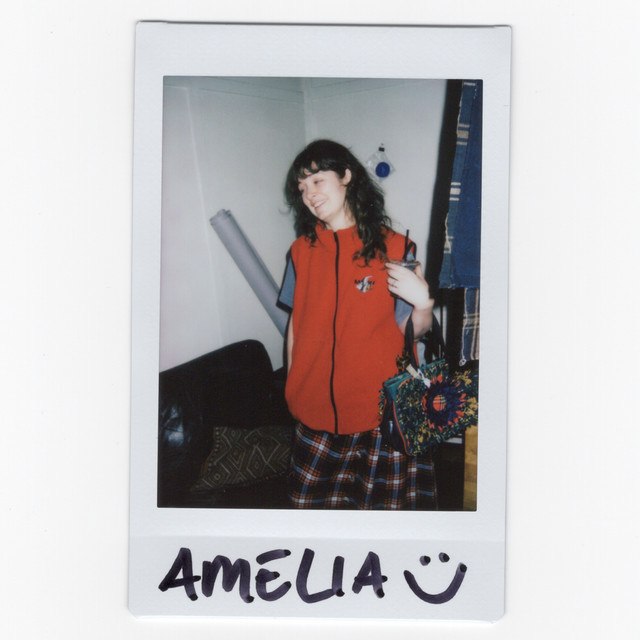
Amelia Skelton, recipient of the 2026 NSW Visual Arts Fellowship (Emerging), talks with Matt and Aiden about sculpture, drawing, textiles, trash and returning to NAS as a teacher.
Transcript
OK, yeah, yeah, cool. Let’s let’s start. Cool. Yeah, we got, we got a couple of episodes taken out of having music and that was really annoying, like. Oh, true music. Is this like just, but people like there’s all these like big podcasts that like just use songs. And then I was like, how do they do that? But it’s just like they’re like, they’re just big podcasts.
You can’t do it. Like fuck you. Oh, is that right? Really. Like they it’s OK because they’re big enough is sort of advertising. Or something, I don’t know. Yeah. I thought Spotify, like when we were hosting with Spotify, gave you like 15 seconds of grace or something, whatever. To it because there’s just so much in a little reference to like, I don’t know, it’s the
Kylie Minogue song that we talked about. It’s beautiful. Anyway, anyway, I don’t want to talk about pre production USA. We’re in. We’re in the production right now. Should we start this thing? Sounds good. You guys, we’re back. We’re so back. Welcome to Hung Up. You’re listening to. My name’s Matt. That’s Aiden over there. And today we have Amelia Skelton on the sofa.
Hello. So, Amelia, you obviously just won this. Well, you were recipient of this big prize. Do you want to tell us about that? Yeah, yeah. So. Yeah, we’re just sort of getting into the nitty gritty, I reckon. Just keep going from where we were at. Yeah, cool. Yeah, so it’s the NSW Visual Arts Fellowship emerging in
brackets. It’s hosted it or hosted by Art Space and funded by Korean NSW. Yeah, we were just talking about the exhibition element of the sort of fellowship and how. Yeah, that’s really not meant to be seen as well.
It’s not what you’re judged on. Yeah, is what they say. That’s interesting. That’s. Kind of unusual and awesome. It’s really, it feels really different for an art prize, I think ‘cause like for most, I mean, I can’t think of unless it’s a grant specifically. Everything else is, as far as, I don’t know, judged on the
artwork itself. So yeah, it’s kind of, it makes it sort of nice, ‘cause you sort of just fresh’s off, fresh’s off. Yeah. And so they’re judging to do whatever. Yeah, they’re sort of. They’re picking the artist, not the art, I guess. Yeah. And they’re picking, they’re sort of like the objective is to be supporting, yeah, professional development.
So anything that I guess is like ambitious or like a project that you wouldn’t be able to do otherwise or something that’s really gonna impact your career, I think that’s like, that’s where they’re cool, what they’re looking for, I suppose. Yeah. So you submit a plan with that I suppose. Yeah, yeah. You get to submit a plan, a budget, you have to get letters
of reference and stuff and the applications are open actually at the moment. So yeah. I mean. Yeah, do it.
Yeah, I’m gonna win it. Don’t even bother. But. It sounds like. Yeah, it sounds like quite an involved process. It’s. A really involved process yeah, I think that the the application’s pretty like strenuous, which is I think quite good in a way.
Like I mean like applications are sort of they’re interesting and I guess weed a lot of people out because they can be really difficult and like you need to know how to like write in a particular type of way. And however it requires a lot of clarity because you have to really know what it is that you want to do. And I mean, like, I’ve applied
in previous years and had really like, bizarre ideas. I don’t know, like, it’s like, I feel like it’s hard when you’re trying to understand what to do with like, money, you know? Like, it’s like, I wanna go on a holiday. But like, I don’t think Create NSW is gonna pay for that.
Somehow. Yeah, yeah, yeah, we’re going skiing. Cool. If yeah, but yeah, no. Which is that makes sense. I’m a snow based artist. Yeah, yeah, yeah, I need to. But the mountain is generate ideas too, yeah?
Yeah, cool. So, so you can you tell us about the plan like? Yeah. So my proposal was to work with two local artists, Katie Plummer and Jacqueline Bradley, who I now work with, both of them actually at National Art School, which is really nice. Cool. Yeah.
So to work with those two as, like, mentors to help me develop a new body of work. Cool. Which I want to make out of glass, yeah. And the work glass should be yeah glass exciting. And I’m hoping to make that in collaboration with my mum.
Cool. Which is also fun. Cool, yeah. Is your mum like, is she a practising artist as well? She’s. Artist. Yeah, that’s cool. It’s funny. I like when we were heading down on the opening night of the fellowship before, like, you know, I had no idea whether I had received it or not.
And I was walking down with my mum and my dad and I was like, you remember, like, if I get this, you’re a part of it. And she was like, wait, what? Like totally forgot. That we never talked about that. Yeah, yeah. It’s like you gave me a letter of reference, whatever recommendation or something, or, you know, whatever you call it. She agreed. I swear. Yeah, yeah, yeah. It’s in the contract.
I like it. Yeah, But it’ll be really nice. I mean, she’s like, she’s creative and she’s always made stuff, but she would never call herself an artist, I don’t think. OK. Yeah. Yeah. But it’s nice, OK. Yeah, but so we, you know, we also wanted to like just having that in the tank, like just talk about how you got here. So you did ABFA in sculptures
right At National Arts School? Why sculpture? And what was that like? Well, why sculpture? I when I was in first year, my brother also went through art school and he was I think in honours or third year.
I think he was in 3rd year by the time I was in first year and he was doing sculpture as well. And so I had kind of seen some of the stuff that you could learn as and like, you know, the access. Like welding and. Stuff. Yeah, yeah, yeah, yeah. And like when I went through the sculpture department was like heavy on the welding, which I actually think is so sick.
And I’m like, really, I’m very glad that I had that. Like, I love welding. I think it’s really cool. Beautiful. Beautiful. Yeah, yeah. And I was sort of tossing up between painting and sculpture. And I think the advice that I had received was that you can kind of do painting like you
teach yourself outside of school, but like, welding and kind of, you know, like the wood stuff. And like, we did bronze casting and stone carving and all this, like, really traditional kind of stuff. But like, yeah, like amazing skills to learn and things that still, you know, like for the art space work that I made, I
did some carving. And I feel like that’s like, you know, I haven’t done it for like 10 years or however long, but that’s all like kind of skills that I would have. Yeah. Come out of that. Yeah, yeah, yeah. Yeah, it’s I always thought it looked like the most amazing, like like back when we were going to those like grad shows in like, I don’t know, early
twenty 20s. But yeah, it was like this like looks like this Mad Max like truck. Workshop with all the welders. Yeah, big. Crazy scraps of like, thick toe. It was cool. It was. Really cool. I mean, it’s still like the, you know, they still do welding and stuff and they’re like, they still have this, like, pile of steel. Yeah, cool.
It’s really cool. Yeah. And like some of the lecturers that are still there have like, welding practices and like, you always see them write their names on like, really good bits of metal. Like, sure. Just like shotgun. Yeah. It’s. Good, it’s. Good. Yeah, Yeah. I’m gonna use this Wells. I love that. That’s a fantastic reason to.
That’s a great, I mean like 1718 nice. Yeah, Yeah, totally. Yeah, yeah. And I to be honest, I feel like that’s still, you know, I’m teaching first years there at the moment. And it’s so hard because like, you know, you feel like, I feel like when you’re making that choice, you think that you’re kind of, it’s going to be like everything. Well, defining, which I suppose to a degree like it is because
it sets you down a path that and like the lectures you have and stuff like that are really pivotal. But that’s, I don’t know, not that I think everyone should do sculpture, but I kind of do sculpture.
What sort of stuff were you ending up making? I was making no great work, of course. Of course, was very mediocre of it. I was doing a lot of woodwork at the time, actually. Yeah, in sculpture at least I was doing like I got really into using the jigsaw. So I was like doing wood cutouts and stuff. And yeah, it was fun and like,
you know, painting on the wood and things like that, but. And then sort of fell into textiles through the drawing department, interestingly. That’s how does that connect. That’s interesting. Yeah, well, you ended during World. Yeah. OK. Yeah. So then you did an MFA in drawing? Yes. Afterwards, yeah, yeah, yeah. I took maybe five years off. I think, oh cool.
Oh, nice, nice. Can I hear a little? Bit about that because of that, yeah, what’s. This gap in your resume, What is this?
What did? I think. That’s that’s the move that like, yeah, I’ve never done my masters, but I really like that, you know, go out into the world for a little bit. For sure. Yeah. I think that that is the way to do it. Yeah. Like, I mean, I think I’m so glad that’s how I did it. I guess each to their own. And it depends on what time you kind of go through the course. And like, if you go straight I,
I went straight from high school to BFA. Wow, yeah, yeah. So I had initially wanted to do honours, but the school had taken that away and now it’s back. But so after third year, I just, yeah, needed a break and tried to do it, like tried to do art,
which I, you know, like I did. They kept up a practice and got, that was when I like got really into textiles, but was just, I don’t know, applying for shows and things like that and generally getting rejected. There’s like so much rejection, so, so many years, but which is just a like part of it.
So it’s OK. You build a thick skin, I suppose. Totally. Yeah, Yeah, no. And it seems great to have experienced that maybe before going back to masters versus maybe like, you go straight through, you’re in this really supportive, but you know, that art school or any, you know, institutional uni is a little bit of a false environment.
Yeah. Yeah, You know what I mean? So I could imagine it being a bit of a shock, Yeah. To come out into the world and people are just like, I don’t really care. Like, you know what you’re doing, people? Don’t care. Yeah. And like, that’s OK, but yeah. Wait a minute, no one cares about this? Yeah, totally. Hang on. But my lecture is like to me lecture, yeah.
No, it’s such a treat. Like, you know, it’s someone looking closely at your work and you kind of get used to it. Like, you know. Totally, Yeah. You know, people reading your poetry, Like, closely. Yeah, closely enough to like. You totally get used to it. Yeah. I mean, ‘cause there’s always crits and things like that and like, you know, even just like student shows that you’re having and, yeah, and you get people coming to them and it’s such a like, vibrant, exciting time.
And then I think to leave and have kind of like, I don’t know, but I actually think I applied for the fellowship like potentially straight after I left BFAI. Like, I don’t know, it’s like false idea of like understanding and practice or something like that, or like heaps of confidence that’s kind of like not backed up with not practice.
And so yeah, I mean, you get it totally for sure. And to be fair, I think like having like a collaborative practice for tango as well. We spent a lot of time after art school just, like ging each other up like crazy. Yeah. It was good. Yeah. Yeah. Yeah, we found your combined website was still up and we saw
some pretty amazing photos of like early with the blue gloves. And yeah, yeah, that’s. So fun. This is great. Yeah, it’s really that’s, I mean, it’s so good when you have like another person to just kind of be like, we are the best, you know, like, yeah, like actually the best artists. But yeah, I don’t know.
I had a couple years off and then realised that I didn’t really understand what I was doing. I didn’t know how to write about it.
Yeah. Like I think there was a lot of following intuition and things like that, which is very valuable. But I mean, the art world kind of wants you to know how to write about stuff or like articulate your thoughts. And I couldn’t do that very well so. The like, even the commercial side of it, like the buyers and the galleries and. Yeah, I mean, probably. I don’t really.
I’m not too familiar with those people. You probably want me to be able to tell.
Them Yeah, I was thinking about this recently because I’m always going back and forth and back and forth about like the writing and the language of the art world. And I was looking at some artists and I was looking just through their website and I was like oh, these images are fat like I love this work like it’s so developed so beautiful. It’s really consistent. Like this is this is really great work. And then when I read the
description, like, I got a bit of an instant, like just, it just bothered me, Yeah. Yeah, yeah. But. I tried. Then my next kind of thought was like, you don’t really have a choice. Like whether or not this is the way you would most like to write about your work, The art world, the greater art. World. Whether it’s commercial or grants or institutions, you
really do need to like, prove, like prove that you can speak and write and think this way. For sure. However, a lot of other artists like I think are quite resistive. Like they don’t like, I mean, I mean, you know, you and I anyway resist that text a lot of the time, or at least we delay reading it for as long as
possible. Yeah, that’s nice. Because it’s like, I would love to see like Amelia’s whole show 1st and then read the thing. Because it’s like, you know, what if I kick up some whole new thing about it? 100% yeah. I feel like that’s the way that you should be engaging with or like not there’s a right or wrong way, but I think that’s a good way of engaging with art. And I think I also feel like the sort of, I don’t know, like
goal, I guess maybe with art writing is to be able to like if you’re resistant to oh, you don’t want to over explain or you don’t want to use like art jargon, that’s really alienating and like kind of horrible. You still need to like, it still requires a like really in depth understanding of what you’re doing to be able to simplify, you know, use simple language
and clear language and stuff like that and be able to maybe articulate that that kind of like ambiguity is important and you know, you don’t feel like you need to over explain stuff. And yeah, I. Feel like we are in a better place, Like a lot of room sheets and titles and discussion that I’m seeing now. Just like, not in a super
intentional way, but just picking up room sheets. A lot of times I’m seeing this almost more expanded room sheet, if you will, where it’s like it’s a story or it’s like, you know, it’s about me and my friend and you know. Yeah, exactly. Poetic is the word because it’s like there is something really flattening about the impression
that you could almost like translate an artwork into just language. Yeah. That kind of is like. It’s so counterintuitive. It’s like it’s visual arts. It’s like meant to have a visual element to it. And it like, well, obviously and like, yeah, it can feel really weird to try and I don’t know, simplify something down into 100 back into words.
Yeah. Do you find it’s a valuable skill or is it valuable to you as like part of your practice? Yeah, I find it really helpful because it just helps me understand what I’m thinking. I suppose. Like I, I mean, I tend to like work through stuff first. Like, I’m not writing a statement and then making work,
you know, like, I don’t know, maybe some people do that, but I definitely am just like kind of playing with materials and I don’t know, like deep diving into random sort of tangents and stuff and then after the fact being able to kind of like narrow down or yeah, I don’t know.
I I find it useful for sure. Otherwise it’s just kind of floating around in complete mystery, which is nice too. But yeah. So let’s talk about the materials. The materials, yeah. We we found somewhere, I we, we lost where the original thing was. But you had this like reference to I Love Trash by Oscar. Yeah. Yeah, yeah. So we were we were listening to
it on YouTube this morning. So good. Yeah. I I, it’s funny, actually, we were talking about the residency before and that’s when I like, was on residency. I was meant to be doing some research for this show that I just curated at NASA and was trying to do all this writing and like just nothing was coming
to me aside from that reference. And that was like the one thing. Yeah, yeah. I’m like, well, yeah, I don’t know, but cool. I’m glad you saw that we can. Find lots running. And that is, I remember, like, everyone has this one, like, Wikipedia reference. It’s like Art Pavera from, like, Italy. Yeah. So your residency was in Italy,
right. And it’s like, whenever you think about, like, reclaimed materials, it’s like the big art school, like Wikipedia that everyone was talking about, like some Italian artists. Yeah. Like, I don’t know why they were particularly like, sat with that idea of like. Yeah, this is all trashy up nodding. Yeah, yeah. I feel like the 60s and they. Yeah, I mean, there were some really interesting sort of works that came out of it, but yeah,
that’s for sure. That’s funny. Yeah, yeah, yeah. But. Instead of looking at them at Sesame Street poor. Yes, as in like exactly poverty, like we’re using refound, refound materials and stuff from the street, Yeah. Yeah, interesting. So like I guess you know, it’s an uninteresting question, I know, but I would like, I would
like to know from where are you getting these things from? Are they bought? Are they still? Are they sort of stolen? I can’t admit to that one, no.
Instead of a mix, I guess. Like I yeah, I don’t know, I guess fabric wise not I don’t buy any new fabric anymore. Like maybe when I first got into doing textile stuff, I was so going to fabric stores and whatever. But I mean, yeah, sorry, that’s untrue.
I go to Vinnies and stuff sometimes and if you find like sometimes they have really lovely fabric. Like dead stock stuff or whatever, yeah. Yeah, yeah, yeah. But I mean, that doesn’t really count as buying it new, right? Like. Yeah, like I’m not interested at all in new fabric. I think it’s like can be nice, but it’s just not interesting to me. Yeah. And then I people just give you stuff like once they know that
you like to use second hand things, they give you things and I it is crazy. Like I have to say I’ve very staunchly like will not accept anyone crazy. I have way too much stuff and it’s all like, you know, vacuum sealed and whatever because it’s just so much.
But yeah, so textiles I I I find sort of or get given or whatever, but other like I like collecting little things too, like just like random little objects. And that’s typically just stuff that I find on the ground. Like, yeah, there was a show. That we saw like I think this was 2023. I’m just like looking for the
name of it like this one goes out to the ones I love where you had like a whole shelf of little like things, little trinkets, which. I I. Hadn’t scene since we, like, walked into that space. I think it was that first try. Yeah, yeah. And. But we found like a really great like 3D tour you can do which someone, someone would have
taken in a little like really. It’s like a Google map St. Yeah, so funny. And I was like, yeah, sure. Yeah. And I was like, it’s still running. That’s cool. And now we’re on the phone and we were like both in the gallery together. It was. Great. Oh cool. Yeah, yeah, we can visit the show. Yeah, yeah, yeah. It’s a great. Idea. Actually, it was quite an amazing. Like it’s so cool, almost haunting. Like haunting, even though it’s
a really cheesy, like the movement is like the Street View. Like, yeah, sure. But it still felt like I was joking. I was like, I’ll meet you in the doorway. I wait. Yeah. Yeah. You know. That’s really cool space. Yeah, but like that stuff, I guess like, you know, you just like I’m the same. I, as you can tell I’m surrounded by possessions.
Yeah, yeah, yeah. It’s great. Little bits and bumps, yeah. Yeah. And yeah, I guess it’s just like a lifetime of like having that acquisitive for. Sure. Have you ever had? To like, like, ‘cause I, I mean, I know it looks like there’s a lot of stuff, but I’ve gotten rid of so many things in the last couple. Of years do you ever have to like.
Stop and like, you know, prevent the whole house from caving in on you. Just from from one whole. Studio is really. Good. OK. Yeah, yeah, yeah. My studio is full of stuff, like sick. I feel like it’s just like a kind of glorified storage, you know, Like, I get I’m in there, but like, yeah, yeah, totally.
You gotta find your way in and out. Yeah, like. All my little things there. Yeah, no, I guess I mean like maybe when I was younger I would have culled some things that were like not, you know, when I when I was a bit younger, I would like spend a lot of time going to Vinnies with like my mum and stuff like that and buy just like odd little ceramic thing, you know, like just I
guess, but just like, yeah, little Knick knacky things. And if I, yeah, if they don’t have no kind of like sentimental or kind of significance or whatever value to me, then I would have I let go of some of them. But now I don’t think I could do that. Like the things that I have still they seem really like
magical and special to me. Yeah. They must stay you. Have to stay good. Yeah, I like it. Yeah, I like it. I think also even. Just like the, you know, the time you have something or like the maybe sometimes it’ll be exhibited or like whatever you’ve gone through with this object, it just imbues it with more and. Oh my gosh, yeah. Totally.
Yeah, I’ve got this like. Brass lock somewhere. It’s like this big old brass lock. I’ll get it and show you which like my I’ll, I’ll give it to you, which my grandmother’s like dad gave her like because he was working in like a sort of brass foundry somewhere. Just sort of pulling through my things to find a point and it
I’ve had it, it’s been in the family for like generations.
Yeah, yeah. The key for it. Anymore like, but yeah, we got to keep it like, Oh yeah. I mean, I can’t see how can I possibly throw that. But to aid it, this is like really I’m trying. To stay quiet here trying to offend you guys. Yeah, you’re like, yeah, yeah, it’s an OK lock. No, no, I love. The lock, I just, I love the lock. I just don’t keep any possession
really. Yeah. And I was thinking. As you guys were talking, I had these two little like Knick knacks that I kept for a long time because I was living in the UK for right. And it was a little. Like pink tiny like rubber suitcase that would have come with like a Barbie doll or something cute. And had like really? Beautiful. Like it had a little handle that would have snapped into her hand.
Beautiful And it. Had like, you know? Like a little aeroplane on it. And then the other one was a little carton of like French cigarettes, like a miniature carton that was. Sealed in like a little. Plastic case, yeah. Yeah, yeah. And I. Those cigarettes were in one of my favorite poems. Oh, cool. I kept those two things and I kept them and I kept them and I kept them and I now realize that I don’t have them anymore, so at
one point I threw them away or lost. Devastating. And I was talking. Came to my friend yesterday and he’s like, you know, what books do you have left and I was like the only books I really have left are like books that people have given me as gifts they’re like inscribed and there’s only probably like 6 or 7 on my bookshelf yeah and I but I kind of want to get rid of them as well so I’m. Kind of the opposite.
Guys. Yeah, that’s really terrifying. Yeah. It’s like anxiety inducing. I’m like don’t do it. I know, I know. Wow that’s wild because I almost have this. Feeling of like the the time that I spent with those objects was beautiful and like but it maybe it’s like this very
present sort of I don’t know spiritual thing where it’s like I get to enjoy these beautiful Maya lemons now but they’re kind of like you know Matt has a a wonderful sort of fruit bowl of Maya lemons from the countryside process from. The Airbnb, Yeah, yeah, but like, I don’t. Want to preserve them and keep them forever?
Yeah, that’s. Fair. It’s weird, yes. It is. Fair. Yeah, Yeah. I know it’s so funny and it’s fun that we’re, you know, so close, but we have these vastly different. Yeah. Like attitudes interesting. Although I feel like, yeah, it’s funny. My partner, he’s like not, I mean he has some objects that are like important that he’s kind of kept, but otherwise,
like I got a lot of shit and like so it’s a kind of good dynamic. Yeah, yeah. At the same time I would say. I’m pretty sentimental. Yeah, OK. Like I’m, I don’t. Like, I think objects and object histories. And obviously I love art so much. Yeah. And like, the idea of, like, you
know, something with its history and its resonance and, you know, it really speaks to me. Oh, yeah. You totally. Get interesting. He gets it. Yeah, yeah, yeah. But. You just, yeah, I mean, that’s it’s just a complete. Monster. Yeah, exactly. Yeah. I was trying to get ahead of it, yeah. I love like joke. Like. I don’t. Want to be that kind of minimal?
But I’d love to talk about textiles as well because I am also a huge textile. I like some of the textiles that I’ve been keeping. Beautiful to use for what I don’t know yet. No. Yeah. Yeah, I’m well, this is just. A nice little kind of hanging line of yeah, I’ve got a. Sort of drying line in my in in the apartment for like those
rainy days. But it also sometimes serves as just pure decoration. Yeah, I like, yeah, this is, this is. All you need to do with them, they’re perfectly right now. Yes. Yeah, I. Love it. What like. What did you realise at some stage that you were like, wait, textiles is because it’s like a big feature of your work is is woven things how it.
Happened I think, well, that’s not true. I, I know how I like fell into it in the sense that, yeah, I was in sort of, I think about third year at art school and in drawing I was doing making masks. Well, I was doing using a lot of ink and like doing kind of
portraits and stuff like that on paper. And then it sort of transitioned to doing ink drawings on fabric and sewing them into masks. And I just got obsessed with like masks and costumes and things like that. And yeah, I don’t know, it’s had a lot of fun like textiles I think have just like this. So I don’t know, there’s so much
variety I suppose, and like, there’s so much you can do with it. And when I left art school I didn’t have access to a crazy workshop and stuff like that. So textiles was just the material of choice I suppose. Like it was just easy to do in my bedroom and it didn’t require a whole heap of specialised equipment really.
And just the more I worked with them, the more I kind of fell in love with them I think. And like just spent a lot of time thinking about like the fabric itself and thinking, yeah, I don’t know, I think they just like kind of unravelled and just kept going and like there’s just, yeah, so much there to just think about. Really. Totally. It’s such a deep. Like world textiles, like the history of it and the the
science of it and like. Yeah, yeah. You know the. The like ecological impacts of those things, like, yeah, I’m very big on the, I mean, not not very knowledgeable, but very interested in the, like history of it as well. Yeah, yeah. Yeah, yeah, the. You know obviously like textiles they have just to like coin not to to a little throwback.
They’re having a high inherent vice. Yeah, nice. And I really. Have to read it in the backside of that one. Eyes on the road. And so there’s no, there’s not that many like historical garments that have survived, right? Yeah.
Well, I mean. I think, yeah, because they really, they are difficult to archive, which is really interesting. I mean, there’s like some that have just like lasted forever, but I suppose that’s like if you they’re kept in like really specific environments and stuff. I mean, I’m a bit of a phony. So I feel like I don’t know much about different types of fabrics and like only quite recently
learnt about different weaving techniques and things like that. Like, yeah, definitely not like technically proficient, but
yeah, I guess I’m just interested in the kind of like, yeah, the way they exist in the world and the way we interact with them. Yeah, yeah. Because they are something that’s so familiar, you know, like everyone knows them quite intimately. So like. Literally, it’s touching your body all day. Yeah, constantly. And like, you know, even like leather and carpet and all that kind of stuff, like it’s, we’re always around it.
And I think you like, and I remember reading this thing, but like, you know, I’m not reading this thing that’s like you everyone, like, even from childhood, you have a really kind of, yeah, inherent sense of how something will feel. Like, I don’t know, like, you know, you, you understand what
fabric might be itchy or kind of like what’s really soft and things like that. And it’s such a like, bodily sort of thing. It’s. Yeah. Really beautiful. Yeah. I also find it’s like one of the most beautiful, like sort of what would you say, like markers or indexes of like our civilization? It’s like, yeah. Yeah, we obviously.
Have been wearing clothes as humans for like 10s of thousands of years and like the one that always gets me is when they find bone needles ‘cause that was like really the only way to make a. Needle. Wow. Oh, yeah, true. That’s interesting. Yeah. And it’s like. Obviously the thread is gone, The loom, if there ever was one, is gone, but the bone just about
like that’s pretty. Amazing. You can imagine if they’re digging, it’s like this tiny thing I’ve actually. Never seen that. That sounds, Yeah, Bone. Needles. Yeah, cool. OK.
Yeah. And. It’s just, it’s, it’s such a funny like object because it’s so little and I’ve never seen one in person. Oh, no, I, I saw some in Europe recently because I was sort of looking out for them now. But it’s such a like funny like, like such an important tool at the time and like, it’s such a beautiful, like magnified history coming out of just this
one little sliver. Yeah, totally that. Is really interesting and like thinking about like trade and things like that like yeah, textiles are just I don’t know they’re so embedded in the way we like exist and like yeah so when you. Were on your residency there was like textile lab, Yeah. Textile lab Yeah, that way we saw a. Video of you doing like a loom. Yeah, yeah. Yeah, that’s cool.
Yeah, It was really cool. Yeah. The residency was called or is called Lotto Zero in Prato in Italy near Florence. Yeah. Yeah, yeah. About like 40 minutes from Florence via train. Yeah. And it’s a sort of, yeah, laboratory, but it’s it’s kind
of like it’s not strictly for art artists. So there’s like designers there and the people who run it. And it’s also like a consultancy sort of firm for textile production and stuff. And it’s run by two sisters and one of the sisters lectures in textiles as well. So it’s, I don’t know, kind of coming at it from all angles,
which is really interesting. Cool group of people to. Be so cool around. Totally, Yeah. And like Prato itself is like a historic textile, kind of. In Italy, yeah, very. Cool. Yeah. It is really interesting. And like, in terms of its history, it’s. Yeah, like was really thriving in the 60s and stuff when Italy
had a big kind of textile. Like it was just, you know, booming in terms of their textile production.
And now there’s a really, I think it’s got the highest Chinese population in Prato, like in Italy, again, because of the textiles, which is really interesting. Just like it’s sort of all hinges around that, which is quite. Yeah. Cool. Interesting. Yeah. Yeah, and.
So like what? Was the like, what was your work on the loom like? Like just love to know more about that. Yeah, yeah. Yeah, part of your process. Yeah, it was. That was amazing. I mean, that was sorta why I wanted to go there. Cool. I think yeah, yeah, ‘cause it’s the, the loom is called ATC2 Loom. Cool.
And they have one at UNSW in the Yeah, it’s like crazy. It’s expensive to having a supercomputer. Yeah, yeah, yeah. Yeah, totally. Yeah. I mean, it’s crazy. It’s really cool. Yeah. And I, I don’t know if there’s another one. There might be another. I don’t think that’s like eat in
Sydney at least. Yeah. So I went to Italy instead of, you know, which is cool, but yeah, it’s. So you weave manually still like there’s like the warp and the weft and you do the kind of which one is it? I think the weft, yes.
Yeah. The back, back and forth. Yeah. And the. It’s so cool. Yeah. So I think that the idea of the loom is so that you can like do samples of different textile patterns and things like that really quickly. But it also means that you can do, you can like weave imagery and like really complex patterns
that yeah, it’s pretty amazing. So the how the way you kind of like set it up changes the way the warp interacts with the weft. And yeah, it’s cool. And it’s honestly like the first time I did weaving at all, which is crazy. It feels like, like I skipped
heaps of fundamentals and yeah, yeah, yeah, yeah. But I was also really lucky because before I went, I Megan, who works at UNSW, she’s the head of the textiles like lab there. Yeah, gave me a sort of tutorial on how to set up my files and things like that, and that was
amazingly useful. So I could just kind of dive right into it. But it was awesome. Yeah. It was really cool. Like super. It was nice because, like, working with digital stuff can for me feel really like, not fun at all, like just devoid of fun. But this had a really nice, like
still very like labour intensive, having to stand there for hours at a time doing the actual weaving and yeah, which is really like an interesting and and in that there’s a lot of failure too. So like mistakes that you can make by being a human, which is nice. Yeah. It’s cool. Beautiful happy mistakes. Totally. Yeah, yeah. What did you think?
Of Italy, beautiful is. That the first time showing. I love it. I had been before years ago in like 2019, I did a residency in Bulgaria and yeah, that like when I was like deep in my costume sort of.
They have really beautiful costumes there. I did a bit of travel after that as well, which is nice, but this is like the most extended amount of time I spent in Italy and it was great. I really loved it. I loved like being in Prato, being a bit smaller and a little bit more quiet and like it was a really beautiful town and I had
to try learn Italian bit of Italiana. Yeah, which was. Cool. I sort of like, I don’t know, it’s nice. Like I then, you know, went to like Roman stuff afterwards and found it really like, I don’t know, sad because no one wanted to speak it. Like no one let me use my really shitty Italian. That’s so funny.
It’s like my partner came and met me over there at that time and I was like trying to like show off my 2 sentences that I. Learned and yeah. Everyone was like no, no, no, we can speak way better English than you can always the way in Europe. Yeah, yeah. Totally. Too sharp, too quick, Yeah. Exactly. Slow Australian. Totally. Like, I don’t know, speak 5
languages. Yeah, yeah, botching their beautiful language. Do they have like a? Special regional pasta shape for. No, probably. Everyone’s got their own. Little twist on it I. Don’t know. I mean, I was staying kinda out of town, like it’s like a maybe 1/2 an hour walk into the city centre and stuff. So that sounds awesome. It was really lovely.
It’s just like kinda being in suburbia, which was yeah, cool. Yeah, yeah, yeah. No, that is like where I’ve settled with travel. I wanna be in suburbia. Yeah, it’s cool. It’s. Totally. You know what? I. Mean it’s really nice and. There’s like novelty to it. I feel like, like the people in the town are like, why are you here? Yeah. How are you? Yeah, Yeah, fully. Yeah, exactly.
Which is kind of. It’s fun. It’s great. Yeah, yeah, yeah. Because the city centres. In a lot of places are beginning to kind of look alike, I find. Yeah. You know, obviously there’s like some city centres, like I know we were just in Prague, which is like, so, you know, so Prague. Yeah. But yeah, it’s those bigger built up cities. It’s like I could squid my eyes.
Yeah, sure. Absolute mall, Yeah. Yeah, totally. Look the same. Yeah, the coffee. Yeah, exactly. Yeah, the crappy. Coffee shop? Yeah, totally, for sure. Yeah, we found something. Yeah, real bad copies of it, Yeah, so. Yeah, you. That’s absolutely what it was, Australian. Coffee. No. Yeah, come. On God, yeah, yeah, it’s. Actually it was funny in Prato
because like, yeah, I like again, being in kind of like suburbia pretty much, but going into the town centre is really lovely. But I like one day was sort of, I don’t know, like getting a sandwich or something and then just heard like a horde of Australians, what the fuck? Yeah, what a stamp doing. Here, it’s a Stampede.
Yeah, No, it’s a little travel torn, isn’t it? And there’s like a. What is it? Monash Uni has a campus there and there’s just a shit load of Australians. That’s so funny. It’s like, yes, so random. Yeah. Really bizarre. That was sad. It just avoided all costs. Yeah, it is.
It is always funny. Bumping into Australians overseas, you’re like, hey, like, yeah, yeah. Yeah, like this like assumption that you’re just going to be mates because you’re from the same country. It’s like, I don’t think it works like that. Yeah, yeah. I mean, sometimes they’re. Nice. But you’re totally, yeah. Yeah, there’s a reason we’re. Travelling to like, yeah, Bulgaria or whatever fully. Yeah, yeah, yeah, we were.
We were it. Was lucky this time I went to Europe. We hardly saw any Australians until we came to like Paris basically, and then even then it was more like Americans and Germans and other. Countries. Yeah, definitely not. I don’t think we saw a single like we didn’t see many Westerners at all in Istanbul. Cool in. There just. Yeah, you had a nice like. Offseason trip as well, right? That’s true.
Yeah, it was like September or October when we left, which is kind of perfect. Yeah. Cool. Yeah, yeah. Yeah, never going, although I would like to do a nice big stupid like, you know, August, June, July, Greek islands. Yeah, yeah. Totally. I mean like, I would absolutely do it. They make it look so good, all the other Australians.
You don’t even need to learn. To speak Greek, probably yeah, no, yeah, definitely not so what’s the plan next Like what you know for your for you. What’s your schedule? Yeah, I. Will busy in the studio, which is nice. Yeah.
It’s funny, I feel like, yeah, busy in the studio. It’s kind of like nice when you have that. But I’m also like, it’d be so nice to relax, but you know, you could like be grateful when you have that busy period as well. So. But yeah, I’ve been making a lot of sculpture, which is really nice, kind of moving sort of
away from textiles just because it’s nice to do different stuff and play with different materials and stuff. I’ve been doing like playing with like clay and stuff and been spending all of my money on silicon at the moment and trying to like make silicon moulds and like, yeah, yeah.
So I finally feel like I’ve Yeah, well, yeah, making clay things and then silicon moulds over the top and then eventually cast. OK, the objects cast in aluminium. Cool. Yeah, which is cool. Interesting. Very like sort of process heavy sort of thing. But it’s, yeah, been fun. Yep. And what is? It about aluminium, why not
bronze or cast iron or? Funding money, all right? Is it relatively? Aluminium’s cheap. Yeah. Yeah. Cheaper than yeah. But Bruns seems wonderful. That’s interesting. Yeah. I mean. It might be like there might be, I don’t know, lead potentially, but maybe that’s not available.
I don’t know. I I go, I work with the foundry in Marrickville, custom castings who are wonderful and yeah, I don’t know. I don’t know really actually, to be well, to be fair, I when I first started making, I made some metal kind of charms a couple years ago when I had a show at Nasha. Yeah, yeah, yes, we saw an.
A yeah, yeah, yeah, yeah. Yeah, yeah. Cool. Nice. Yeah. Yes, there was an A. Yeah, Give me an A Yeah. And I really wanted to cast them in silver, but that is crazy expensive. So aluminium has that same kind of like it’s similar, that kind
of nice shiny, yeah, one day bronze. And actually do you know what I would have like recently I really wanted to do some casting in copper and I was just totally naive to the cost of copper and went and got one thing like got a quote for one thing. There was like a small little object and it was going to be 300 bucks and I wanted to make
like 30 of them. OK. It’s like, well. Interesting. I won’t be doing that. I. Thought I was a good estimator of this kind of thing. Sure, I was way off. Yeah, I would have thought with copper relatively too. I mean, all I know is. Like the nice copper, like French cookware. Oh, yeah, that stuff is super expensive. It is, yeah. It’s very beautiful.
Yeah. Yeah, it’s funny. I was telling someone this and they were like, yeah, it like, you know how people people go in like to like work sites and Nick Cop piping and stuff. And I’m like, of course, of course. Yeah, yeah, yeah.
Yeah, it’s. Yeah, it’s. Yeah. Totally. The jig is up alright. Let him in. The police are waiting outside. We weren’t even. Recording the whole this time. Back to maybe this was with this Tango talking about like people stealing sculptures. I know that was Maddie talking about people stealing ohh God sculptures. From Mass, Yeah, actually I had
a work stolen. You had a work. So this is actually so strange, so strange. I had like a, a beaded mask when I was like, yeah, in 3rd year I was really into mask making, like I said, and like really into beading. And I had made this work that I was, like, really stoked with and had let it out to, like, put
it out in the sun to dry because I had soaked it in ink and stuff. And, like, went back half an hour later, gone. Yeah, full mystery. And I was like, maybe it blew away. It didn’t. Yeah. Crazy. And like, yeah, to this day, I’m like, who took that work? I have to repeat my joke. About the like the the Darlinghurst like discerning art
junkie like, yeah, you know what I mean? They’re like they need to score, but they also like like, oh, that’s an early career. I mean, this doesn’t like, I reckon that’s good. To see, yeah, that’s like that, but that’s where it went. Yeah, hopefully that’s cool. Justice. Yeah, yeah, yeah. Yeah, they’ve got some like amazing collection. That’d be cool. Yeah, I’d be fine with it, I think. Yeah, in the in the junkie, Dan.
Yeah, yeah. Yeah, true. Yeah, so cool. Yeah, OK. That’s nice. Yeah, totally. Keep it. You know what? Yeah. If you are like art that much, that’s nice. That’s nice. Yeah, I guess it’s all pretty. Open there, like you could just kind of walk in absolutely just blow up the spot or anything totally I. Mean for sure, yeah. When I was doing masters there, like you’d absolutely just get
people wander through the studios and have a young with you and yeah, right. That’s funny. I find that I’m. Like, don’t look at me. Are you totally? Like I want to close. The door, actually, I would put a curtain across my one, yeah. Yeah, yeah, I have people. Yeah.
Yeah. It is kind of funny. It’s a bit strange, but I don’t know that’s. Like it’s a cool sight. So I get it. Yeah, Yeah. Yeah, yeah, yeah. Go have a one another. Day and I was like there was a bunch of tourists I was like wow, yeah it. Was like, there’s something. Well, yes. Margaret Ollie. It’s bringing the the people are coming through. They’re really coming through
from Margaret Ollie. Yeah, yeah, yeah, yeah. We should go. Yeah, we should go. Yeah, I have to. Be honest, I haven’t gone through. I like work there three days a week and I still haven’t gone there. I’ll get there. That’s funny. Yeah. And so. You, you teach as well. Yeah, yeah, yeah. Teaching drawing, drawing and sculpture. At the moment, which is cool. Yeah, awesome.
What’s it like? Like, what is it? What is I’ve always wanted to teach. I’ve never really. I’ve taught Aiden’s sister piano for Oh, cool. Hey, nice. And then it was then we lost interest. Yeah, yeah. Yeah, it’s, it’s, it’s cool. It’s, I mean, it’s like my dream job. So I think yeah, I don’t know, it’s interesting.
It’s like really fun to be able to talk about art with people. Like it’s really quite lovely. And like, particularly when there’s students that are just like really interested and I don’t know, they have interesting ideas and they’re making cool work as well. It’s like, that’s just really lovely. Also tiring.
Very. Yeah. Kind of draining. And I thought that I’d be able to go to work and then go to the studio after work. And that’s just like, absolutely not possible. Yeah. Yeah. Impossible. Yeah. And is this like a sort? Of recent Have you taught much before? Is this well? I started teaching there last year, second, like halfway through last year, actually took Tango’s class when she went to
the city, which was amazing. It was like the best way to ease in because, like, I don’t know. Yeah. It’s like tag teaming. Yeah. Yeah, Yeah. Like, how do we figure this out so that we can only teach each other’s classes? That’s great. That’s the dream. Yeah. Yeah. But prior to that, I. And like, kind of alongside it, I work as like a disability support worker in an art studio
kind of context. So yeah, like teaching sort of like running kind of workshops and stuff like that. Yeah, yeah, yeah, yeah. No teaching. Is no joke if you want to do it properly. Really. Far out fully, Yeah, I think like some. People eventually, like, I’d get it. Why? Especially art, it’s like AI just kind of want to get the teaching done. And yes, through my practice, I
kind of phone it in, you know? Yeah, yeah. Yeah, yeah, totally early. First few years into teaching it’s like oh man. It’s so you know. Tough. Yeah, yeah, it’s cool. Yeah, it’s really, I don’t know, change the way I kind of see or think about the lectures that I had when I was going through and yeah, it’s really tough and like, ‘cause just, I don’t know,
it’s probably everyone and like every context, but like art students, there’s just no specific type of art student, you know, So you get. So many different. People and like different kind of ways of seeing the world and stuff like that that you just have to kind of adapt to each person all day and like absolutely yeah you’re.
Holding so much of them as well. I feel like with art students, you’re kind of holding their all their hopes and dreams and yeah, yeah. Yeah, totally. You don’t be a science student. It’s like sure A. Dream but. It’s also like, you know, we want to earn a bunch of money and have a stable life. Yeah, so true. Actually, that’s such a good point. Yeah, yeah. There’s like, such vulnerability with it and like, also just like
having to relate in that really human way of like, you know, being, being like, I’m not that far out of art school. So it’s all very kind of fresh and like, having a couple years out in the world and being able to give a little bit of like, yeah, this is what it’s like. It’s hard.
Yeah. We’re all going to be struggling for the same things. Yeah. What about what? Is the experience for you of like being in the studio like because fun come like it’s funny. I’ve been, like, thinking about this recently, like fun doesn’t like people. Like make sure you’re still having fun and but something it’s not quite fun. Yeah, yeah. Like you’re mentioning. Before, like, yeah.
Like maybe? Sometimes it is yeah mentioned. Before like I’m. I’m super busy and it’d be nice. It’s almost, it is work like we call it, like you’re making the work. Yeah. Such a beautiful and profound and self indulgent and beautiful work because it’s really for you and your own curiosity and interest and like soul and all that.
But yeah, it’s funny. I’ve been trying to kind of pin down to people. Like what it? Feels like because it’s not work like a job, but it’s not like fun like hanging out with your friends. Totally, Yeah. Yeah, yeah, so true. Yeah, I think it’s like, I don’t know, I feel like it’s, yeah, really frustrating for most of the time. Like really frustrating. And then I, I think that like, I
don’t know, I feel like I’ve thought about this recently. It’s like frustrating from sort of start to finish. And then there’s like a point where the work is made and I’m like, oh shit, like that’s crazy. Like to, I don’t know, to be able to bring something, pull something out of your brain and like bring it into the world is like such a crazy feeling that like that’s kind of where it all
lies. But yeah, frustration and kind of like exhaustion and stuff, but I don’t know. Yeah. But it’s, it’s also, yeah. Like that luckiness of being able to kind of battle through something that is like you’ve put yourself into, you know, like, like I was saying, like learning how to use silicon
properly and not just kind of like guess and like, but like that’s such a like, niche sort of being. And like, I don’t know, the failure that comes with it and all that kind of stuff. It’s like exciting and weird. But yeah, yeah, I don’t know. Yeah, it’s interesting. And I love hearing about your sort of how you position yourself against like, maybe like textiles and people, you
know, there’s a lot of practicality like that. Like outside of costuming, it’s like we’ve got to make T-shirts, we’ve got to make pants. They’re going to last. You’ve got to be able to wear them. But like, the artist gets to sort of come at it from like, you can be working with textiles in a very serious way for sure for many years and only just now be learning certain, you know the quote on like fundamentals. Yeah, yeah.
That’s kind of this, really. Interesting. Like we were talking about it with Steph, like artists getting things fabricated and you know, someone being like, have you made a mistake? Like is this? Is this file totally? Yeah, so funny in this like connection with the. Like quote UN quote real world that artists get to play with Totally. Yeah, that’s really beautiful. It is funny. I like recently for the art space thing was printing on
copper and like went and bought some copper sheeting from this place, I think in like seven hills or something like that. But it’s like brass and copper and whatever they they supply, that’s what they do. They supply sheets of copper. And I went and picked a sheet up and the guy was like, what are you doing with this? I was like, oh God.
Like I was like, yeah, I was like, I’m making. I was like, I didn’t want to say I’m making art because I was like, that’s just, I don’t want to go that far. But I was like, I’m making boxes. And he was like, like, I probably should have said, ah, but it’s like, what the fuck? Like we know they have cardboard. Yeah, yeah. Yeah, exactly. Yeah, totally.
It’s like that’s a crazy waste of time. That’s so funny. That kind of sums. It up, huh? Like in a crazy, it’s crazy waste of time. Yeah, yeah, fully. That’s what it is, Yeah. It’s beautiful. It’s nice. Yeah. And the fat lucky. Let’s. Pull it there. It’s. Been so lovely talking to you Amelia. Oh, thank you. Yeah, you too.
Thank. Thank you you. Can find Amelia on Instagram and we will put the like links and stuff in the description. Yeah. Is there anything you want to plug to our guests? Does that. Mean well. Oh yeah, I mean art space show that stays that’s on till 30th of August, so I don’t know when yeah might just.
Yes, but yeah, well. Hopefully you all kind of get a sense. I don’t know. I’ve seen it somehow. Know about this before the podcast comes out. Yeah. And Mystery project coming out soon. Yeah. The mystery project. Yeah, we have. You get to. Hear about it 3 project. Sorry, listeners, That’s just
alright. Yeah, in the room. That’s right. Sorry. OK, Alright, that’s it. See you. Later. See you everyone.
Show notes
In the studio this week is Amelia Skelton, 2026 recipient of the The 2026 NSW Visual Arts Fellowship (Emerging). We cover her career from studying sculpture and drawing at art school and now returning to NAS as a teacher. We also talk textiles, trash, Oscar the Grouch, karaoke and the TC 2 Loom. Amelia on ig https://www.instagram.com/milskelton/ Hung up on ig https://www.instagram.com/hungup.au/