6.17 A Book of Aftermath with Neha Kale
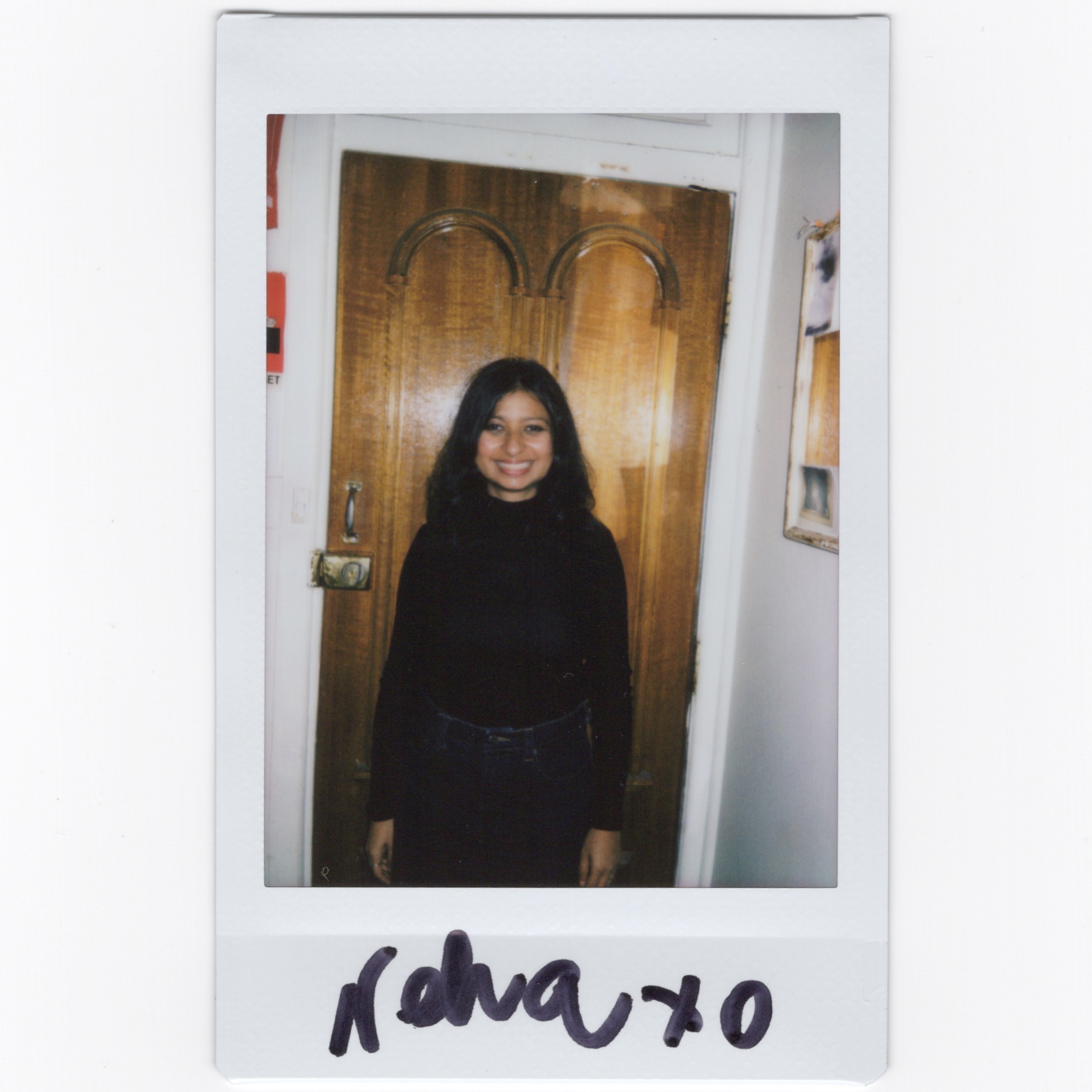
Neha Kale joins Matt and Aiden on the couch for a conversation centred on her new book, Foreign Return: on Art and Inhabitation.
Transcript
OK, let’s start. Well, welcome back. This is hung up. We’re in season 6 now. I’ve got my fabulous Co host Aiden with me. Hey everyone. And today, Neha Khale with her book on the table for in return we’ve we’ve got an advanced review copy of Thank you. Very much and subtitle on Art and inhabitation.
Thanks so much for having me. You’re very excited to be here. You’re so welcome. And we were just discussing, among other things, the Australian literary scene and and maybe there’s some sort of lack that you feel like we’re missing. What? What? What is it I? Guess when I was writing this book, I was sort of thinking that I just wanted to write a book that I loved, that that is the kind of book that I would love to read, you know, and I really love, for instance, like Olivia Lang’s work.
I don’t know if either of you guys have have read it. Like is that in an emergency? Yeah, and The Lonely City is a really, really beautiful book about loneliness through the lens of art. I love the writer Deborah Levy. You know who is like a living autobiography, biography series.
It’s really amazing. And I was really interested in kind of non fiction that is a little bit more playful and that kind of pleased with kind of what is life and what is art. Yeah, and we were saying like the, you know, when you read someone talking about themselves, it’s like they’ll never sound like that at the pub or over dinner, right.
But there’s definitely some sort of aesthetic artefact happening here. Like, but it’s, it’s, it’s true. It’s all true, as you say. And yeah, the book covers like, you know, your, your origins in India and living in London and was it Mexico City for a little bit and then in the inner West in Sydney.
Yeah, Melbourne. Yeah. Amazing. Yeah. Steps and skipping stone of, of, of places. And what? What is it that moves you on to a new place? It’s interesting, like I think the book, you know it.
When I started writing it, it was well, I started thinking off writing it. Actually, it was sort of in my late 20s and I’m, you know, I’m 42 now, but it was sort of that the first chapter, which I don’t know if you guys have read where it’s like, you know, going back to to India and, you know, this, this house that meant a lot to me.
That was in my family that had fallen out of my family. And that kind of it was a real sort of turning point in my kind of emotional trajectory. And I’d been, I’d lived this kind of life where, you know, I born in Bombay, grew up in Perth, moved to London, like a lot of Australians after, you know, really wanted to work in publishing, then moved to Melbourne.
And my life was this kind of like, I don’t know, I just was chasing places and landscapes really, you know, that I could feel. Yeah. It was a sort of sense of like this global kind of the sense of movement and mobility was just part of my life. And I never thought about it in a, in a, in a sort of in a serious way.
And then I started writing about it. I started thinking, you know, I was just like, why? Why is this this? Why is this this undercurrent of my life? And the question was really about, you know, what is home, you know, And I think, you know, I come from a generation of perhaps, you know, Indians.
And, you know, I don’t want to speak for others, but I kind of my life was always going to play out in the West, you know, like, you know, my, my family, like economic migrants. And it was always a sense of opportunity and life was always happening elsewhere. And it was this thing that I, I, you know, it, it was just this theme.
And it sort of when I was thinking about that, it was kind of like what, I don’t know what is, what is motivating me. And then I, I started thinking about this other story, I call it a shadow story, where it’s like it’s actually about a sense of loss and not knowing what is, you know, where, not where home is, but what is home, you know, And that’s the kind of animating inquiry of the book.
It’s like, you know, what is home when, when your origin is no no longer clear. You know, I grew up in, in, in Ballou in Perth, you know, I guess stolen land as a migrant. And that could never really be home in that sense for me.
And I really wanted to to look at all those tensions, I think. Yeah, it’s, it’s, it comes up and and like we’ll maybe we’ll sort of dip into it more later. But you do have some amazing like insights into this idea of like finding a sense of like your belonging or like, or sort of creating a home in like a place where the idea of home is sort of positioned in this like crazy, speculative, crazy, crazy property market and prices.
And and like this kind of savvy, resourceful, like, yeah, very colonially minded, like land, property owning thing. With it in Perth, it’s like owning of at least a couple of properties in Perth before your third. Yeah, you’ve. Got to have, yeah. Totally. That’s it. Yeah. Yes, and I don’t know if either of you have spent a lot of time on the West Coast, but it very much is like that.
And it’s a very specific place like that. There’s so much actual space there and it’s sort of, there’s a lot of cultural amnesia about, you know, I think that’s changing now. But it’s, there’s a sense in Australia that we’re obsessed, you know, with property. And I think that has a lot to do with the colonial legacies that we live with, You know, how we’re trying to claim what’s not, what’s not ours to claim.
Yeah, it’s fascinating The the book opens up with and this is one of the like, lovely, like wrinkles that like you kind of get through where, you know, the this town or this whole part of India was colonized by Portugal in like 506 hundred years ago, whatever.
And, and it’s sort of bled out all these different sort of rivers like in, you know, into the language and into the structure of society and stuff that, you know, you can, you can even feel like sort of funny, remorseful nostalgia for even though it’s like this like overarchingly of sort of bad structure.
Yes. Yeah. Interesting explorations going on. Yeah. I thanks so much for picking up on that. I was really interested in this idea of nostalgia and this kind of sense of like the, you know, I think the, the kind of migrant narrative. I suppose, you know, that I kind of grew up reading or that was published perhaps in Australia in the 90s when I was was, you know, it was sort of this kind of romanticization of this origin, you know, and I was just like, but that’s not quite, you know, I, I, I was like, but nostalgia can also have this really dark undecide that I wanted to explore.
And I, I wanted to explore what it meant to come from this kind of colonised people who kind of, you know, had always been conditioned to view the West as superior. And that it was so kind of, you know, I guess ingrained that you never even questioned it.
And I really wanted to question that. And I really wanted that, that history to kind of sit alongside, you know, being, you know, a colonised and person and a migrant in, in this very different colonial context of Australia and how those histories speak to each other.
I’m really interested. I think that’s a writer, you know, I’m also a journalist, like, and a critic. And I, I’m fascinated. And I and I, what I wanted to do in this book was talk about how individuals are swept up by history, you know, the sweep of history and the arc of history and how, you know, not what is choice, but sort of how our lives are shaped by these things that we don’t have a language for that are beyond, you know, beyond our beyond our time.
And then in the future too. And I was really fascinated, like a lot by ideas of time in when I was running this. Yeah, yeah, it’s, it’s, it is fascinating. I’ve, I’ve had the same thing, although not exactly as as you described it. Where. So I’m from Johannesburg in South Africa, where we went back to visit our old family home and it had been completely sort of changed.
And it’s the funniest thing you describe it in the book. You’re standing there with your brother and you, you share a sort of knowing look, which I didn’t really have that exact experience because I was in a car and it was, you know, it was different. But yeah, it’s just fascinating this thing of like how much has changed. I even it, it struck me like the other day, I think I might have said this on the part already, but I was walking with you.
We were just ambling through the back streets of like, N King Street, and it hit me in the face. It was like, oh, I used to come to this house all the time to hang out with our friend Spike and like, play music and all this stuff. But it’s like I hadn’t seen this little stretch of laneway in 10 years.
And just watching in my memory, those two memories match up. And then on the floor, I could see the roots had all sort of grown 10 years thicker and then gnarlier. And it was just this flash of time, like whoa in an instant. It’s, it’s really fascinating to me this kind of the passage of time and this sort of, you know, this, this sense of kind of how, you know, you can go back to a place and you, you can feel like the place maybe doesn’t know you anymore.
You know, I think that’s a really interesting, interesting feeling, a really sad feeling. And, you know, I’m, I’m interested in this book, you know, about grief and all kinds of grief and the kind of grief that we don’t really necessarily have a language for in our society, you know, because we live in such a neoliberal and capitalist society that we don’t even know what to value.
You know, and I was really interested in this kind of like, you know, I think that writing, you know, to come back to your first question about, you know, like literature. I’m like, I think the the beauty of what books can do is it can kind of give a language for what we don’t have a language for. And yeah, createspace for that.
And I really was interested in that. Yep, Yep, it’s noble interest and I think we need we need more of that. There’s there’s so much beautiful art that you talk about in this book and like obviously other stuff that like is big names, like a challenge like Brett Whiteley, you know, really interesting stuff about that.
The one the first artist I think that you cover is that you need to sing which who I admit and never heard of before but now I’m a mega fan. Well, I’m so happy. Yeah, we found a great photo book. Oh, we found the photo book you mentioned. Yeah. Well, we found like online, Yeah.
And yeah, it’s so funny. It’s like I’m looking at the prices, it’s like €29. And then you look at it on Amazon used books, it’s like 2000. I know. Serious, serious photos stuff. But yeah, lovely photographers and the way you weave it into the story is so cool. I’m so happy that you discovered her work through her book.
I, I came across it like maybe about maybe nine years ago. She, she showed her work. She’s a, you know, gigantically successful Indian contemporary photographer, one of the most well known and a very literary kind of photographer artist, I should say.
And there was a exhibition at Art Gallery of NSW called Fearless South Asian Woman artist maybe one or ten years ago. Yeah, yeah. That I remember moderating a panel at and came across that body of work. And just, it’s funny just seeing that, that the, the photos that I talk about in the in the book, it was before the book had written.
And it was just like, Oh my God, you know, that jolt of a jolt of a photograph. And I’m like, that’s like, it’s like a memory that I had not, you know, like the photograph actually spoke to memories that I had not articulated. Wow, you know, which was really, really powerful. Yeah, it’s such amazing work. It’s it’s it’s cool to be like shocked by, you know, you just see them on this little screen and it’s like, oh, I need to see the big one, you know, or even just the book would be.
Yeah. Yeah, it’s amazing. And I hope it’s a lot about chance. And, you know, I was interested in this idea of chance and fate and, you know, the, the, the fact that, you know, how we remember, you know, and, and the ways in which our parts can take so many different, you know, last can take so many different parts.
And we don’t, we’re not necessarily in control of those off those parts like. Yeah, I want to talk to you a bit about like the structure of each of these. I guess you could call them essays or sections about the way that like, I think I first heard the term from Zarina Muhammad from the white Pube, this idea of embodied criticism and often times personally feeling a bit just unsatisfied with like the default form of criticism.
Like I’d like it’s like, you know, we’re focusing on the work and there’s a lot of history and there’s a lot of like art speak. And it felt sometimes like a very intellectual exercise. It’s like, look how smart I am, maybe like a sort of institutional hangover and less about how the work made me feel.
And I think like it’s all well and good to, you know, be well read and worldly and have a lot of references, but to me still like the stuff that gets me is the stuff that moves me. Yes. And of course that might lead to research and so on. Yes, but I’m pretty allergic to research first practices.
Yes, and it’s interesting. So it’s like one of the essays might sort of, for example, the ones still life about you in the inner West. It’s almost like it’s a story of you and where you live and who you’re with and who you’re dating and what flowers are blooming.
And then there’s an artwork that sort of emerges. Yes. And I, I think that’s a really like like it’s kind of unusual and I mean it’s not the default way. Yes, we think about art writing, yes, but it feels like a very honest and it kind of feels like the experience of how we actually engage with art for people that really.
Oh yeah, no, thanks for picking up on that. I really when I was writing this so like it’s really technically difficult actually to like move between like more personal modes of writing and more critical modes of writing. And I really like like you, like I’m really allergic to like writing that is art writing, that it comes from a place that’s just intellectual, you know, like I think there’s a massive place for that.
But I also think that for me, like the embodied experience and the encounter is what’s really important. How something made me feel and how something change the way I look at the world and at my life, you know. And so like in that chapter specifically, I kind of, yeah, I kind of was looking at, you know, that last section ground, which is all about my narrator is sort of back in back on this continent, trying to make a life specifically in, you know, in Sydney.
And I really wanted to think about what it was like to look closely at what is just around you. And the kind of, you know, that the one of the themes in that in that chapter is, you know, it’s about a friendship with a friend who who’s now passed away. But that sort of sense of like giving the ordinary a form of a form of beauty and a form of dignity.
And. Grace and how I could do that in prose, really. And, you know, Crested Campbell’s work, you know, obviously there’s still life as a genre. You know, I really wanted to look at, you know, you know, when I was writing a lot of these chapters, I, I was thinking actually about the artist, not just in terms of their work itself, but what that work showed me about what it’s like, what it’s like to look at the world.
So I was thinking a lot about their approach too, you know, and trying to use that in my prose a little bit as well. Interesting. Yeah. I would love to hear a little bit more on like still lives. And I was looking at one of the Cracida Campbell works. It was like a, I think it was, was it the Margaret Ollie house?
It was like a watercolor block. And like that’s kind of what I’m most interested in at the moment, like still lives and watercolor. And you talk about it as like a gendered and a very like, you know, what is it is it was considered the lowest, the worst possible, the subject with the least and also the subject, you know, the women were painting mostly.
I’d love just to hear some thoughts about and then that process you describe of the wood block and how labour intensive and sort of how long it took to make a single image via that process. Yeah, absolutely. And this form of devotion of close looking and look of, you know, this kind of the sense of like what, you know, what is considered important.
I think one of the questions in this book is just like, I’m really trying to challenge what we think of as important in society and look at what what I think is actually really important. That maybe doesn’t have much financial value or much, you know, but it’s actually like, you know, and yeah, I, it’s really interesting.
Like I like in my in my other work, in my job, I think a lot about women’s lives. And in this book as well, I was, I was sort of like, you know, it’s an incredible privilege to be able to write a book in a kind of like, what is, you know, what is worthy of literature? You know, what is worthy of this, this kind of form?
And I really wanted to be like, what is this? What is the small, what you know, what is, what is the intimate? What is a beautiful, you know, why can’t a friendship be a kind of home? You know why can’t you know a quote? Like that I wanted to read just exactly with regard to that, if I may, as this is talking about coal, your friend.
As my friendship with coal deepened, it occurred to me that maybe I could find the anchor that I yearned for, not in a country or a landscape or a house, but in a certain vantage, which I love that it’s so true and and such a like, it’s a non Australian way to think about this sort of home.
But yeah, it’s something that I, I see, you know, in Europe people have like more of an idea of like, well, I don’t, I’ll never own this place, but at least I have my, my vantage, yes. Yes, well, in so it’s beautiful, but in some ways it also feels like I like that resonates and it’s it’s wonderful to hear something put down and then you’re like that kind of puts words to a feeling that I.
Recommend. Yeah, but. I feel like also for a lot of artists, we have been forced to. It’s like, yeah, it’s. All we have. Absolutely. All we have is our vantage. All we have is our vantage. I know. And so same with writers, you know, and like truly like it’s it’s.
Like, Oh my God. Yeah, we like all we have is our vantage. All we literally have is our notebooks. At least we. Have this beautiful poetic vision of yeah. Matt and I have had a version of this sort of joke or like comment about the Vantage for years, a year that’s. True. Yeah, yeah, yeah. It’s like we get to look at the light on the Cooks River.
So that’s. Beautiful. I know we don’t have any money, but. We, I know, I know. And even if we kind of have some level of like, security, you know, like I’ve been writing like professionally for like 18 years and it still feels like any day it could All good. Precarious, yeah.
Absolutely. You know, but it’s funny and kind of going like, not everyone lives like that. Yeah, yeah, I know, I know. And I know it is odd when you’re especially. I don’t know what it’s like for you, but I I’m one of the only people in in. I mean, I guess a lot of us have these precarious jobs, but I have this funny job that just sometimes just goes away, you know, for six months and it’s just like, it just vanishes for six months and you just freak out.
You’re like, I’m worthless. There’s nothing, there’s no sense even in. And then it comes rushing back and it’s like. It’s fine you didn’t have. To worry, Yeah. What was I so worried about? I don’t want. Yeah. Yeah, totally. And the. Vantage gets you through the hard time.
It does. It does, but. You know, like, I’m so glad that you picked up on that because I really was thinking about that. And, you know, at the time that chapter was set, it was sort of, you know, my partner and I were living on Australia St. you know, during the pandemic And, you know, it was like, it was wonderful.
You know, all of our friends could just, we could just walk to their places. And I was just like, how great, you know, how amazing it is to just be able to have that. And, you know, to like, we were like living down Camperdon Park around Camperdon Park. And, you know, and just just to be to be able to be in a place and just observe the the passing of, you know, passing of time, the kinds of tiny, little, tiny little beautiful things that would happen every single day.
And this kind of attention that, you know, the book in the book I really wanted, you know, as a writer, I love writing that. I guess how do I put this as like show us a grain of life, you know, like really specific beautiful things that unfold everyday. I find that really important.
And that’s what the kinds of writers that I love, you know, like I’m Annie Uno is, you know, a French writer that does that really well. A lot of poets, you know, when I was writing this book, actually, I was studying with this American non fiction writer called Sara Santilles and studying a lot of poetry, you know, and I really wanted the voice of this book.
Not to be the voice of my journalism or my criticism or the other the other work that I’m known for. And I was really thinking a lot about what a sentence can do. You know, it might not be the most efficient way to write, but I was just like thinking a lot, you know, line by line and how to, you know, how to kind of create that looking, how to close, look very closely at the world around you.
And, you know, my wish was like kind of for the reader to finish this book and sort of have a sense that they could maybe do that as well. Yeah, sure. What does that look like at the writers desk, so to speak, like under the way you write? But what does that, what does that feel like and look like when you’re examining your work so closely?
It’s a thing that a lot of our favorite authors do, you know, this very tight relationship with the work. Yes, it so I actually wrote a lot of this book longhand because I really wanted to, you know, first, like I’m a freelancer, you know, I like, you know, editor large guide and I write for like different publications and like always moving between lots of different kinds of writing that requires something very different of me.
And I was thinking about like an artist would think, like my artist friends would think about and thinking about getting it back to the body as well and being able to access certain things that maybe I wouldn’t in front of the computer. So and because I’ve been writing for publication for so long, I’m a real perfectionist.
Like I edit as I go along. But with this, I was kind of like, I need to channel something a bit looser. And so I literally was like, I got up in the morning, like lecture pad, light a candle, stunning, you know, and I’m not not through the whole book, obviously, but like there was, for instance, that’s still life chapter that was all written longhand.
And because I was trying to embody, I was trying to access something that I could not access otherwise and feel private too. I wanted to feel like, you know, when I was young, growing up in Perth, I was like an avid diarist, you know, And that was like what made me fall in love with writing, you know, and just like constantly just writing about everything around me.
Amazing. And I was trying to channel that excitement. And, you know, I’ve, I’ve been, I’ve been writing professionally for a long time. And I was just like, felt like I was maybe falling in love with falling out of love with writing, you know? And I wanted to fall back in love. With it, it will do that too working in your medium as a way to make money as well.
Yes, exactly. Which in many ways it’s the dream, you know, like I’m very lucky and I’ve been able to sustain a career in it for a long time, but at the same time, like I’d forgotten, you know, maybe the more romantic parts of myself. Really. Yeah. The kind of, you know, why I think your literature has always been my first love, you know, and literature and art really.
And like, I was like, how to get back to that, you know, that that that kind of pure relationship. The long hand thing is exciting. I just read a sub stack from August Lam. I don’t know if she’s an American artist and writer and musician and probably most famous for a lot of like anti tech stuff.
Like she has no computer, no phone. And she just wrote her first book, first longer book, all longhand. And she was talking about like this feeling of people being like, oh, wouldn’t that be so, so slow? Wouldn’t that take so long? But she found she was like going to jazz clubs and writing from like 1 till 4:00 in the morning.
And she found when she got home, the actual quality of the work was like, as you were saying, pretty high. It was almost edited as she went along because of just that sort of focus. That focus. Totally. And there was a sort of kind of bleak reflection on she’s like every poem, every novel that’s that you’ve read that’s been written in the last 10 years has been in a like hyper distracted e-mail, Instagram, every poem, even if you don’t hear.
And she was like, yeah, it’s kind of like got me pretty far going long when I found it very. I was like, oh, maybe that’s. I need to look into that I need. To yeah, yeah, we’ll send you August Lamb is great. Yeah. You would you would like it, Yeah. Yeah, no, absolutely. And, you know, there was something about privacy, you know, like, I will talk about this.
I wrote a lot of this book before it was acquired and published. And I sort of felt, you know, even though that’s not the practical way to do it, I just felt like I needed to work it out. So that was like you were, you were hoping it would be published, but it was like, I’m writing this anyway.
Yes, yeah. And I, you know, I, I was lucky, you know, I got, you know, a scholarship for Faber Academy. And, you know, I, I, there was some, you know, kind of institutional things that I got along the way. But I, I sort of, I felt it important to kind of work on it, to work out what, what is it that I wanted to say and the kind of question that I wanted to ask in it about home.
And, but, and also like these kinds of things that privacy, I think is a really important privacy and mystery. I mean, it’s really think things that are very important to me as a writer, actually. And like, writing longhand, being alone with my own thoughts and working things out without thinking about an audience just felt really important and very special and, and working out, like, I don’t care if you know, who likes this, who doesn’t like it?
Like, yeah, just like, what is truth? You know, what is, what is the actual truth? And yeah, we’re living in this world now where it’s really difficult to get to that. And we’re getting really disconnected from our intuition and our ability to have original thoughts. Yeah. Which I think as a writer, like, I feel like it’s really important that you say something that maybe someone hasn’t said before.
Sure. I mean, that’s your currency, like, you know, as well. Yeah. It’s interesting you talk about privacy. When we were talking about writing in longhand, it just for some reason it reminded me of reading 1984 as a kid. And the one, there’s this one scene that really stuck out to me, which was I think him either writing or, or somehow acquiring written material and then sort of stuffing it away under a desk somewhere.
But I’ve always loved this sense of like, I, I started practising my handwriting at some stage recently because I wanted to have nicer. And I’ve got all these, these papers that have never seen a computer or never been in the Internet. And it just feels and it’s the same thing like with the sort of government in that book where it’s this kind of like the thought police thing.
But this is also this other flip side of that, which is that like just by having it all disconnected from this whole computer world, you do you do sort of reveal these like very interesting things and happen upon these like whole veins of yourself that you might not have just looking at the computer the whole time.
I mean, I I do believe that you can definitely get into a flow state in a Google Docs for sure. But. Yeah, just the, the, the privacy of it and that the fact that it’s like, it’s also just like it’s a unique artifact now, like it’s an unreplicatable thing, you know? Absolutely. It’s, it’s very, it’s, it’s pregnant with like important, you know, artistic stuff.
And it’s the hand, you know. It’s like the way it’s. Like thought and ideas and feelings like exist in the body. Yeah. You know, I think really is really important to me. And I, I wanted this to be a book of thinking and also feeling. Those two things were equally important to me.
And like, I really, you know, talking to that to your question before about the still life chapter and, you know, women and and kind of domestic work. I, I was really interested, I guess in like looking at feeling as a form of thinking and you know, and how the realm of the intellect has always been seen as a masculine realm and like, and also, but like feeling and emotion can also be really interesting to look at.
Totally and. And I really wanted to play with that, with that tension. Yeah, yeah. I mean you do so successfully and like completely valid and like noble like equally interesting topic, right? Like the sort of the. Absolutely, yeah. And I felt like, yeah, a lot of these essays did end on that.
Like it did remind me of that poetry where it’s not like I’m not like, ah, it all makes sense. Like I, I understood, like they said, it’s like it’s all resolved now and I knew exactly what, what that chapter was about. It’s like, oh, and there’s a bit of like, this might take some coming back to you and sort of reconsidering and in a way mirroring the subject.
Yeah, I really wanted that. I really wanted to write a book that was layered and that readers should come back and read multiple times because I feel like we’ve become so addicted to certainty. Yes, you know, in our in our society. And I just, yeah, I’m kind of like, no, that’s not what.
And actually, like lots of the writers that I love, the great writers, they’re not, they’re not that certain, you know, they’re not that certain. Yeah, I get makes me think of this like tension in like contemporary art about like the famous one of like, what does it mean? And like, and it’s it’s kind of so silly because like, not that that’s a silly question.
No, I think that there’s a reason why people who are less comfortable around art, like make that claim. And I think it has a lot more to do with cultural expectations of you should know what this means instead of what maybe you feel as a kid or I’ve got family members and stuff.
They’re like, can I just like say how this made me feel? It’s almost like a question. Are they allowed to like sit down just like be with it and then just be like, that didn’t make me feel anything or that. Do you know what I mean? It’s kind of like, yes, like that’s the whole thing. Like you can just walk in and like trust your intuition and trust your body.
And if your body feels like bored, because we’re watching like a video of like a little bit of light flickering like down a hallway. And I was like, that’s a really beautiful little flickering moment of light, but it’s OK to be bored by it. But yeah, I don’t know, I guess I, I almost, I think, I mean, probably a lot of people agree with this, but just that the intellect has kind of run a little bit rampant in contemporary art.
I think. Yes, for me, for me, obviously like tightly coupled with like institutions and and that is the realm of the institution is like the word and the output and the publishing and. I feel the same. I feel the same too. And I think that, you know, we need to get back to the sense of feeling.
I feel like we are getting becoming so disconnected from what it means to feel. I know. And it’s really scary, that and the commodification of emotion and kind of actually that’s what makes us human. I. Mean, yeah, I do feel like there has been a good push to walk back toward that with, like, young artists and going back, you know, retreading, like, gendered materials.
Totally. You know, we’re seeing like, heaps of textile stuff and crafting, reimagining things that were once considered unworthy. Yeah, it’s just funny that, you know, like still, you know, earlier today we were talking about how important for a lot of these institutions and for even some collectors, the the word, the written word is as attending to the whole show.
Like, you know, your show text has to be just so like poetic and, and, and also intellectual and Korean form. Although obviously like we were saying that there’s a lot of interesting experiments with the idea of the show text itself and.
But you can’t, like, you will be seen as naive if your work, if you can’t articulate your work, your, you know, with a bit of that language. And maybe you can do a clever twist on it. But if you can’t, at least have a few sly nods to like, yes, I know the lingo, but I don’t know, like part of me is like, yeah, I don’t know.
I, I, I was looking at an artist work. I, I was saying this on an early episode and then I read the text and I sort of, I rolled, but then I was like, wait a second. I think I’m rolling my eyes at the wrong person here. Like it’s not the artist’s fault that they have to do this. And it is depressing to me as well because I, I do think that there’s certain, there’s certain things that the visual can do and certain things that language can do exactly.
And the fact that we sort of now need to have this like exegesis around everything. You know. Well, like can you know, like the work can’t just speak. Yeah, it is. It is. Yeah, my. Cousin was saying that’s funny, MA they they have to do the work and an exodus.
You’re a creative, right? An exodus? Is. She they’re couples. She. Yeah, and you know, even as a writer, you know, like you, I mean, I like that you, you feel that like the I, I didn’t want the, I wanted the book to be a book of images and questions. I wanted a book. That asked more questions that it answered, you know, like that was really important to me.
And you know, I I wanted to right something was like anti sound bite, you know, like I’m just like I feel. Really. Oh, we’ll find some sound. Bite, we’ll find some sound. Bite No no. I try so hard not to have any sound bites in there, but I just, yeah, I kind of think that this kind of narrativization of everything, you know, and everything has to be a story in this.
I just feel, I don’t know, like I feel like I’m a bit cynical about that. And I feel like it’s, I just feel like it’s like, again, mystery, you know, and also like allowing readers and allowing viewers to just meet, meet, meet it halfway. Well, do you have like, because earlier you were saying maybe you wrote part of this book without a, you know, without having to concern yourself with the reader.
Yeah. But I do feel like the book is sensitive to a reader. Yes. Like so that, you know, it’s like you did have a sensitivity toward the reader. Yeah. At some point. Yes. How do you negotiate that? It’s like, maybe there’s you want to make art or you want to go even more abstract or.
Strange. Yes, but you do also accept that, hey, I do want to publish this, yes, rather than keep it as a dime, yes. How do I meet the reader in the middle? That’s a really good question. I allowed myself to be quite free in like the early drafts and then in the editing. But I also, I think maybe because again, I have been a journalist for a long time.
I have been writing for a long time. I really like, I really like my work to be tethered in the concrete. Like I feel like it’s gesture of hospitality to actually guide, to guide a reader whilst also not condescending to them, right.
So like it’s a, it’s a hard thing. It’s like a very hard line that was quite challenging where I was just like, I don’t want someone to be lost. And again, I wanted it to be, you know, not just like I wanted it to be for a general audience. And so, you know, it’s really just like how to make how to make the reader feel anchored.
And for me, how I tried to do that was like anchor them in place. So like, you know, you know, like place and landscape is a really important part of the book. And I do, you know, I feel like, you know, if they know where they are or where the narrator is, absolutely. You know, I think it’s sort of, you know, that kind of guiding them, guiding them through is really important.
Definitely. And I think like the way you’ve lived your life in all these different cities, like it does like throw into like relief the like, you know, for someone who, who, like, I’ve lived in, in Stanmore for five years and lived in the inner W for like whatever 15 years, you know, it’s, it’s easy to forget how much this landscape shapes my life, you know, But when you’re moving, you see these different things and like London and Croydon and you know, and India and stuff.
It’s like, you really get a sense of like what importance a landscape or a sort of home city has on your life. And then therefore your, you know, interaction with these various like artworks, which is the way, you know, like, like I’d love to read another quote where, you know, we we all read this Susan Sontag book on photography, like, you know, some of us in art school.
And and, you know, I reread it recently thinking like, wow, she really did just put the then then like she hit the head of the nail with the hammer. What’s that expression? The nail on the. Head she really put a finger on it. A lot of times it’s just it’s just irrefutable. I just I couldn’t even think of I mean, I didn’t spend that much time wondering about it.
But that one thing where she has this, there’s a big part of the book where there’s the aggression and the possessiveness of the camera, which I always thought was such a sensitive instrument and such a finely tuned thing, whereas a gun is for killing. And like, she’s right that we do use a lot of the same like I’m going to shoot, I’m going to shoot you.
But what you say is this strikes me now as slightly naive to take a photo, as Susan Sontag pointed out in On Photography is if one is white or middle class like Jerem’s to be part of a legacy of capture, a story of possession.
But this is where I confess a gap between what I know in my mind and what I feel, which is like exactly my thoughts about photography is that it can be such a sensitive and like moving and, and gentle, you know, almost like you don’t even have to like touch the thing to really say it to someone.
Whereas, you know, a painter has to create it up from scratch. This is what we’re saying is that, like, if you know the, the intellectual stuff sometimes falls short or or can be too overwrought. Yeah, no, absolutely. And I really wanted, you know, like the whole book really is me grappling with this stuff and grappling with being like, again, a colonized subject and A, and A, and a woman and, and, you know, really kind of like, there’s how I should feel.
There’s how I do feel. There was a tension between the two, you know, also English, right, which is like my, it’s this language that I really love and I really have access to other languages. And yet I know that this, you know, this language is like fraught, you know, completely fraught to me, but yet it is the only language that I have, you know, and then how can I, you know, how can I complicate that?
How can I make something beautiful with this, the only language I have? A language which also was itself colonized like several times, you know, And those were cannibalized. And yeah, exactly. And so this book, again, like it’s a book of, of aftermath, you know, it’s like what we, you know, I, I think about it as being like a book about kind of dispossession, like a psychic disposition.
And it’s aftermath, you know, how we we are living in the aftermath of so many histories and how how to grapple with those things and also grapple with, you know, I didn’t want to, you know, like I think of the book as literary non fiction. And I didn’t want to write a book where I’m this like, moral paragon of virtue, You know, I’m like, I’m just interested in that because that’s not what humans.
We said we sort of did that in the 20 tens. Exactly. You know, I’m just like, well, you know, my narrator is a complex person and sometimes has, you know, for instance, like the Whitley chapter. That chapter is like me trying to grapple with the fact that, yeah, like I do find these meanings for.
God damn it, they’re good. Yeah, I know. Yeah, I know. Yeah. You know, that’s just quite bold that there’s a bravery to that because there’s a certain work where I would say it’s like only behind closed doors can you be like. You’re like you. Could never. Like you can never say it. You can’t go to Brett Whitley’s studio like you’ve never been.
Yeah, we’re talking about. I’m a feminist writer. Like, a lot of my concerns as a writer are, like, explicitly feminist. Yeah. Yeah. You know, Yeah. And like, I really care about that. And I care about, you know, women I really like a lot of what Whitely represents is, like, absolutely not what I’m about in any way.
Yeah. Totally. But I was really interested in like, there was a tension here and it would just be dishonest. Yeah, honest. And I feel like some of those things, it’s like you’re almost not allowed to say them. Like, I mean in terms of like having that honesty of like, oh, there’s a tension between how I what I, what I sort of know or think and how I feel.
It’s almost like maybe, you know, maybe this is like a less practice writer thing, but it’s like, oh, it’s too embarrassing to say. Like I don’t agree with Sontag or you know what I mean? Like I’ve got to kind of go with the the philosophical or. Totally. And I think that’s that’s morally right, you know.
Yeah. And, and I don’t know, like a lot of, you know, this book, again, it’s like me grappling with, I guess, colonial legacy, masculine legacy, and the fact that my life is utterly shaped by those things. Yes, in a lot of ways, you know, like I, you know, I was kind of, you know, migrant, like second Gen. or whatever.
But like a lot of my, you know, the chapter talked a lot about ambition and what that means and this kind of sense of what I was kind of shaped as a person to kind of strive and achieve in these in these ways. You know, to kind of, I guess to, you know, like, I think a lot of migrants, you know, would would feel this way to kind of take up space in the country.
You have to be exceptional. Yeah, absolutely. You know, and that’s such a fraud and broken idea, you know, yet that was the idea that I was certainly internalized, you know, and there was a real through line for me between that idea and like. The paintings are Brett Whiteley, which like really kind of epitomized this.
Like big, roving, striving, masculine. Ambition. And possession, you know, what is it? What is it to possess and to stake ownership? And I really wanted to look at how I myself was shaped by those ideas, you know, like and kind of challenge, challenge that, you know, my narrator, you know, like by looking at the paintings, it just being like, what is it that what is it that I find moving in them too, you know, like.
You’re writing about Brett Whiteley makes me want to like just throw up the idea of the scientific method because, you know, there’s all these like scientists who are just awful people and had bundles and bundles of bad ideas, but made one good calculus, you know, thing.
And now, like, you know, their name is remembered, but only for this one little step forward. And it’s like, you know, we, we, we often do hold artists accountable for their lives, you know, at the same time as, as judging their artworks. And it’s, we’re at this point now, I think where we’re able to start to like, try to tease them apart.
You know, obviously there’s like there, there’s lines that a lot of us will never cross, you know, like, but yeah, it’s, it’s an interesting world that we’ve wound up in where like, you know, there was, there was very loud, like a clamorous sort of, what would you say, like righteousness, like for the last sort of 10 years, which a lot of it was, was like, you know, valid and like completely valid, like, and important to do.
But I think like there have been instances of like an overreach of that and like sometimes a a hindrance to like a sort of freer artful thinking. An expression, yeah. And, you know, it was interesting, like writing this as, as you know, a creative work and I, I, I think an artistic work and literary non fiction as opposed to journalism or criticism or these other, you know, these other contexts, because I do, I was kind of like literature for me has always been a space of grappling with these different contradictions, you know, like when it’s what makes us human, right?
To me, it’s about the human. And I really was like, I, I need a form that can actually look at that and, and look at the, the, the what’s true, not just what, not just what people, you know, not, not just what people perceive you as or not what, what not what you think is the correct thing.
And I feel really, you know, and I will say that Whitely chapter, it was the hardest for me to ride. I think it went through like 5 or 6 drafts, like many, many years. I think I started working on that like back in like 2021. And I was just like, I was like, I’ve got to say, like there’s something that I need to, like I’ve been thinking about this my whole life.
Like I’ve got to say, I don’t know how to say it. I know it’s somehow related to Whitley’s paintings. Yeah. Incredible. I don’t know. I don’t know what. And I was scared of kind of writing it in the wrong register, you know, like, you know, when I was younger, I had a column, Daily Life, which was like a feminist website. And I, you know, it was that kind of era of like a lot of that kind of writing sort of a bit more.
The tone was a bit, you know, it was a different tone, you know what I mean? You mentioned it in the book. Yeah, yeah. And I was just like, oh God. Like, I don’t like, that’s not what I’m trying to do. You know, I’m trying to grapple with this in like a different, in a, in a different, in a different way and a kind of way of just like, well, we’re all living with these legacies, right?
And we’re all we need to look at a complicated relationship with them. Yeah, no, I think that’s, and I think you said like contradiction. I think that’s something we come back to and back to on the show. It’s like, you know, reaching out for a more like artistic or literary medium to do your work.
It’s I think the most freeing thing of art is it can bear that contradiction. That’s what I like so much about It doesn’t have the I mean, journalism too can bear complexities, but in its medium, it has other, more pressing concerns. Yeah, more pressing concerns and different. Responsibilities exactly.
Responsibilities is exactly. And I think a lot about the ethics of that, you know, but the ethics of a journalist as opposed to the ethics of like a a non fiction writer, you know, like it’s a different. Thing it’s a different set. Of yeah rules. There’s an interview of yours from a few years ago and you’re asked like reading your large body of work, I’m struck by your focus on artists from marginalized backgrounds.
And then they they finish. Why this particular why is this particular focus important to you? When did you start? And I really, really love your answer. You say, like it’s funny, I don’t think that was ever conscious that like in writing, I try very hard to be lead by what sparks my curiosity. And in so many ways, I’m more interested in people or just more interested in people whose life experience or creative output hasn’t been witnessed and documented endlessly.
I feel like that’s just, yeah, like that really resonates with me. I think that’s a really beautiful way of thinking about it. That also keeps you like honest and true. Like, you know, you’re excited about this thing. You’re not saying like I can’t look at this and I can look at this or I’m not allowed to to read this artist or it’s like, it’s just so true, though, that you’re I mean, for me anyway, like I I’m really exhausted by like, I hate people telling me that I need to engage with the Canon totally.
Like I think that’s just ridiculous. Like you have to see this film or, or it’s something I picked up from the white pube she’s talking about. Like, Oh, they’re talking about like you could just take a whole different launching point for art history nowadays. Like you literally don’t have to go through learning about French artists. Like you could be a successful artist and never even think about it, never think about it.
And that would be completely fine. Like if it’s, you know, totally post post modern culture, why do I need to I have known like. This and this. And this, and maybe I want to dip into a bit of that when I feel like it, I’ll look at a Brett Whiteley or a TS Eliot. But I don’t feel like I need to either even like defend or justify why I might want to just read books written by women or for a while.
Like I don’t, it doesn’t. I don’t want it to have to feel like that’s a political action either. It’s just like, this is what’s interesting to me. And I probably haven’t seen many of these stories. So therefore it’s going to have more. Yup, you know. Yeah, Oh, thanks for newness, for you’re a very deep racist.
I was like, oh God. What did I say? What did I say? No, for the reading that interview. So I totally agree. Like I, you know, it’s just what is exciting. Like what is there’s so many ways to see the world right and so many so much that is not documented, so much that is not in the archive and so many interesting ways.
Like, I worry that we are kind of in this moment of culture where everything is getting proliferated and it’s sort of, you know, like, you know, everyone feels like they have to think exactly the same way sometimes. Yeah. And see the world in exactly the same way. Yeah. And I don’t know that that’s necessarily what we need.
Yeah. Yeah. Perhaps. Yeah. We’ve become very sort of conflict of us in that sense, yeah. Yes, and you know, I think there’s, you know, like not to say that that that there’s not good reason for that and you know, but and ethical reasons for that too. But I also do think that, you know, we all, we all, we all see the world completely differently.
And there is so much that has not been, yeah. Again, witnessed or the archive, like, you know, people, people have lived completely without this history of, you know, visibility or, you know, I think even for me to even publish a book, like, you know, like why the Shirley policy was around until like in 1976 and like my life is entirely the product of like these things.
And you know, like, I think it was like, I don’t know if I’m correct in saying this, but like in the 70s, like 70s or 80s, like lots of books were published in, in England rather than even in, in Australia. You know, like the actual Australian publishing industry is very new. Yes, it is and it shows.
You know, like literally, like it’s very new and it’s sort of this, yeah, it’s this kind of crazy thing where I’m like, wow, like my parents generation maybe couldn’t you know? Yeah, publish. Yeah, absolutely. Yeah. With like it is. Publishing. You know what I mean? I’m. Totally. It’s insane. Totally, totally close to the history and I feel.
Like wow, like that is, you know. No, it’s easy to feel like things have been this way forever, you know, But yeah, it’s, it’s true, you know, you forget that we really are just finding our feet in in so many. So many, so many ways. You know, do you have? A language for it and even like the kinds of ideas that I kind of explore in this book about migration that are perhaps not, you know, ideas that I’d perhaps read about before.
Just like, oh, like I don’t haven’t. The reason I’m writing it is because like I have not read it and I feel like I want to write. I feel like I want to write my true. Yes, you know what? Feels true to me. Totally, Yeah. At the beginning of the conversation, before we started with the mics, we were talking about like this book being personal and the concept of like the I like as in the you or the narrator.
I think like literary, non fiction and stuff like that was really interesting to me. I’m not as capped in anymore, but when I was younger, I was really interested in the genre. And people talk about like, you know, a greater truth or like a, you know, sometimes a character could be multiple people, but it ends up with like a sort of, you know, you’re sort of magnifying or distilling a truth.
And it still feels true to you even though, like that specific conversation didn’t happen on that street on that day. Just interested to hear how you sort of thought about like yourself and the narrator and maybe these characters. For sure. I mean, so everything it’s really interesting, big philosophical thing that I thought about a lot providing this is the difference between truth and fact, you know, and like everything in the book is obviously factual, but and like the characters are all real characters.
The names have been changed, but they’re but they’re all my friends and my, you know, like they all they all exist in life. But I was very interested in this idea of what it’s like to kind of, you know, the the self, watching the self, you know, the I the way in which the the phrase.
I think Rebecca Giggs, who amazing non fiction writer who I studied with for a bit at Faber Academy. I think the expression is watching the self watch the world. And I was thinking a lot about this, what it means to kind of watch the self watch the world, you know, and this I, the I that is the person that is writing the book and the person that is watching, you know, and, and one of the hardest technical things to, to make this book work.
And like, for a long time I was like, I don’t know if I can pull it off, like I’m doing something very difficult technically. Do you know what I mean? It’s my first book. And just like, why am I, why am I trying to do this? But this sense sense of like, you know, watching, you know, me like I’m 42 now, like, you know, watching my, my, my past self and the distance between past self and the present self.
Yeah. And also what the what the self in the scene knows and doesn’t know and what the what the author me knows and doesn’t. Know the dramatic irony of. Yes, absolutely. And the sort of the the, the phrases that I think about, it’s like distance or like a psychic distance, you know, how far you are from something, how close you are from something.
What did that person in what that person know? And that what makes it laid for the reader is actually that distance and how the kind of, you know, think about the the eye almost as a camera, how close it’s zooming in, how much it’s how much it’s, you know, what do I know with the perspective of hindsight, you know, the chapter that’s set in Melbourne, you know, like I thought my, I thought I was going to live in Melbourne forever, you know, and I was my part period of my 20s.
And, you know, like that kind of, I was like, oh, that that didn’t end up being my life, you know, that didn’t end up being, you know, And then also that sense of what I find really interesting is like the book is a lot about loss. And it’s it’s a lot about the loss of certain times and places, which I didn’t realize until I was quite a long way into the book.
And that’s kind of I can only write, you know, this is a book of, like someone and like who was, you know, in their, you know, early 40s where it’s just like, oh, I see that those landscapes, the emotional landscapes as well as the physical landscapes never exist like that anymore because of, you know, other forces that came in capitalism, you know, more precarity, more economic forces.
Yeah. And so the book is in a lot of ways also an allergy, you know, for these kinds of lost times and places. Yeah, that’s the what the one of the, like senses that we, like really loved from Roland Bart’s book Kamalu Cedar. Is this like inherent like in the in the capturing of the photograph, there’s also this, like declaration that, you know, it’s never going to happen again at this moment, you know, that person will die one day, You know, that flower will go, you know.
Yeah, absolutely. It’s gone. Yeah. So one of those like beautiful ironies of these, like a lot of these mediums have this kind of like instantaneous capture, but then the sort of fading of time just. Yeah, the incessant March of time. Yeah, there’s. An amazing book by Annie I know called the years.
I don’t know if either of you have read it and one like the Nobel like years. Oh cool. Four years ago and it’s Ano was sort of telling her entire life through these sorts of disappearing times and places and look and looks at kind of these sort of signifies of, you know, what was what was, you know, like what people were wearing, what they were doing, what they were buying as a way to kind of track like kind of French society and all the shifts in society.
And it’s remarkable. Like, you know, I was thinking a lot about that book as well. You know, it’s just like what, you know, what is it about certain times and places that I found you find so beautiful in the living of it and so important. And then, and then, you know, only with this kind of distance that you realize I was like, it was important, you know?
Yeah, yeah. Yeah, but it’s gone now. Totally, Yeah. Yeah, I was going back through this with my friend the other night. Like all the places that we have lived, we lived together. And then you moved here and I moved here. And it is funny. Like, in a certain way, you can really flatten things when you look back on them because you can sum them up so quickly.
Yes. And it kind of like misses that. It’s like, oh, yeah, we were, you know, I was dating this person or we were doing this or. And it kind of it was, it’s a complicated thing, but I imagine like I could, if I like, let myself like luxuriate in, you know, rather than just like summing up a year.
You. Know 10 seconds. Like really think about what days felt like. The texture of life, you know, and this idea of, you know, what the question I was asking is, you know, what is home or how do you find home if if you don’t have a home, you know, and I mean that obviously in a like a, you know, a psychic and emotional sense, you know, and this idea of maybe home is something that you make something that’s amazing, you know, it’s something that is like creative and imaginative and not necessarily you know, you’ve.
Been given or inherited? Just you have to make it. Yeah, yeah, totally. And you know, it’s not about, you know, you know what you possess, but I was like, it’s about what possesses you, you know what, what claims you. I was really kind of thinking about that that idea a lot. Yeah, totally. I’m sorry, I’m interested as well in like whether you think like this whole character seems to be, I don’t know whether they were an artist as well, but seems to be quite like satisfied with just like existing.
And then I wonder like that question of like because I think for me, I’m very sensitive to these feelings of like, you know, the meaning and the beauty and the poetry in, you know, a moment or a little, you know, us taking a little 5 minute stroll between guests. But I also feel that I do need to capture and transform and translate it via some artwork, whether it’s a photograph or a yes.
It’s not quite enough just for me to, you know what I mean? Like I wouldn’t be satisfied if someone said like, OK, you can’t make art about this anymore. You just have to live it. Like yes, I don’t like that. Doesn’t that wouldn’t be enough for me. No, I mean. Colwood was a, you know, Colwood was a writer as well. And they were very, very different writer in person to me.
But but yeah, like that, that sense of observation was kind of, I guess, you know, part of why we became friends, you know, in different ways, you know, very different, I guess, cultural backgrounds, class backgrounds. And I was interested as well in writing that.
And I felt cold as has passed away now, but I felt very much like, ethically, you know, even how to write like I was interested in like, that kind of, you know, how you can be changed by someone and someone who’s not like you. Yeah. You’re not like you. Not really in your circles, not really in your home.
Yeah. You know. And to find home in unexpected places. Yeah, I guess. Yeah, yeah. Fascinating. You guys. We’re coming up in an hour. Now that is. I know, I know. It’s such an easy conversation.
Well, we’ll have to. Come back for a. Part 2. Please do Kylie, it’s been an absolute pleasure meeting you and reading this book. It’s being released I think on the 1st of September of September. Yeah, with New South Press. We will put a link to the thing in our bio where you can pre-order.
Yeah, the book will be out by then, so go. True. Go by now. Now. Now, bookstores. All bookstores. All bookstores, all reputable bookstores. Beautiful. Yeah. Thank you SO. Much. No, Thank you. Thank you. That was time. Really enjoyable. Thank you so much. Yeah. See you later. OK. Bye audience.
From Instagram
Episode 6.17 Show notes: Neha Kale is a widely-published writer. She works in many forms including criticism, journalism, essay and other nonfiction. For close to fifteen years, her writing on art, contemporary culture and society has appeared frequently in international and Australian publications including The Sydney Morning Herald, ArtReview, Vogue, Elephant, VICE, The Guardian, Griffith Review, Art Guide Australia, SBS, Kill Your Darlings, Gourmet Traveller, The World of Interiors, Running Dog, i-D, Wonderground, BBC and more. Mixing personal narrative with art and cultural criticism, Foreign Return explores the work of artists Dayanita Singh, Ana Mendieta, Tracey Emin, Brett Whiteley and Danie Mellor among others to investigate the myth of the suburbs, the shadows of colonial inheritance, and the changing ways we need to conceive of homes and their ownership. Word cloud “We are living in the aftermath of so many histories” show texts, colonial contexts, the sweep of history, Dayanita Singh, experimental art writing, feelings first/embodied criticism, Australian property obsession, writing in long-hand, privacy, forgetting the audience, watching the self watch the world, Reading list: Olivia Laing; Funny Weather: Art in an Emergency, Lonely City Dayanita Singh: Dream Villa Annie Erneaux: The Years Deborah Levy Hot Milk Neha Kale; Foreign Return Follow hung up on instagram: https://www.instagram.com/hungup.au/