6.16 Death and Legacy with Daniel Mudie Cunningham
With hosts Matt Sitas and Aiden Loughlin · · Listen on Spotify
Guest: Daniel Mudie Cunningham
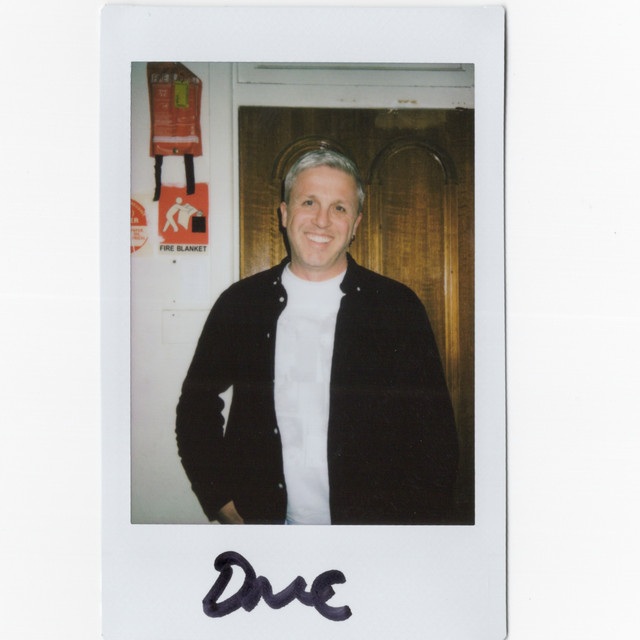
Daniel Mudie Cunningham, director of Wollongong Art Gallery and former Director of Programs at Carriageworks, talks death, legacy, lost media and funeral songs with Matt and Aiden.
Transcript
I left it. I didn’t even know who you guys were, but I think I think I could Let’s let’s start recording. Let’s welcome back to hung up season 6 episode something. OK, the story was this. I was, I was hearing we were we were in the opening sort of ads
for watching teenage sex and death at Camp Miasma at the Sydney Film Fest at the Sydney, what’s it called? The State Theatre, State Theatre. And I hear these two people going, it’s better when there’s no artists in the room in the gallery. And then the other guy goes, it’s better when there’s no people there either. And I go or any art. And then they start talking to me and it turns out that like
they have already listened to the show before. And it was like, wait a second, you’re Danny, you’re Daniel Moody Cunningham. Welcome to the show. Yes, that’s me. I’m busted it. Was really funny. It was really sweet. The the like the serendipitous bump in thing. I really, really enjoyed that kind of the, what do you call it, coincidences, synchronicities.
I’m, I’m getting a lot more of them now that I’ve opened my heart to them. Yeah. It’s funny because then you find out later that there are other people there. I think this is the thing with Sydney Film Festival too. A lot of your friends are at the same screening, so you don’t quite realise. Might see it on socials or something like that, but it was actually kind of funny that you were sitting right next to us
and I guess we’re obnoxiously eavesdropping.
I can’t help myself. I cannot help myself. I eavesdrop everyone because. It was kind of like an art opening in a way. I mean, I seemed up seeing probably quite a few art films at the festival and there was 1. I actually didn’t love it. I expect the audience not really wild for it, no, that particular film, I mean, it was fun. It was really fun, but it was kind of actually really stupid
as well. It was extremely stupid. Yeah, yeah, yeah, yeah. I I liked that they committed to that. Like, I like when people commit to whatever in the film. Like, we watched this amazing movie last night. I’ll see if I can remember the thing. But yeah, it was like at a in someone’s backyard in Earlwood. Do you want to remember the? Name. It was like the adventures of
someone, Finch. Wilfred Finch, Yeah, I want to say the. The misadventures of. Wilfred Winfred Anyway, someone like, yeah, wow, we really butched that. But it was it was shot in Earlwood and it was like screened in Earlwood in this wonderful, like backyard screening thing. This is a photo of me like in the stocks, like from the set,
you know, they had like a little medieval thing there, but it was so sweet and they really committed to the medieval thing. And like, it looks like a who’s the guy? An Errol Flynn movie. You know, it looked like an old pirate movie. Yeah, we’re looking at the poster and we’re like, well, this is like a film film, like a distributed real film. And I was like, oh, it’s like just a local film. And it’s half an hour long.
But it looked, it lived up to the poster. It was so great. Great. Anyway, teenage sex and death was it was I, I, I was laughing a lot because it was very funny. But it was funny. The the thing that really got me about it was the soundtrack. I really like Alex G, which was, yeah, very sweet to hear it in a movie. But yeah, that was just the main thing. Yeah, the funniest thing for me
was actually just when the needle drop of that Sade song. Yeah. That was funny. That was, I don’t know, that just kind of, I thought it was really funny. Yeah. Nuanced, but yeah. But it was interesting. I think I’d seen a night or two, the new Gregoraki. Oh, yeah. And the audience was so wild for that as well. And I felt like on another
planet where I’m like, I love Gregoraki. I grew up watching the new Quiz Cinema, you know? And I just, I don’t know, it just felt like it had all the tropes of the Gregoraki, that whole carousel of signifiers, but it wasn’t necessarily that interesting. But there was interesting, though.
There were a lot of queer films in the Film Festival and I guess I ended up seeing quite a few of them, but. That’s cool. You can’t. Say, I did like Maddie’s Secret, the John Ellie films, that was fantastic. But. Like the the Iraqi film was about a contemporary artist and and like having a sort of sexually dominant relationship
with one of her assistants or whatever. And I think that day that that screened that famous, you know, art world figure Jerry Gagosian died and I. Didn’t even know that. Hilda, someone, someone. But yeah, she’s kind of very famous as Jerry Gagosian and
really famous for the kind of Instagram memes and about the art world. It kind of calls out art world stuff. And she’d initially been anonymous and then became kind of out and, you know, very much owned the whole persona. But I felt like that film was trying to do what I guess one post of Jerry Gagosian’s could
do quite successfully. About the artwork I see. Yeah, yeah, yeah, totally. Yeah. I mean, it was, it was, it was sweet to see like that. It’s always sweet to see that stuff. Like I, I went to see French girls ‘cause like I work in fashion too. And it was like, oh, like there’s someone holding up a light reflector, like I’ve done that, you know, which was, it was very sweet to see.
And like, it’s shot in Sydney, which is sweet. But yeah, like the same thing with the art scene. It’s like, obviously very, it was a pantomime the, the, the movie. But yeah, it was, it was fun. It was like, it was fun to see. And I mean, we’re left being like, it’s incredibly silly movie. What? What a silly movie. Yeah. But yeah, I was probably just being a grumpy old gay. It’s difficult sometimes I feel
that like, I mean, the the crowd and the film event can sometimes be bigger than the film itself. And it felt like huge this year, Like absolutely huge. Like there was a huge. I didn’t actually see that film. We saw the Barbara Hammer film. Oh. Yeah, that was excellent. Yeah, yeah, yeah, yeah. The. Daco on. Yeah, the daco, Yeah. And then I went and saw Nitrate kisses, which I saw back in the
day, which was one of her really famous. Yeah, I think it was her first feature. Yeah, and it’s right. Fucking great. Really amazing. Yeah. Like I, I kind of, I did my PhD in on cinema and, and, you know, but always had a kind of background in art history and visual arts and went to art school. So cinema is a really big part of my practice and and watching
films, you know what you’re saying about that audience, the event of it, you know, I feel like that’s actually kind of part of the experience. Oh, totally. Yeah, yeah, totally. It’s a beautiful. It’s like it makes me, even though I can be a bit of a grumpy little curmudgeon sometimes, I feel like, so hopeful and like, naive at the, like, it feels like quite an
analog event still. Like, you know, no one has their phone and we’re going to sit for two hours. Yeah. And like, everyone still loves to do it. Like, yeah, you know, kids and like everyone still loves. Going no, it’s great and it does force you not to look at your phone. I find that I’m often watching a film at home and I’m looking at the reviews of on Letterbox. Yeah, I really have to stop
doing that or just getting distracted having 3 or 4 screens going. Along of course and. It’s not even a multi channel film I know. Yeah, yeah, we have to have that rule in my house. Like no second screen, even if the movie is kind of channel films in this. Yeah, exactly. Come on, we’re watching this together. Yeah, I really enjoyed that. But yeah, sometimes when the like you’re talking about like feeling like the odd one out,
like sometimes when the crowd is really loving it and I’m not getting it, it almost like amplifies that disconnection and makes me even grumpier because I’m like, like, I remember this thing from like my childhood. Like we were watching like funniest Home videos with like, my, it was like Easter and I was with my cousins and like everyone was dying. Everyone was like knees slapping.
And I was just like, I just didn’t get it. Like I just didn’t get American Australia’s Funniest Home videos. And everyone was looking at me like, what’s wrong with you? Like, where is your heart? Where is your sense of humour? Oh, sometimes. It’s like you are getting it. That’s the point. That’s why you’re not enjoying it, because it’s like you get it, but you think everyone else is not. And that’s why they kind of a little bit superior.
Yeah, I. Get a different kind of special way to the way you guys get it. I’m really reading into that man’s pain. Do you like say you’re going to see a movie with someone and to you as well, Matt wait as soon as you come out, are you like are we in analysis like as soon as we break the. Yeah, a little bit. I mean, look, if I’m going to use the Film Festival as a example of my recent viewing habits, I saw most of the films
by myself. I only really saw, I think about three with someone else, 2 with my partner and and one with from Fergus who it was the one we’re talking about.
And I guess in those instances particularly, I guess when I saw the, you know, sex and death, it came miasma. We were, you know, chatting about it for a bit afterwards. But I mean, like I think Maddie’s secret, which I saw we were chatting about, but we also saw them. And I love my partner and I, we both kind of really were
disappointed by that. Elliot, my husband was particularly kind of like, that was shit. So I guess we shut down the conversation. We were. And I was also a little bit embarrassed because I was insisting we see it and it was actually kind of really lame. And I don’t, you know, just yeah, I’m much more of AI mean. Look, I, I commute everyday to
Wollongong. And so I spend a lot of that time on the train actually watching films. Really, I probably watch a film a day. Wow. And, and I rewatch a lot of stuff as well from, you know, and it is often a lot of is tied to my interests or tied to visual research for projects I’m working on. And so, yeah, so it’s probably a
little bit of a kind of, it underpins A broader practice is this kind of spectatorship and and fandom for cinema really. I I do love the the moment post when we used to smoke back in the day post movie, you go out and you have a cigarette and you talk about what you saw. Very fun. If everyone is kind of in the same like if everyone’s got a
good faith argument about the film, it can be extremely fun. Just remember standing out in between like parked cars out the front of the dandy. Like yeah, talking to you guys about but. Kind of more, more entertaining, more interesting than actually talking about art, you know? Talking about movies. Yeah, yeah, just. I think everyone, I mean I was just went to this book club this week and it was, we were reading the unbearable Lightness of
being by Kandara, which I like, I didn’t, but I was glad because like fuck, this was a heady book and it was my first time at the book club And I was like, I hope everyone thought that this was a heady book and they didn’t just love it like it was a good book, but everyone was like, OK, that was there was a lot going on there. I was like cool, but it was like a 2 hour chat and the last hour everyone just started talking about movies. Like it just.
And I was like, I’m going to talk about this fucking book like too hard. But it’s just everyone, yeah, movies. And you were saying you’re like, it feels like movies are everywhere. Like right now I feel like, is that everywhere? We just got more interested. In am I stripping? Yeah, it just feels like. Movie moment, yeah. Yeah, I don’t know. I don’t know what it is. I feel like, am I going great? Like it sounds really stupid because there have been movies since the late 1800s like every
day. I said in the late. 80s Yeah, the 80s. I do think it’s a bit about 80s. I think like Sydney is having a film moment and then we also stepped to the. Sydney Cinematech at the outcome of NSW is a really good example of that, you know, and I think it’s kind of bringing back the film culture and that’s really exciting. And I think the Cinematech has
been there for a while, but it’s kind of branded itself and it’s, you know, the curators there are doing such a great job of, of making it really exciting and relevant. That’s great. Yeah, I mean, I, I feel, I just, I think maybe it’s a bit of a like funny bias where like I’m moving more into film in my own work and meeting more people in
film that way and then like seeing more films that way and seeing, you know, so maybe there’s a bit of a funny snowball effect, but it really does feel like that. Hey, when you came in, you brought us 2 copies of this gorgeous book. Are you there with this beautiful picture of you on the front of this? 1515 years old, maybe 6. Little dad with the most amazing
like shirt on and the braces and like actually frankly, like a great school photographer like well. It’s a photograph that was taken at Hurstville Westfield in one of those glamour shots kind of studios. And it was my family. It was kind of like one Saturday or Sunday. Yeah, the family, come on, we’re going up to get our family portrait taken.
Beautiful. And I think it was the only time I remember that we actually did something like that. Yeah. And so there are photos of my brothers as well in the same get up, you know, in the kind of Sunday best, even though it’s really, you know, outfit sport from Lowe’s or something, probably from Hursel, Westfield. And then there’s a. Group shot of the family so and they’re. Really in the book as well the
the. No, there is actually towards the end there. So restaging, right? Yeah. I restaged the photograph specifically for that book. Just in those blue pages. Yeah. OK. So yeah, that’s a book that kind of surveys my practice as an artist over 30 years. Yeah. And I did it as a. There it is.
There it is. Love it. Wow. So, yeah. So I remade the shirt. My brother actually has a printing factory and he kind of made that for me, but cool. I think people just seemed as kind of AI. No, that’s great. I deliberately kind of wanted to restage. A lot of my work is about restaging not just my own work from the past, but restaging
other kind of moments from popular culture and stuff. Yeah, totally. And you’re obviously like, you know, one of your big things is the funeral songs, which I submitted a song to as per your quest. I was very honoured to, can I tell people what it is? The song I submitted, which I don’t know why this song really
kills me, but it’s like, this is a song that if you went to World War One, would have been like one of the last pieces of pop music that you could dance to. And maybe maybe even then you would have been too old to dance. But the song is Moonlight Serenade by was it Glenn Miller?
I think it’s fun, which was like a huge hit in the oldies scene back in the 1940s. But it just kills me. That song, it really kills me. And it’s it’s got this really like it reminds me of my my grandmother, but it’s got this very stately, like sort of sophisticated rhythm, which just sort of plods along. But yeah, it’s, it’s it’s really like an artifact of completely bygone era.
I’m waving my hand. I love it. But yeah, it was really fun thinking about that. It was like, oh fuck, OK, like what? What would I choose? Well, I love that it was connected to your grandmother because the project for me actually is a is a very closely tied to my family. But the consciousness of round what a funeral song is was instilled in me by my grandmother when I was a kid.
She’d always say to us all, everyone in the family, which was this kind of charismatic Irish, you know, woman. She’s like, if you don’t play Rod Stewart sailing at my funeral, I’ll come back and haunt you. And so, you know, she was a massive Rod Stewart fan. And, and so, you know, when she died in 2004 at the funeral, we
played it twice just to make sure she wouldn’t haunt us. But it was it was she died a little later, a few years later than my younger brother Trevor, who died unexpectedly the age of 20. And it was the failure or the forgetfulness that forgetting of his funeral song, but then
remembering it later, which is what it kind of inspired the project. So when I kind of with my mum remembered the song that we should have played it, it really inspired this project that then I first staged at MOP Projects in Chippendale, an old hardest run space that ran from a number
of years I was very involved in. Yeah, yeah. And so that was 2007. And then in 2012, Mona bought it and presented it as part of the Mona Foma Festival. In 2012. Mona was just really new museum at that time. I think it had only been open a year. And then now it’s 15 years after that 20, 212 presentation at Mona.
So it’s a 20 year anniversary next year. They’re representing the work and and in a much more expanded form. So I think at MOP it went from 180 songs, yeah, in 2007 to about 560 songs in 2012. And now it’s it’s getting up to about 1300.
Wow. So and for our listeners, like, can you set the scene? Like what do you see when you walk into a? So you see a jukebox. So it’s basically all the songs are embedded in a jukebox that is interactive and you can play. And then it also is accompanied by the song lists, which for the original version, you know, it’s
kind of like you could flick through on the jukebox, but the jukebox is getting a little bit more sophisticated now that it’s containing so much. Dart. Well, never were. Able to put 13,000. That’s right. I mean, it was ACD jukebox originally and this is kind of one of the reasons why we have kind of they’ve recommissioned it because the jukebox did
breakdown after a while as an interactive work, the whole analogue, you know, mechanics of it just kind of packed it in. So rather than just being a straight conservation project, I was like, well, why don’t we expand it and represent it on its 20th anniversary? And so it’ll be in a bigger, you know, kind of room immersive and it kind of accompanying work for
that is a piece called primary where I’m performing or, you know, lip syncing and dancing to my funeral song, which is Tina Turner’s version of Prince Clearwater revivals proud Mary. And so I first did that a mop in 2007 and then it was five years later at Mona. So I thought I’ll do the second
one with this plan to re stage that every five years as a kind of ageing self-portrait set to my funeral song. And also a bit of a joke on a corporate five year plan. You know, it’s like, what’s your five year plan in the in the job interview or that kind of performance review and you go, oh, it’s supposed to do Proud Mary. So now we’re getting up to Proud Mary being it’s 5th iteration in
- So I’m shooting the next version of that early next year. OK, amazing. And then the Funeral songs and Proud Mary installation will be represented at Mona in June next year. Cool. It’s such a in a funny way, it feels like a short interval, like the five years. All of a sudden it like, do you feel like it’s like oh shit I got another one due like just tomorrow.
It’s kind of interesting the pressure it puts on me, you know, also as your ageing and the expectation around it and the, and it’s probably my best known work because mono have committed to buying it over the course of its lifespan and into the future. So they they keep presenting it.
So it’s actually on display at the moment as a four channel work. And so it’s got a big audience. People know it and I, you know, there’s that expectation, all that pressure you put on yourself. You know, I was funny actually, that night that I saw you when I was chatting with Fergus. I was like, oh, you know, gotta
get into shape. You know, I’ve gotta do proud Mary again, kind of, you know, now that my, like, in my early 50s and, you know, I feel like, you know, the age is setting in and the capacity of the body. Yeah. And but, you know, I remember Fergus saying to me, oh, you know, you being an inauthentic, you should, you know, lean into the fact that, you know, so. And I’m like, no, I want to rail
against it. That’s the whole point. It’s like, you know, you know, Madonna’s just released Confessions, too. And look at her. She’s 60. 7 She’s right. She’s Jack. Yeah. And that’s what I would, as long as I could keep going and make it, you know? I mean, yeah, but it is that pressure you put on yourself in that five year period. It sounds, you know, time is so
strange. It just comes around so fast. And then all of a sudden it’s like we’re in this space again where I have to figure out, you know, where I’m going to set it, what I’m going to wear, you know, the, the look, the feel, the vibe. And, and as it’s grown over, it’s a longitudinal thing. You know how that narrative plays out from from the first one to the 2nd and onwards?
Yeah, I was watching it this morning. It was excellent. I was thinking about a couple of things. How it compresses like, you know, this is the first time I’ve met you. How it compresses your life to me, like and time like because it’s like 4 channels. It was like the four screenings all at once. And I was like, wow, this is 15 or 20 years. But to me it’s just all happening at once, like. Yeah.
And it’s funny with that first one, which and you know when I made the first one, I didn’t think I’d I’d make them anymore after that. It was wasn’t set up as a ongoing durational work at that point. And there was a point and shoot a standard definition of 1 friend with her camera shooting. It was actually shot at mop with
a white wall behind me in the between the install period. You know, so really it was like literally shot a week before I hung the work amazing and it cost nothing. And then the second one, the production values go up, you know, kind of becoming more of a music video director wannabe. And, you know, it’s a, there’s a joke that I kind of often say
it’s like they the works, they become more high res as I get low res, you know, and they, the production values increase is, you know, I guess, you know, I age and, and with but there is that time, you know, the first one, there’s a, you know, I’m in my 30, early 30s and they’ve still got brown hair and you
know, this and earnestness and it’s awkwardness. That next one, I’m all a bit like, I kind of joke that it’s like my sex pest era. And I’m not like just being like some kind of like sex up rock star. And I look at that and I cringe a little bit now and then. And then I’ll, you know, and I just kind of age, you know, from
there on. But yeah, it’s interesting. And, and I do feel excited about the fact that it will keep doing it and it’s got something to live for. But it’s it’s, it’s also, yeah, the pressure of it. It’s really interesting too ‘cause I and then melancholy of it because you don’t know when the last one is.
You know, I could have shot the last one if I by bus tomorrow. So you know, it’s, you never really know where it’s going to end. It’s kind of, if anything, probably becomes more important after my life. Yeah, it’s, it’s we, we’re very avid fans of the Roland Bart book Camera Lucida. And he he brings that up a lot in the book, which is that like there is this element of death
that haunts the photograph, like of your loved one or yourself or whatever, you know, which is like, yeah, it’s, it’s really like it’s an important thing to remember for, for the photographer and for obviously video sort of has a similar thing, although he’s like, we’re not talking about movies. We can’t this we couldn’t pass. But yeah, it’s, it’s interesting
the the the work that confronts one’s own mortality. Like, I’ve never really been game enough other than in like the odd little sort of reference to do it because it’s such a scary topic for me, you know, like. I remember we were fighting. Do you remember we were having a like a fight or an argument? I think we’re in the car or something and we’re talking about mortality.
And I think like, I’m 30 now. And I was thinking, I thought beforehand I was like, oh, death doesn’t really bother me. But I also had convinced myself that I had reckoned with it like in my 20s. And then I turned 30 and I was like, I feel so young. I’m actually going to retract that. Like, I’m way too young to have reckoned with death in any real way.
But now, like, my parents are 60, and there I see them, like, grappling with it. And I feel like it’s almost like I was saying to you that we can’t, it’s not fair of us. We’re just too far away from death to have really grappled with the question. And you were kind of like, do you remember this? And you were like, no, like, I reckon you can. You don’t have to be 60.
You can. You can like deal with it at 30. I I did, I, yeah. I don’t think I was saying that you can like solve the problem of it, but I think that you can have some very real, you know, like thoughtful experiences, you know, brushes with death or like you can like you can really consider it. I think especially by the time
you’ve, you know, had 10 years of adulthood about like, yeah, I don’t know. What do you, what do you think about? That well, I, I think that I was exposed to a lot of death early on. There was around the time my brother, my grandmother died. There was a whole wave of death in my family and, and some unexpected deaths as well as my PhD supervisor who’d had, you
know, you know, HV AIDS for a long time and died around the time I submitted my PhD. So, and this was all in those early, early 2000s and you know, I would have been in my 20s. And so I think that kind of death literacy was instilled in me early on and then became a big part of my practice.
And then it’s interesting when, when talking to others, you really do become aware of how uncomfortable people are talking about death, particularly if you’re quite a matter of fact about it. You know, when I kind of out of the blue approach someone and say, what’s your funeral song? Would you like to participate? It’s interesting to see how confronted people are. But sometimes by that question where I’m so matter of fact, they’re like, oh, you’ve really
sent me down a kind of, you know, a rabbit hole or, or just confronted me or, or triggered something, you know, triggered, you know, remembering a funeral recently or a parent or a grandparent or whatever. But but, you know, death is so normal and so natural that I think we forget that it actually is just, you know, we probably do need to demystify it further.
It’s helpful, I think in in all cultures, it’s a very serious topic, you know, like there’s no, there’s no culture that really like just traditionally takes it very lightly, but it is very helpful to like just shake the jar up and, you know, stick with the snowflakes. I. Mean this is kind of why I think it’s reductive to say this, but it’s why artists do what they do because there’s this ultimately
it’s about death and legacy and and making mark and you know and then you’re getting back to Bart. You know the whole importance of the photograph is a kind of signifier of of what has been and what will you know what has passed. So, yeah, it’s, it’s, it’s, I mean, even doing a book like the one that I, you know, we were
talking about before, the book that I made really is very conscious of it being this record of time. And that’s specific to that, a time that and a contribution I’ve made. It’s a, you know, it’s, yeah. Sometimes we’d even talk that explicitly about that reality or
what it means to be an artist and to actually preserve your own legacy. Yeah. Yeah, it’s funny. I think a lot of people like, especially when like maybe if you’re like leaving art school or at the age of like emerging as as an artist, it’s like you almost cringe when you think about that stuff. You like don’t want to, but it’s like, it’s something that I’ve
heard a lot of teachers say these kids don’t know how to save their photographs. Like, you know, they don’t know how to like preserve their film for like 40 years. Like what if you are a great artist? You know, like maybe you maybe you’re like, I suck one of them. But like, what if, what if we want to look at that photo in 40 years? Well, the only copy is in a little shoe. Dusty shoe. Shop I mean, often people do say that I’m the kind of master of
cringe and that I, you know, I’ve always kind of been really comfortable with cringe master comfortable with with cringe. And you know, there’s an element of pop culture cringe that creeps into my work. But, but the interesting thing about a lot of the early work that I made and some of the, I think best work I made really was probably at art school 30 years ago, Western Sydney. And, and it holds up.
But at that time I, I probably buried it and let it languish on it’s kind of old media formats because I did feel like it wasn’t mature enough or adult enough. But, but kind of glad that I kept it and retained it and digitized and preserved it because, you know, and I think it’s a lesson to all artists. And, and maybe it’s a little
easier now that media has changed so much. But, but you know, that kind of I, you know, I grew up in that really strange threshold period between analogue and digital. You know, like I was born in 75, you know, kind of like came into a consciousness of of the world and very early on, really in the 80s as a kid in the and then into the 90s as a teenager,
coming of age and coming out as well and being really immersed in a world of film, television, music, but also, of course, visual art. But everything around me was about physical media, you know, and that collecting of physical media and then and also playing around with it. But it was it was cumbersome and hard.
I mean, my earliest videos were made on the on VHS and the editing suites, you know, at the heart school were so hard to use. Yeah. To grapple with it. And it wasn’t a YouTube tutorial to figure it out. Yeah. So you know. Yeah, it’s, it’s such an interesting time for like I’m, I’m, I’m very technology literate because of my job, I think.
And I just, I am that way. I suppose maybe it’s the other way around. I am that way. I have this job because of that thinking about like the, the changes in my industry and like film and TV and, and, and pictures like from, you know, the analogue era to today. It’s amazing how short sighted some of those media were.
Like VHS seemed like, Oh my God, what a great idea. But they’re impossible. Not impossible, but they’re so hard to digitize and so expensive to digitize these days. And then there’s also a kind of the whole look, the glitchy look of it. It’s we can’t really fetishize that’s. True, it’s funny, it’s so hard to avoid, but it’s like if you
just want a a great look in a hurry, like shoot it. On like you can get a or you can just get on premium pro and put a kind of yeah, exactly glitch to the top of it. Yeah, yeah, of a digital video. Totally. I mean, hopefully, hopefully I don’t have to do too much of that. But I I do do the film emulation thing a lot, especially in my still photographs. I always like, end up making it look a little bit like film,
which is, I find I, I, I used to see photographers doing that on set and I would be like, that’s lazy. Why why don’t we do this from scratch? Like let’s make the film look from scratch. But then I find myself doing it and it’s like, you know what? It’s a great place to get started on the edit sometimes. Agreed. Especially if you owe someone 2000 photos or 200 or whatever. But that period, I think in the
early 2000s where digital was coming in, that’s the worst time because that early digital is, has been lost. I think that’s probably the era that is the weird black hole where it it did get kind of subject to ruin or loss or, and,
and, and it’s really hard to kind of possibly even remediate. So that, that’s kind of an interesting that, that bridge between the analogue and, you know, and it’d be interesting to kind of unpack that. I’m sure there are lots of artists, scholars doing that, but that particular kind of moment where it feels really liminal and, and odd, but that’s
the moment where I even look at my own archive and just see there’s a a ton of really bad documentation or insufficient or grainy or, or, or even corrupted files. You know, we’re using those old zip disks and. Like that Totally, yeah. Did did it feel like ephemeral
at the time? Yeah, maybe. I mean, it’s hard. I can’t really remember what I was thinking at the time, except that the, the, the, the new is here and it’s kind of like grappling with the new. It’s kind of like growing up buying records. And then it’s like, oh, do I change to tapes? And then, oh, CDs and then all of a sudden it’s like MP threes.
And so I and I kind of grew up collecting all of that media and then always having this kind of conundrum in my head that’s like, oh, do I start again? And then I found myself just circling back and recollecting a lot of the records, I guess that I probably had as a kid that I’ve lost because I’ve gone from
share house to share house and it’s just too heavy to carry. Yeah, yeah, yeah. I know those few records that I like had to flip, like sell to pay rent sometimes. I really sorely regret selling like the Brian Eno record. And I don’t know, it’s really cheesy, but I had this Hendrix record that I was pretty fond of that it was like, damn it, that was that was the good. One and and records are so
expensive now. I mean, I set a record fair in Port Campbell last weekend and every second hand record was at least $70 and I was like Jesus. I know I’m glad I got the bulk of my collecting done in my 20s because they were, they were like 20 bucks. A lot of those were like, yeah, I’ve got a lot of records now, and a lot of them were under $20 and they’re great. Like nice records.
But yeah, these days I have occasionally had to spend 100 bucks on a record that I’m like, I just, I’ve got to have the the Japanese version of George Harrison’s solo post back post Beatles record. Yeah, it’s really good. I’m sorry. I have to do it. I have to do it. Yeah, I’m, I’m the same. I’m a bit of a completist as well. I’ve followed an artist for a long time.
I’ve just got a, you know. What’s your Tina Toner collection like? Look, I I’m a Tina Toner fan, but it’s probably not a I’m not a completist in any respect. I mean, she was one of those people that just put out a bajillion. Yeah. And she was, as you know, she also had that kind of prehistory with Ike and everything. So there’s a really long, long career. Yeah. You know, I guess I probably came to be aware of her in the
80s. Yeah, but also probably not that interested. I remember it was probably like even getting back to my nan was like the Tina Turner fan. That’s funny that. But it was like in the early 90s, a friend dragged me along to a Tina Turner concert at the Entertainment Centre in Sydney. And I was like, really? And and and it was weird because on her way there was in a car
accident. And it was so remember it so vividly because, and we were fine, but the tow truck driver literally just goes, Oh yeah, I’ll drop you off the edge stand. We’re being towed and we’re in the front like literally dropping us off Beautiful. And so I remember it so vividly because of that very strange
thing that happened beforehand. But then we were there and I’m like, wow, this is actually amazing. But then when she did proud Mary, it was just this kind of, I know it sounds very Oprah ish, but this light bulb moment and I was like, wow, that’s just insane. And I just stayed with me. And throughout those that period
in the 90s, I would always be quite known to add parties to put on proud Mary. And then all of a sudden I’d be up drunk dancing and I’d get more confident and more like out there with it. And I became the kind of proud Mary guy at parties. That’s so funny. So then I think by the time in 2007 when I funeral songs, I was
trying to figure out, figure out what to put on the public record as my funeral song. It made most sense to be proud Mary, but really like, and of course it’ll no doubt be played when the time comes. But also it’s there’s a whole bunch of other songs that I probably feel like speak more to my emotional centre. I know, I know.
It feels like this is my rule with the with the what’s your favorite movie question at the party. It’s like sometimes you just have to say a movie. It doesn’t actually have to be your favorite. Movie. Absolutely, yeah. Because sometimes people are like, I don’t know. What, 200? Yeah, no, it’s like it’s the your favorite movie in that moment. Just going back to the proud Mary thing, you mentioned, like
restaging and as I was watching it, because I’m really into poetry and I was thinking about like reading poetry as to me it’s like this really wonderful like conversation between the poet’s words and like my voice at like I get to perform the poet’s words. And for me, that’s like one of the most exciting moments of the poem, even if it’s private.
So I guess that feeling of like, yeah, like the lip syncing and the staging and the connecting. That’s the way of thinking. I’ve never thought about that with poetry. I’m a big poetry fan too. But one one thing I often find really jarring is when you hear a poet, like a recording of a poet actually reading their own, like Sylvia Plath. Like such a Sylvia Plath fan dating back to teenage years.
But I remember hearing her reading her own poems on like some recording and it was so jarring and so strange that. Yeah, especially well, for me, I’ll have had a personal connection with the poem for so long that it’s like, it’s my poem the way that I say it and the way that I read it.
And then often it’s so different in pace and tone and I kind of feel. Something about the voice. The voice, yeah. Like those we’re listening to, like the TS Eliot or what’s his name, Dylan under Milkwood, Dylan Thomas. And there’s just so much going on there. But I still will always, like, I never feel like I’ve lost, Like my personal reading is still the
reading, my final reading. And I never let there’s, like, overcome it. Like, I won’t start to read it like them or defer to their one. Like it’s my thing. And theirs is like another text, which is beautiful. And sometimes I’ll listen to, but mostly I’ll want my version. Like, yeah. You could just start a like
poetry TikTok. Yeah, that’d be great. Yeah, I mean, and obviously there is the TikTok like I guess TikTok isn’t really this anymore, but it was like all lip syncing and. Well, this is it. I mean, like the work I’ve been making over the years is someone said to me that it’s kind of like TikTok before TikTok because it’d be re staging music videos and just
recontextualizing them or adding another political contemporary layer to something, which now, you know, people do so easily with their devices and relentlessly fast. Like, you know, it’s just I tried TikTok at one point because I thought, Oh, that’s, you know, it should migrate my practice there. Bad, bad move.
And and also. Everybody just had that. Yeah, yeah, for a second. I mean, who amongst us has not given it a try? I mean, it was also like it was the middle of COVID and I. Was like, yeah, well, that’s right. Do some funny jokes on TikTok. I had one little video that was like that went well but.
Is this the one that starts off with you like in bed? And it’s, it’s so funny because I’ve got all this Speaking of like corrupted. I’m a horrible archivist. Like obviously Shambo. I lose and I and everything’s ephemeral. Like now my notes like a sieve. I just like like copy a paper, like printer paper. And I journal and I draw, and then I throw them out. I keep them, Right. It’s just complete chaos.
You guys would hate it. Yeah. But because of my, like, broken iCloud backups that I never pay for, when I go through my camera roll, there’s like this time where, like, time stops. It’s like, it’s like my life begins in, like, 2017. And then we lose a few years, and then it comes back to, like, COVID. Yeah. And so that is, like, one of the
few videos that’s, like, been stored in my eyes. So I watch it quite often. I like. I see it quite often. Yeah. Pockets of amnesia? Yeah, exactly. Every time I’m like, I kind of want to get rid of this, but then I’m also kind of glad that I have such a finite. That is digital. History. I only have like these patches, but then it really is like,
amnesia is the word because there’s whole relationships where like one of my partners only appears in one image in the reflection of a painting. Yeah, like walking behind me. And if it wasn’t for that, it was like. Yeah. Who even? Yeah. But we can easily kind of compile a portrait of ourselves over time using our digital footprint. If it’s if that that two years
you’ve lost, I guess from the clap photos, you could probably stitch that together based on, I don’t know, your Facebook or your Instagram or, you know, other things. And I’ve done that even as a researcher at times where I’ve like you needed to track things. And I guess you do it when you’re, I guess, you know, preparing your tax, you know,
you know, they kind of you. End up going back as true cope with a fine 2. Exactly. And you know, you can see why, you know, having your privacy settings on is important because it, it, we, it we just an open book really digitally. And regardless of whether we’ve been LAX or lazy with with being an archivist, we’ve got an
archive there that sometimes we kind of take for granted. Or is that true? Yeah. Does the weight of documentation because when I I started like a more focused studio practice this year for the first time and when I first started, I was documenting everyday in the studio. Like this is what I did today. This is what I was thinking. These are the people I saw on the way to the studio. And then I just felt like for a
while that it was just just tedious. And I, it was, I was like, I’d rather just make a painting than document. And now I think I’m trying to like land in the middle ground where it’s like, I won’t have this rigorous, I have to document everything. But I do want documentation. Keep the camera in the room at least. Exactly. And then I was talking to you, Matt, about maybe getting into
some video just because I’ve been pretty inspired by video stuff. But then I immediately, and this is like my condition immediately I was like, fuck, it’s going to completely ruin. Like it’s by recording. I’m now somewhat split into like the future because I’m thinking
about, I’m not just seeing the thing. I’m not just making the mark. I’m also thinking about the future documentation and history. And in a way like, and not to like moralise on that moment. Like you are no longer purely in this moment. Moral isn’t quite the right word, but like not to be too precious about. You become a little bit more
self aware. Exactly, Yeah. My archive was collected by the Archive of NSW 2 years ago as a living archive and they have a number of obviously many, many archives of artists, curators and arts professionals that probably date back hundreds of years. But they do obviously have some living archives.
So, you know, I guess over time my archive will continue to be donated there and at one point it’ll be complete, you know, after my life. But there, there was a moment where I was thinking as I was donating this stuff two years ago, that I, I was really conscious about how it’s curating the stuff I was depositing and I was becoming
really self aware and, and I just had to kind of let that go a little bit because it was starting to kind of do my head in a little bit. I’m. Sure, yeah. Because yeah, you, you. And this is what we do, I guess, on, you know, online with, you know, really curate a projector presence or a persona.
And I felt like I was doing that through this archive and through this disembodied sense of what the future looks like or who, who even might even be looking at this stuff in the future. Absolutely. It’s so speculative and so weird to even think about. Yeah, yeah, it’s interesting. The, the, you’re right. So right, Aiden, that the like having a, a video camera rolling or yeah, you know, thinking
about you down, like thinking ahead to like who’s going to see this? Who’s going to research this? And you feel so self-conscious when there’s, like, documentation rolling in a way that can take you out of the moment of, yeah, this pure thing. And also, you know, you think, oh, would I be cancelled for that now and then you think, oh, should I maybe take that out? Are you just going to you just got to go, well, I’ll be I’ll be
dead. There’s something there’s.
The least of your worries. There’s something you said to me that I wonder if you remember this, it was like this idea of like a kind of, yeah, curmudgeonly, like no one’s eating their food. Everyone has to take 1000 photos of their meal. And you were like, bro, there’s time to take a photo of the food and like the meal, it’ll still be hot. Like, it’s fine. So there’s this like nice middle ground.
I think like it’s neither. But I do get, I am pretty sensitive to that feeling of, you know, like I don’t use Instagram or post on Instagram. But when I did, obviously you start to see your life as like, say, stories. You’re like, this moment is a story for my audience. Like, you know, we’re walking into some local gallery on a
Tuesday and it’s like, which of these moments of the next half an hour will be most amenable to? And so you are kind of always thinking in a future sense. But I think you can there is a way to make it work. But I don’t know, I might be too fucking weird to give up even 1%
of you know my. I can speak as the the photographer, which is what really draws me to it is that when I am walking around with a camera in my hand, you do obviously get the like when I’m just aimlessly walking, you do obviously get the thing of like the self-conscious, like which of these photos would go good on my Instagram grid?
You know, obviously I’m I’m only human. But when I’m walking around and the sun is setting and then the, it’s the light is just so suddenly your brain really does empty in like a Zen way. And it’s like the only thing that matters is getting that frame exactly right. Are my settings right? Like snap it? And it’s like in that moment of the shutter opening and closing, I’m just completely, I’m no one. I’m just a little eye and it’s
like it’s a completely addictive feeling. It’s like this like brush with like a Zen thing that I find like it would be so hard to obviously if I was rolling on that, if I had another camera pointing at me, I would then it would Take Me Out of it. But it’s just so fun and like kind of handily postmodern and neat like flipping of this thing that it can be such a self-conscious, like a tool of
generating self-conscious stuff. But then it really can just go like it blows you away with that stuff. So I do feel lucky that at least I have this very light. It’s a pretty relatively light piece of equipment. I can just completely demolish my ego. But you know, that’s that’s on a good day like you, you, I often I will have a day where it’s like I spent the whole day.
I felt like all of these photos were complete toy crap and I’d come home and it’s like, Yep, I knew taking that photo, I knew I was never going to like it. And I looking it at that. Do I delete it? Now you know. But I mean, there is a space there between like, I guess like on one end, like fine art photography or art photography and like, more pop culture, you know?
And especially like when you often you’re shooting with a dedicated camera and it’s a film camera. And immediately that, I don’t know, primes you in a way that feels very different to having your phone in your hand. That is right beside Instagram. It was crazy, like Speaking of like being recorded, I went to a I’m seeing this kind of wacky
psychotherapist and on the. Tell the tell the give us a bit more of the story. Well, it’s it’s a listeners who don’t. I don’t know how much I can say, but it’s a he is a psychotherapist in training. So the sessions are free because they’re like his first ever sessions. And on the first session, he was like, would you like, I need to record some of these sessions so
that my teachers and supervisors can watch them? And I was just like, straight away thinking what you were thinking like, and now how am I going to be like at my most vulnerable? And also there’s a camera in my face. Like. Yeah, yeah. And I’m like, what the fuck? This isn’t going to work. But in the third session this week, I kind of had resolved. I was like, if he asked me to
record now, I will do it. And he brought it up. And so we just had a recorded session, like with a camera there and a thing. And someone asked me afterwards, like, were you playing to the camera? And it, it was cool in the way, like he had it quite unobtrusively set up, so I was able to forget about it. So it was actually like a really great session.
I was really sick. I had fun. And of course, maybe subconsciously I was performing. But yeah, it was just. Yeah, yeah. Well, I mean, this is actually, I mean, I feel very comfortable in front of a camera, but less so sometimes in the liveness of something. And I like as a artist who’s worked in performance and, and with the photographic image over
many years, I don’t do live stuff very often. And I, you know, there’s been a few things, but I’ve always felt the most critical about the live performances that I’ve done because of that lack of control. And that’s the whole point of live art. And that’s why a lot of artists who work in that space love it so much, because it is the thrill and the, you know, the adrenaline rush of that.
But, but I, I find it lately anxiety inducing not having that control. And I always feel like something has gone wrong, even if that unscripted element has been probably the best part of it. And so it’s that like a control that I, you know, and I’m not a super control freak, but, but,
but yeah, that that thing about being in front of the camera and the way we do perform for camera, whether there is needs to that or not is, is interesting. And I guess ‘cause we, we just so immersed in surveillance as well, you know, where there’s cameras everywhere and.
Virtually, yeah, it is funny. Like I, I, I kind of I, I don’t resent it, but I, it feels regrettable that like, you know, I’ve, I’ve wound up with like as my main thing at the moment anyway, this medium that is also tied to that sort of surveillance thing. Like I do feel walking around
with a camera here. I feel people sort of going, what the fuck are you doing? Like a little bit in a way that obviously a lot of a lot of the favorite stuff of mine in movies and photography is from like a time when you would look at a camera like that’s a funny like toy, like, you know, what a silly thing to carry on. I don’t know, You know, it’s it’s sad how much sort of psychological weight has been
built up in, in the camera these days. But hey, what can you do? There’s nothing you can do about that. Yeah. We would love to talk to you about. We haven’t even touched on curating yet, which is like, I mean, you’re doing. That’s your job. Right. That’s my job. Yeah. Yeah. So I, I’ve worked for as a curator for as long as I’ve done
all the art stuff as an artist, I guess probably occupied a space that’s a little rare as a curator working in institutions to also be a practising artist. One that I’ve occupied with a, you know, a self consciousness or a, you know, an anxiety and
how, you know, trying to figure it out and whether or not it actually works and possibly being an unintentional pioneer in that sense. There aren’t many artist curators from my generation who probably made it work that way in Australia. I think it’s a little easier for
younger artist curators coming up. But yeah, I yeah, I’m the director at Wollongong Art Gallery. I’ve been for two years next month. Wow. But and, you know, obviously have a very big role in the curating the program, but the. Yeah.
But prior to that, Carriage Works Art Bank, Hazlehurst and. And as a independent curator, many regional galleries and public galleries, art spaces, you know, Alaska MOP, you know,
Yeah. I couldn’t even count how many shows I’ve created. Yeah. Yeah. Do you feel like you have like a through line in like the your sort of methodology or is there like a? Yeah, I think early on, I mean, I was really, you know, coming up in the 90s in the era of queer identity politics and also kind of, you know, that tying in with my own coming out and, you know, that re embrace of this
word queer. I was really into queer art and curating queer exhibitions. And so, you know, and I was, you know, later on running a kind of piercing quiff cinema as well. And so I was, I was really interested in that era, you know, I guess talking about Gregor Aki earlier, it was that era of New Quiz cinema. So all of that stuff together,
that visual culture, you know, probably had its greatest expression in a lot of exhibitions I curated in the 90s in Western Sydney in particular. And probably really had it’s kind of peak moment for me with a show I did at Black Down Art Centre in 2008 called Bent Western, which was kind of a riff on the Best Western. And it was a survey of queer
artists from Western Sydney over a 30 year period. And in 2008, that was the 30 year anniversary of Mardi Gras. Yeah, because Mardi Gras started in 1978. So, so that that show was kind of important in that earlier part of my career because it spoke so much to that those interests that I had that have led me to that point in time and
that still continues today. But it was also an era where being a queer artist curator or identifying in that way was possibly not as didn’t come as easy, as easy as it as it does today. And there’s probably a little bit of debate around that. And I was always kind of very
short in the way that I did that and probably now a bit more expansive than that as a curator. But I think it always does for me come back to my interest as an artist in in the image and representation, popular culture, the kind of intersection between, you know, between art
forms, you know, whether it’s visual art and film, like we’ve been talking about, but also music. And but yeah, that there I think people always can feel when something’s on, you know, brand DMC, you know, where it’s kind of like, yeah, you can tell Daniel curated that cause but he’s he’s, you know, I’ve been Pramada, yeah, his signature as
a kind of artist. So it’s kind of I guess, you know, when we look at theatre, you know, an artistic director usually is a practising theatre practitioner, you know, and, and, and that, you know, and they usually bring their sensibility as an artist to the work they do as an artistic director. And I guess they’re probably
having a bit of a performative background I have. That’s probably where that link between being an artist and curator finds expression. I’d love to know, like does it does it ever like just the 1 like you, you have these sort of worlds that like they obviously have this big overlap the the creator and the and the curator, like, but do you ever feel like
one of them is pulling away from the other one? You know, in the in the middle of organizing a show, it’s like, fuck, I have to go and make a movie now because of some piece of inspiration. Or on the other hand, do they sort of merge together in some way? I, I’ve always been really clear about keeping it compartmentalised because of that, that attention I mentioned
before about being an artist and a curator and working in institutions. The old fashioned idea of a curator is you’re very much a gatekeeper, you know, and a custodian and, and that’s a conflict of interest to then I guess be an artist. I think why I’ve always managed to straddle that particularly early on is because my work as
an artist were so queer and so probably not overly commercial or institutionalised that it could be very separate. I think over time, and particularly doing a survey show a couple of years ago in that book, it really kind of helped centre my artistic practice as the kind of through line and as
the kind of main, main event for me. Like I’m an artist first and foremost, and the work I do as a curator, work I do as an artist or educator, it all kind of probably is it intersects or kind of feeds on or relates to my artistic practice. But at the same time, I don’t
let that necessarily influence what I think we should be doing as part of a program. You know, particularly working in a regional gallery, it’s really important that, you know, you’re kind of servicing the community in a particular way. Absolutely. Working the Illawarra and Wollongong, there’s a incredible community of artists in in the region. And so I’m not, I’m spoiled for
choice really in being able to kind of work with local artists. Not all the local artists are within necessarily. Artists would be my natural go TOS. But but what’s exciting about it is it kind of challenges me to kind of think outside of what is just of course gonna just interest me. Yeah. Because I mean, I, you know, there’s always a sense.
I mean, look, I mean, sometimes I say I I’m, yes, I’m a curator, but I’m actually a fan. And, you know, and ultimately, I think what I want, you kind of make what you want to see. You know, like you put on on the record the stuff that you want to see. And so sometimes it kind of curates stuff because no one else is going to do it.
Yeah. And, you know, I’m a fan of this material and I want to do this. And sometimes it’s just really like these people and you know, that’s another thing around, you know, relationships and, and that you kind of develop as you work as well that you kind of in some ways you have an insight into people’s lives, process and practices that it’s like, I
really feel like I need to help support this artist to get this out because it’s speaking to me. And if it’s going to speak to me, it’s got to speak to other people. Sometimes it’s that kind of like that that drives it as well because there’s a kind of fandom or a a sense of urgency around just, you know, you, this excites me.
So I know it’s going to excite others. And also too, what’s interesting is when I started out, I remember, you know, in the early 90s at art school, getting my first computer, one of those boxy Apple Macs, and the word curator would always come up as a spell spelling mistake. Yeah, it wasn’t obviously a very well known word, or at least it
hadn’t be. I had to add it to the. Curate was the word and curator is like. Yeah. And so I kind of it’s interesting now that the curator is just being so gentrified. And it’s a word that refers to everything we’re curating our wardrobes, our playlists, our flowers, our, you know, like whatever our relationships, our friends.
Yeah, yeah, yeah. Well, you know, curating our feed. That’s true. You know, our our four films on Letterbox, whatever it is, you know, it’s like everything’s so curated. Yeah. And so, you know, it’s, it’s kind of become a word that it that is, that is overused and, and, and very much part of the lexicon.
But As for actual curators, it’s, it’s interesting that there are only few that I probably think are household names. I wouldn’t necessarily think any of those people I’ve I’ve followed or looked up to, It’s sometimes just people in my community that I really respect and admire and I would follow, Yeah. Daniel Moody Cunningham, pleasure to meet you.
Great pleasure. Thank you so much for coming on the show. But before we go, do you have anything that you would like to let our listeners know? It’s coming up like this book. Is there a stockist maybe? Yeah, it’s, it’s stock to the outcome of NSW actually. But Speaking of the outcome of NSW, I am showing some of my early films before a screening of Women on the Verge of Another
Breakdown at the Sydney Cinema Tech on I think 12th and 14th of August. I could probably got those dates wrong but OK. Yeah, yeah, we’ll put a little thing in the in the bio. Cool. Thank you so much. That was so fun. Thank you. Great to meet you properly. Bye. Bye. OK, Bye, everyone. See you guys.
Show notes
This week on the pod we have Daniel Mudie Cunningham! Daniel is the former Director of Programs at Carriageworks, and the current director of Wollongong Art Gallery. His work has been widely exhibited and collected by institutions including MoNA and Art Gallery of Western Australia. Topics we covered include: How we met Dan by eavesdropping, Matt got locked up in earlwood, family portraits at Hurstville westfield, five year plans, Aiden grapples with DEATH, Lost media, Tow truck delivery to the Tina Turner concert, Matt’s ego death, and Aiden’s free psychotherapist, and the Moby song that inspired his Funeral Songs Dan’s Links https://danmudcun.com/creation/are-you-there-the-book https://boxd.it/9JSUf