6.13 The Or Tree with Toby Fitch
With hosts Matt Sitas and Aiden Loughlin · · Listen on Spotify
Guest: Toby Fitch
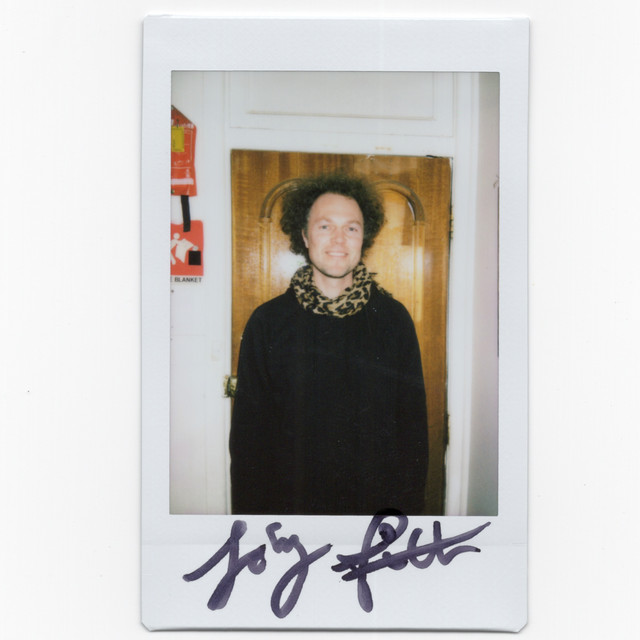
Poet Toby Fitch talks with Matt and Aiden about their book Or: an Autobiography, the poetic voice, gender, puns, calligrams and images versus words.
Transcript
There was a guy who really, there was a guy who used to be in my tutorials, I’d love this guy. And he would come to class in like a suit, but he was like 18, you know, and he would smoke a pipe in that smoking area and he was kind of pulling it off. But like, I love the whole conceit of like the 18 year old English student. It’s like, yeah, I wear a suit. I go to my tutorial.
It’s awesome. All right, kick us off.
Hello. Yeah, I’m a poet, published a few books, I teach creative writing, and I’m fairly ensconced in the poetry world, having done, you know, various editing roles and the like. Yeah, there was this short lived
event series called from an organization that doesn’t exist anymore either called the Center for Deep Reading. It was run by a guy called Nick Keys. And the first event was called Wolf Down. And those involved in the event were to deep read a novel by
Virginia Woolf and then come to an event and each of us would talk about that particular novel. And I was, I guess, for children, fortuitous enough to be able to get Orlando. I had some sense that it was going to be of interest to me. I was starting to think about my
body and my gender and gender fluidity and my feelings about androgyny. And I read it. And yeah, I presented on it. And I didn’t really present on it. I just read from the poem I started to write so. Yeah, yeah. Like I was saying, you talk about a little bit like so in
the book in Orlando, Orlando is writing this poem for like hundreds of years. And you talk in your book, Toby, about this poem, this collection or this, this book or sort of reflecting that. It’s like it was like 10 years. And for me, I was saying to Matt, like, it kind of like, took me 10 years to read. It was really funny.
Like, I had this book with me for so long and it came with me through, like, different relationships. And I never could quite finish it. And yeah, it was just a really profound book. And I knew nothing about it when I read it. So it just had this, like, huge surprise. But then that first, like, gender turn, I think Orlando was like on a boat. And it’s almost as if nothing’s
happened. Like, it’s just like, you know, it’s not. It’s just like, it just happens. It’s not like, and there’s this big grand changing moment. It’s just like. Yeah, it is. It’s, it’s like the major rupture of the book, but it’s always happening throughout the whole book. Like you look at all the different moments in the book and all the different sort of discourse on, on fluidity,
basically. And it’s, yeah, it’s arguably always happening. And it was actually the the other rupture that that caught. Of course, that one influences my writing and my book, but there was there’s the other rupture of Orlando burning their entire poetry of because of the
feedback they were getting from was it Nicholas Green or whatever it is that is. Heartbreaking. About, about their poetry and, and it, it gave me the idea to, to burn my copy of Orlando. And from there, the fragments of the text that remained sort of gave me direction on putting it
together. And so I, I burnt it ritually in my back garden. I actually have this exact edition you’ve got there, which was published on my birthday. If you, if you look at the date in the back, which was a weird kind of coincidence. So it all felt like it was coming together personally, just for me.
Yeah, I guess that the book, the book probably has that effect on a lot of people. I think so, yeah. But you have quite a few synchronicities you’ve had like with this, the portrait as well. Yeah, yeah. Yeah, yeah, I’ll, I’ll get to that. But the the burning seemed like a good idea and it worked.
And so that started to help me assemble basically collage this poem like almost chronologically, every phrase is almost in the order in which it happens in in the book. And so that’s this long poem called the Oar Tree, which is an alternative version of the fictitious poem in the novel that Orlando’s writing for 300 years called the Oak Tree, in
which they published to great acclaim as a woman much later in at the end of the book. That’s the only poem they didn’t burn. So, but it’s never never quoted from it yet in the novel. So like, I think, I don’t know if I’m probably not the first person to think of it, but like,
you know what, what was that poem? What is it? And so I wrote a speculative version of it using Orlando’s words, and it worked out fun because every time that I would graft these phrases together and sometimes tweak them and play with them, they started to talk
to me, talk about life and all kinds of things. And, you know, it’s quite expressionist and strange and abstract. But yeah, it was 1 long poem and I ended up breaking it up and into 70 sonnets that flow into and out of each other. And they’re kind of, yeah,
shapes on the page, which are also, you know, amorphous in that sort of fluid that, you know, that idea, idea of gender fluidity. But yeah, so with the portrait, when I was on the front cover of the book, there’s a picture of someone who looks a little bit like someone a little bit like
me when I was a little bit younger to some degree. It looks a lot. I thought it was you when I first saw it. I was like, oh that’s so weird. It’s weird some people can’t see, yeah, the, the likeness, but I saw it immediately when I was going deep into Google Images, looking at covers of Orlando in, you know, just one
of those random research type of things. And on the on the cover of a foreign language edition was this Spanish or Portuguese edition was this painting by an androgynous painter called Andrew Romaine Brooks from, from the early 20th century, who, Yeah, did lots of self
portraits. So it’s not me. It is Romaine Brooks. But you know, in this new context it is made to some degree. And then I took the actual burnt fragments that I cut up and started to paste them over that and that that turned into a collage that features throughout the book. So yeah, I haven’t read the whole book, but I read most of
those I think. What do you call it? Like the understory? And I was thinking like 1 reflection I had was or you talk about them as like reflecting the poems or like roots. And they’re very much sort of connected to the text, like the meat or the poems. But I was like, oh, if you didn’t like you could put them
like, I don’t know, a famous footnotes book is like Infinite Jest. I mean, and that has a real physical. You stick them at the back normally. But even as I say that, like Wallace wanted you to sort of like have to keep going back and forward. So there’s always a play with like the physicality of the book as medium. And then like as I was reading, I was like, this kind of feels
like an artist book at a certain point. Like it’s no longer just like the book itself and all of the bookness of it. And it’s, you know, and then at the end we’re like we both noticed there’s like 4 nice blank pages at the end of the book, just like a palate cleanser. But yeah, I guess like maybe. For your notes. Yeah.
Or maybe, yeah, exactly. Maybe for your notes. But yeah, it was, it was really interesting the way that it sort of forced me to contend with, you know, sometimes with a, a volume of poetry. Yes, the volume is beautiful. I really like the way poetry books feel, but I’m not always aware of them as you know, books.
With. The paper and the. Yeah, that was never a conscious decision. It was always a weird project and it needed to find its shape and form. And I mean, it needed to be non linear and it’s too non linear for some. It certainly was for one publisher.
That was the exact feedback they gave me. Yeah, like whatever that means because. It’s funny because it’s it’s actually incredibly linear with regard to like both the top and the bottom of the text. Like the it’s in the same order as the the original like Orlando, right? Yeah, but I mean 6 chapters.
Like Orlando? Maybe they if they don’t know how to use the word non linear then they shouldn’t be in the poetry publishing game. Would you call this poetry? Yeah. Yeah, yeah, I think so too. I mean, the, the, the understory I would also call like a poem, but an essay poem. It was like I said, and we
started discussing just footnotes and those, those were I, I was prompted to find something, find a way to ground the book. Yeah. Because if you just imagine the book with just the Orlando poem above it just that goes through the book. Yeah. It might just be too abstract.
Yeah. For some, Yeah. You know, there are plenty of books that are way more abstract poetry books that are way more abstract. And so it it it can just be a question of taste. Yeah. But I did, I did appreciate that concept of like thinking what other ways are there to diversify this work and around it. And the footnotes actually made it less grounded because like,
like the understory said, so they were like jets of urine aimed at flowers or something, because they were just tangents away from the Palmer game or into something else. And so I kind of kept those footnotes in the location where they mostly were and wrote kind of wrote around them as a, as a,
a kind of autobiographical essay, which has got citations in it to lots of, you know, thinkers that I was and other poets and, and artists and stuff that I was thinking through and writing around and that were influential. And, but also trying to tell my story in a way.
And a lot of it’s memory and stuff about, you know, growing up in dysphoria and dreams and. Yeah, it strikes me as like incredibly vulnerable, which I I enjoyed a lot. Like feels like a very, very vulnerable book. And then someone we’ve had, I forget who. It was a great art show. We had someone was like on the
room sheet, sheet afterwards was like, what if we just made like a really, really vulnerable show? And I think it’s something that a lot of artists, it’s like we’re contending with how vulnerable we’re willing to let the work be. And you also have a line in there, something reflecting on like, you know, you can read someone’s poems and still not know very much about them.
But yeah, I guess they’re just. Or their gender, Yeah. Or their gender, yeah. Oh no, their gender. And not know very much about. Them Oh yeah, yeah, yeah, yeah. Just any thoughts on that? Like it’s, it’s, I’m super, I’m really impressed as a writer and artist to like. Yeah, this was the most, this was the most difficult book to put out into the world for me. My books have become more, have
become increasingly autobiographical, like I’ve started to even name people in my life in my poems, which I didn’t used to do. And, you know, seek, seek their permission where appropriate and things like that to, to think through those things and where I can or where it seems necessary,
ask them to read the work before I go further with certain things. And that certainly happened more than with this book than any other.
But yeah, it’s, it’s a difficult one. It’s, it was. I think that’s also why it took so long to find the right words and to also find also reach a sense of peace about, you know, exposing certain details of 1’s
life that you probably, I haven’t even necessarily talked to many people, if anyone, about some of the details in there. Yeah. Right. Yeah. Yeah. Yeah. I mean, like you, you talk about like your kids and your partner and stuff. It’s like, you know, experience that like, you know, at least having kids isn’t something that we, you know, about like, just as like sort of like young artists.
But yeah, it’s just amazing the way that your, your life is sort of enveloped as well as this like fictional thing. Do you like, I mean, I don’t know, do you, you must, do you feel like this, this work is finished? You know what I mean? Like is is the OR is or still going to like go on after this ‘cause I know that the, you
know, the you get to like the end of Orlando with your poem, but what do you think about? That no, it’s not finished. I mean that poem’s finished. I don’t know about the characters being the character or being finished or being the redacted version of Orlando, but and that turns into many others.
It could be it could be fit the Sackville W. It could be Virginia Woolf, it could be me. It could be the reader, but I, I, I mean, the next the book I’m nearly finished working on has become, yeah, highly
autobiographical. And it’s a lot about a lot of bigger things in the world in some ways, you know, politically speaking. But I’ve written a lot of essay poems in it that are very autobiographical and they seem of a similar sort of tone and register to the understory in
this one that that’s one thing I’ve I’ve got this plan I’ve had or this idea for a while to write a book, to write a first novel. And I, I mean, I proposed to do a verse novel for my creative writing PhD back in 2010 or 11 and never went through that, just did, did the other things I
was interested in at the time. But I’ve always wanted to write a verse novel. And I do have a character who could be, you know, a kind of blank page or a blank canvas that a lot of these kinds of things could go through or could be projected onto. The artist, Sidney Nolan had a
had a kind of avatar or like pseudonym. What’s the other word for like another? Oh, like a sort of pen name or? A not a pen name, but like a another identity in a way when he was young and at Heidi with those other artists sort of mentoring him and the name was
Robin Murray and he they were I I don’t know if Sidney Nolan applied pronouns to them certainly probably didn’t at that time in a particular way, but they were supposedly gender nonspecific or gender fluid in some kind of way, which has it’s only a small detail in biographies of his.
But I kind of want to think about that character as someone in a verse novel. And you’ve got Sidney Nolan, you’ve through Sydney now when you’ve got Arthur and Bo, you’ve got Ned Kelly, you’ve got all these strange sort of like rebellious figures that could be anyone or anything that could
come into the writing of this character as well as the author themselves, such as me. And, you know, a character like, or so there’s, I think if I ever get around to exploring that, I think that could be a, a, a continuation in some kind of way. Yeah, a lot of your a lot of your poems are, but also they’re not just like for hearing and
reading. They’re also things on the page, which is like such a fun disruption to like this sort of tradition of poetry. Like, you know, what Aiden and I often say is that like, you know, we should all be jealous of the poets because they only need like if they even need a pencil and paper, like if that, you know, you could just go out
with your voice and be the poet, right. So it’s just sort of this enviable position, but like you have decided to sort of trouble it or complicated it with like the page and printed matter. Is there like a sort of like a sort of special relationship you have with paper and ink for for that reason or? No, I, I really, I still don’t
know why I’ve really why I’m why I gravitate towards taking, you know, the left to right lines and, you know, doing something different with that. Sure, I’ve always been drawn to experiments and and playing, and so it’s born of that.
But I’m I’m always like trying to let the poem find its form. I mean, I’ll sometimes apply fairly strict constraints and, and be like, yeah, I think this one should should try to be a
sistina. Yeah, I might, I might do that kind of experiment. But when it’s just happening on the page, something happens in the words, in the phrases something. It’ll it’ll suggest something to me that’s like, could this could this turn into a shape of some
guy? And and I’ve obviously spent many years tinkering and sometimes it. Yeah. But I, I never want this. I, I rarely want the shapes to be that specific, like the the tradition of those kinds of visual poems, which are
kalograms, not necessarily concrete poetry, although some people call them concrete poetry. But kalograms are shaped poems that are like, you know, they are what they are trying to write about shape. Of a bird. Yeah, yeah, yeah. And you can see plenty of ridiculously fun ones on the Internet, like a cute cat or something.
Someone’s written their dedication to their cat in the shape of a cat. And it’s. It’s lovely. But I kind of want the shapes that I write to be much more ambiguous and suggestive. So there might be a few different things all at once. Yeah, for sure. Yeah. And that, that that’s that it’s further layers.
Like, that’s what I’m. That’s what poems are always trying to do. They’re trying to complicate meaning. Or at least give us various meanings so that we see the complication, the complicatedness of of existence and our thought processes and our consciousness and, and all those sorts of things all at once. I mean, that’s the that’s the the sentence I would try and use to explain it when someone’s
like, but what does it mean? You know, like just Speaking of any poet, It’s like, well, the the meaning like isn’t even the heart of the issue of like the the organization of like poetry, right? I mean, that’s, I mean. Yeah, no, that is really beautifully put. It’s funny the the meaning question because it comes and goes, but it’s still very important that the poetry me the
poem, despite it’s like the the fun thing about that it can break away from logic, but still, it must have. I mean, unless you’re trying to. But to me, like the worst poetry is the really early poet who thinks that just by not having. You know, meaning we therefore have a poem like, yeah, we’re
complicating meaning, but we still want to, you know, use the hyperspecificity or whatever to try. And you know, you still have to agonize over the over. The Yeah, You still want someone to read it? Yeah. I mean, how do you think of your reader approaching ‘cause I mean a a lot of people are scared of poetry, let alone poetry that then bends the page?
Oh, some. Some of my work is definitely more accessible than, yeah, parts of my work.
And but I, I mean, I guess I, I always come often come back to a quote by Arthur and Beau, the, you know, that awful child of French literature who did so many naughty things.
His mum asked him, well, what do your poems mean? And he was like, they mean what they say in every sense, yeah. He used that phrase in every. Sense, in every sense. Right. OK. Yeah, yeah. Beautiful. I’m not a huge I I find the poets that are translated like quite hard to I’ve. I love to read it but I find it
so hard to get to the end of like a collection of Anna Akmatova Rosling because I’m like this is gorgeous but am I missing some? Huge things. By not understanding. What I used to think that like I was like, oh, why would I? It’s just a waste of time to read a translated poem. Like I, that was my early thought. And then I just had to like make peace with the fact, at least for me, that it’s a second, like
it’s a new work again, like it must be. And then that has it’s own. There was a fraying thing for me actually in my early poetry writing days, when I started to take it seriously read, I read a lot of literature and translation poetry and translation from the French to the Spanish to the Russians, South Americans, all, all kinds
of stuff. And that’s what I was most drawn to. And I think it was because I wasn’t I, I didn’t have to be so bound up in whatever sacredness was around the original. I could go go to it through a filter through a translation and and be like, well, you know, I can try out my own poems in the same way that these are tests
of, of poems. Yeah, for sure. I mean, I feel like a lot of your work is, is almost it’s, I don’t know if you could use the word translation. Like we kind of were trying to figure out a good verb to describe what you do. And like, we were talking about the word integration with this autobiography or like it feels
like completely like enmeshed with the text, the original text. Do do you have like a way that you think about what you do? Because like, I mean, you know, we also have a copy of which one have we got here? Like the blooming notions of of other and Bo. And it’s like it’s it’s not like the same kind of endeavour where it’s, you know, sort of like meshing up with the text.
Do you have a sort of one method that or is this just a whole world that you’re playing in? Each book has been its own thing in a way, and each book is its own problem to solve.
That book was my 3rd, technically third book, maybe my
and it was, it was end up being the book I wrote for my PhD thesis. And I was, I had come up against that like classic young writer. Oh, I’m actually, I’m not actually able to write just through, you know, my wits and my inspiration, you know, I’ve actually hit a what some call a,
a writer’s block or whatever. And so I was, you know, because I was also under contract from a university to try to write something, not just a book, but a thesis.
I started experimenting with all kinds of ways to generate poems. And that was a literal translation sort of generative project where I was mistranslating the poems of Arthur Rambo because I was highly influenced by him as a,
as a young wannabe. And I wanted to get to the bottom of it and kill that influence in some kind of way. There were also some interesting things for me just because you know, there’s some, there’s some small detail in his biography where he he, I forget which, it’s a while ago now that I did
all that research. But he was like, he, he came to
Indonesia as part of the Navy. I think it was the Danish or the, I can’t remember exactly which, which Navy. And then he when he got there, absconded, Right. And he was just across the way from Darwin. Yeah. Wow. And there are some there are a couple of odd like words that come up in his like interesting in his letters and these letters
and maybe even some like, you know, random poems that he wrote that suggests that he might have come across Australia to some degree on some level. And and so a question in the back of my mind was, well, you know, what would he be written if he came down under? And so interesting these were that. So it’s it is a kind of similar
project in a way to or an autobiography. It’s the very enmeshed in another writer and in other texts. And I did all kinds of weird mistranslation things to take his poems from his book Illuminations or Laser Luminacion. And I, yeah, did my own basically upside down versions
of them down under inverted versions. So they’re back to front in content to be real to the original translations. And of course I’ve used all sorts of techniques. And so they’re, they’re so distant from Rambo’s poems. They they, they share a bit of spirit with them, but they’re, they’re quite distant in that respect. But what was?
What was the original question? Well, just like the the like just thinking of a verb to use to describe that process, I suppose. Yeah. Experiment. Experiment. Yeah, yeah. But that, that was a a very sort of rigid period. I feel like in my writing, not,
not in a necessarily, Yeah, not in not, not necessarily in a bad way because it was really generative and I wrote stuff I would, you know, I’d like to return to in that in terms of the, the surprise it gave me that I created those types of poems from those experiments. And, and since then my practice
has continued some of those things, but more loosely and has gotten back to just writing freely, more and more freely. And so I might use any or a combination of, of, of approaches to write new work. So it’s, it’s what’s a good word for mixture combination, you know that that’s what I do, a
hybrid, you know, I’m running in hybrid modes. I know the time I was glad I had a look at your Instagram and I was good to see. Was the title inconsolable? That poem, is that the title about your kids? I love that poem, but it was like, Ah, so there are still just like left justified. And that made me happy because I was like, I was talking about like I was kind of trying to
draw some analogy between like a figurative painter and once you go into out like representative and abstract and it’s like sometimes once you’ve seen through the other side, you can never go back. But I was like, ah, this even like as and some things you’ve said, it’s like making sure that the poem always finds the form that best suits it and that you
still have poems and ideas and expression because, you know, the left justified world is still. Very useful. It’s endless. Like, you know, yes, I was. I was happy to see that and I really loved that. And there’s always a push and pull with any other practice, we’re always kind of like trying to go a bit out there and then return to our sort of core or,
or roots or whatever. Like there’s always a push and pull. There’s always a tension that’s that’s actually necessary and and productive. I think when you. Yeah. Sure. Do you making you know poesis means to make so? Right. Do you, do you see like things that you feel you can write
about or that make their way into your work in like the sort of art, visual art world here? Like do you, do you feel like connected to that stuff or is it, does it interest you? Absolutely. I liked your analogy. I’d like to think that, you know, that I could be considered
one of those poets that is like a painter poet or like I’m always thinking about the poem. Maybe not yeah, as an object or, but also, you know, as as a kind of, yeah, dynamic space that’s
visual as well as it’s, it’s all the senses. Like I know it’s just words on the page, but it’s like I do play with the visual a lot more with other poets. And I’m also, I’ve also got a music background and so I’m highly sort of attuned, trained to be attuned to the oral and the oral, yes. And so that’s kind of always
like there’s always, I’m always thinking about the musicality as well. So. I wanted to, yeah. There’s always cross crossovers in the arts for me. I wanted specifically to ask about that the sound of the poem because I find when like friends who are like into art but maybe haven’t quite got into poetry for a long time. I’ve guess I’ve just been
reading poetry aloud to myself and for me it oh, you know, to Matt or Matt’s reading poems to me and it feels like. More people should do that. Yeah, it’s weird. It’s weird. Yeah, I remember being. Fashioned weird thing that we do. But but the whole poem to me, like I’ve had this, I had this
weird moment with a oh, God, who was the poet? Can’t remember the poet, like the really famous one from the Harlem Renaissance, but I remember reading, he’s super famous, but I can’t remember. Anyway, it doesn’t matter who the poet is. But I remember reading one of those poems aloud and then like, I’ve had it here and there, but
having this like, really profound sense of communion, like as if the, the poet and the poem were in the room with me. And I come back to this feeling of like, it’s almost like being like, I’m not a musician, but reading a poem feels like you’re like being given the ability to sing, like, in a way, because
it’s like, all you need to do is to read and to speak and you get to sing. And I was like, wow. And then I was thinking of, yeah, that I just, I guess I just want to hear what you think about that oral element. It’s also something when I’m writing that I feel like if I don’t know where this poem is going, I can just write a note like to myself, like sound like song like.
But if I don’t know where it’s going, at least I can think about how it sounds to sort of get me back on track. That might actually be one of the better definitions I’ve come across for voice, poetic voice, which is voice in writing. You hear those cliches in creative writing classes and it and even more so at writers festivals about the writers
voice and that kind of stuff. And I always have trouble like trying to explain to my students who I teach that, you know, it’s not as simple as finding your voice and that kind of thing. You’re constructing a voice, but you talk about occupying the
voice of a poet and kind of hearing that song through your own vocal chords as you read it out loud. And that’s, that is, that is the voice. And yeah. And you as a writer, you’re drawn to, to find it or to, to modulate it, I should say, in
different ways at different times in your writing life, in different directions, intuitively to to kind of explore that voice. What it what is, what can your voice produce, you know, on the page and out loud. And what I like to think I’m doing on the page is also
something that can be also done out loud as well. Yeah, yeah. And like, you know, with the more like visually experimental stuff, it’s got this like sort of like kaleidoscopic sort of reading, right? You know, like, I think one of these poems in, in other ambo,
it’s like, you know, it’s like the shape, the shape of a star. And it’s like, I, I just remember really enjoying that. Like which, which line do I start on? You know, which, which is the question. Like it makes it, it makes it so fun. Can I tell you? Well, you usually get to. I think, I think it was Sunny Voices, Sunny Voices yesterday.
But I did write, obviously, so that each each line going around the page would continue on and you could go on forever. Cool. There’s a couple other circles in there that do the same trick. Yeah, in the book, but. Yeah, and just going back to it, yes, I love it. The visual thing I. Saw another dumb pun.
Yeah, I was saying Toby is not afraid of a pun. Yeah, they’re punks are beautiful. Beautiful. Yeah, I like it. I’m. I’m like, damn, you can do that. Still Jose saying oh, yeah. In the there’s just a photo on your Instagram of an install of or with some pages like printed out and like sort of it kind of like gallery style.
And I was like, they look kind of small, like I wouldn’t really be like leaning over to read them, whereas like, so they were just their visual shape. And just going back to that, like poet, painter, something that Matt and I talk a lot about that’s quite interesting, especially when you put it in a sort of gallery window context. It’s like the different, I guess
you can turn up or down the different parts of these poems. Like if you print them big and put them on a wall, it’s like we’re talking about their visual form first and foremost, you know? No, that’s right. Like that’s also one of the best benefits that I use in my teaching to describe, you know, pieces of writing to my students. It’s like each any, any text will have, you know, certain things turned up on the
amplifier and something’s turned down. And yeah, the visual was definitely turned up in some of my poems. But in that, in that instance, I’ve, I’ve done that a few times where I’ve been able to exhibit or have have visual prompts around while I’m doing a reading or something like that in a gallery space or at a book
launch. And I do want them to be seen. There’s a kind of in those amorphous shapes as I described them, there is an effect on the body when you’re looking at it and reading it. It can be disorienting for, for
hopefully good reasons, you know, for productive sorts of interpretive reasons. And it’s a point of interest as well. But yeah, having them not yeah, you can, you can read them in the gallery, but you see the shape 1st. And that, that that is that is
the point. I actually blew one up at A at a Yeah, at snow. The the what’s it called? The Sydney non objective. I was part of an exhibition there and I got a room. Yeah. And I filled every wall, but on one thin space of wall, I put this this long, like cyclone shaped poem.
And so it was much more readable, but it was also much more imposing. Yes. And kind of fun to do that. I love it. I took the title away as well. Yeah. Nice. For for that exhibition, for all the visual poems. Interesting. Every title away, yeah. Do you have any thoughts on titles? Me and my friend were just
fighting about this. I was like the title. I was like, I sent her a kind of crappy poem. And then I was like, I was like, I’m thinking of changing the title to like, this or this. And they were like, titles don’t really matter. Like, you know, if the whole thing depends on the title, like, you’re kind of fucked already. And I kind of like, later on, I
realised they were like, go, stop worrying about the title and fix the poem. We got into this fight about like, you know, whether titles are important. And they were like, they’re not important. And I was like, they’re so important, like. Yeah, it can be symptomatic of a problem with the POEM if the title’s not locking into place as well.
They, they are. They are, you know, symbiotic in some kind of ways. But yeah, sometimes a poem needs the right title, but sometimes it doesn’t need a title at all. And that’s, that’s another risk. A lot of poets over title things. I think I, I, I certainly have some long titles, but I feel they’re necessary when I do them. I guess by over titling, I mean
like, you know, you know, those series of poems that have, you know, parts and all that sort of things or series sections of a book. Lots of poets love to title everything and it’s like you just you’re putting lots more boxes on on the work that you might need in some cases, not
all cases. So yeah. Yeah, interesting. Yeah, yeah, I really, that’s the kind of thing I really agonize over. I mean, just like the the like I write a lot of lyrics. I’m a musician as well. And I, I, I really agonize over the, the lyric sheet, even though I know that the, the actual words are sort of for a lot of listeners, especially in
the first time in the background of their comprehension of the whole thing, right. You obviously have some experience with music like you, I think it’s said somewhere, was it in the book or somewhere we found that you had written songs at some stage. Did you like, did you have that same kind of like poets thought of, you know, this all has to
make some kind of like it has to make satisfactory sense to the poet brain as well or. Yes and no. I think in in pop songs in particular, you can get away with a lot more openness and ambiguity or less, less precision than you need in a poem because you’ve got the
music. The music can carry all kinds of effects, layers of effects alongside certain lyrics. And the trick is actually less is more most of the time.
And I’m deeply embarrassed by my songwriting years. I, I, I, I, I know some of them were probably good, probably fine. But yeah, I, I, are there any. I did it for a long time. Sure. Yeah. And had some interesting experiences and really fell out with the Sydney music scene.
Really. That’s interesting. Yeah. Yeah, that’s interesting. I remember. Me someone. Yeah, someone stole our money. Stole your money? Yeah, yeah. A producer. Just. It was just I went like I went on hack, Yeah, and exposed them, Yeah. And they left the country, but they were still out of pocket. Oh my God, yeah. Wow. Can you tell the whole story or is that is this sort of legally
like? Oh, it’s legally fine. What’s? The statute of limitations on stealing musicians money? Well, they imagine it’s about 3 weeks. Well, the produce well. I can give you another snippet though that produces partner who was the like music engineer and also one part of a very well known Australian electronic band.
A duo, perhaps? Perhaps. And yeah, his his lawyer father contacted me after the hack thing and agreed to give back his share of that money if I didn’t go public about it again. Interesting. Yeah, wow, I’m OK, Can probably say that much.
Yeah, yeah, OK. Sure. Are there any lyric sheets that you would consider reading just for the pleasure of reading them? Like, you know, I’m asking about music that you like, I suppose. But you know, for you is it, is it ever that like separate of a thing? Oh yeah, I’ll always.
I was, yeah. Since becoming a a writer in my early 20s, I definitely took much more notice of the lyrics. And so I’d always want to, you know, study the lyrics of different musicians and bands and things like that just to
kind of try to get more of a sense of what what is being said. Yeah. Interesting. I think in that big Norton, it’s funny, Like my poetry reading career started. I forget who the lecturer was, but he got like fired for saying a bunch of racist stuff. He’s like a real old U Sid guy.
He would wear like the gown in the hall and read Browning and stuff like. His name? Yeah, I’ve forgotten his name. I never, I never took that class. I think it’s probably. Just before you started teaching it. It was I was working in second hand. Great. Books. And just after he got, I was doing my PhD at the time, and
just after he got fired or forced to resign or retire, all his books from his office turned up in Glee Books, second hand,
lots of great poetry stuff. And but he’d written in pen in the corner of the front page of every book, with his name and his, you know, professional title and everything. That’s funny. Very, you know, it was very authoritarian. And this is my, this is my object. Ha ha ha. I cut them all out with great Glee and nice took photos of
myself doing it and posted that on Oh awesome. Yeah, we’ll do it. We’ll have a funny picture of him for the post. We’ve got this. Name. Yeah, we’ve forgotten this name, which is probably a good thing. But for the for that class, whatever it was reading English text or something, we had to get like the Norton Anthology, like the big thing, I remember it was like 100 bucks and I was like 17. And I was like, oh. And so that book then sat on my
shelf for years because nothing in that class like inspired me. And then one night I just like opened it up at a random page and I was like this like works. I wish I remembered the poem. It might have been like a flat Adcock or something. And then from then I would just keep reading from it and reading from it and Anthology like the Norton Anthology. Yeah, whatever. But it is quite good if you
there’s some. Amazing stuff in there. Yeah, you can still find, you can find some great stuff in it. But yeah, I think it has Bob Dylan. Even if the page is a tissue. Yeah, exactly. Yeah. It has boots of Spanish leather in it. Yes. At the end as like a poem to answer to your question, it’s like it’s like, you know, historical.
It’s like it’s almost an appendix. I think it’s like, here are some songs that could be considered poems. But I remember, I remember reading a poet talking about this, and it was like you if you can read a, like, a lyric sheet and find music in there and find it beautiful without the music, this writer was like, you should
be a musician, not a poet. Like if it’s still, you know, like, yeah, because they’re saying like we’ll never quite. Yeah, it’s funny. It’s so backwards to the way I usually think about composing, like lyrics, I guess. But yeah, that’s that’s. That always stuck with me about that, like particular question that like, if it does, it
should. If it’s just lyrics, it should sort of fall flat in some way because it. Yeah, shouldn’t have the precision. I don’t know whether I necessarily agree, but it’s stuck. With, well, it’s sort of. It doesn’t always have to. Sort of bend it over the framework, exactly the measure or the. Or whatever, Yeah. Yeah, exactly. Which like sometimes like when I, when I listen to those really
big pop songs with like the really big dumb simple language, I am amazed by it. It can come off as like a kind of precision like, like, I don’t know, like any like big hit, you know, especially before, like, yeah, when we’re this era that we’re talking about, like 2016 when things were a bit less
like, I mean, every things have been made by committees for like since, you know, Elvis’s time or before. But there was just there was definitely this sort of sense of like the authorial voice coming out of like people like even like Beyoncé and stuff. It’s like, like when I think about the the lines that they chose for the song Single Ladies, for example, it’s just like the, the beautiful, like
the metrical like feat of it are just like, so it’s, it feels like so well put together in that kind of way that you can just hear it once and this you’ve remembered it forever now ‘cause it’s so sort of simple. So I’ve always, I’ve always found there’s a big appeal to me in that kind of like very. It feels like, yeah, made in like a military lab kind of
language. It’s like so interesting and memorable and yeah, it’s fun stuff to puzzle over ‘cause it, it can sometimes feel like a Sudoku or it sometimes can feel like this very like sort of funny, like way of speaking that’s completely unnatural, you know? Yeah, I don’t know. I haven’t really. I haven’t really examined it too, too much. Yeah, it’s yeah. It’s an interesting question.
The yeah, the, the troubling of it, of it in some ways, or the,
the, the difficulty of I don’t know. We we always have all these big categories and, you know, Lewis’s poet, songwriter, what have you, you know, Bob Dylan winning the Nobel Prize. There’s always people who have got problems with it. But, you know, we’ve, we’ve we’ve been blurring genres forever.
And that like, there’s something we can do about that. And there’s probably a good thing that, you know, many singer songwriters get called poets who like, I don’t care. It’s sure. Yeah, it’s cool. Yeah, yeah, yeah. Nice. No skin off of my back. Hey, we’d we’d love if you would read something to close out this episode.
Is there something you would want to read from AWE? It’s a tricky 1 to read from, yeah. We’ve got a few of you. Can choose yeah, with you choose. Anything that anything you’ve got a lot of on this. Table just for the to paint a picture. Yeah, that’s that’s covenant books. Yeah, what? What if I actually read from the book I mentioned?
That sounds fantastic, that. I’m working on at the moment. I could read that shortish 1 inconsolable poem. Sure. Oh, that’s from the the same collection. That’s from something that’s come will eventually come. Out. Yeah. Cool. Yeah, please. That poem has been published, so and you mentioned it. So it seems appropriate to for listeners to hear something that we’ve talked about.
But the book is, it’s a tricky one. That’s not the tricky one to describe. It’s it’s, it’s easier, it’s more accessible in lots of ways, but it’ll have some visual poems in it. It started when I wrote an essay poem on all the and mammal
extinctions that happened in that have happened in Australia since colonization, which is at a rate 10 times that of any other country in the world and the the same time span. So since I wrote that, I’ve been trying to, I’ve had this endlings word in my head. It’s part of the title of the book or the working title of the book called Of Endlings and
other Poems. Endlings. Yeah. And you know, I’ve been thinking, I’m thinking about extinction and existence, colonial colonialism and war and genocide and all sorts of things in the poems I’m writing about them. And I’m also thinking about how to raise children into such a future which may not exist for, for, you know, our children’s
children’s children or whatever. So my children come into the poems a lot. And so that that is heaps of context for this poem, which is called inconsolable poem. My partner and I had a recent third child which was an
accident in a way but we embraced him and his name is River and this is one of his moments. Inconsolable poem, but it is the end of the world to River who’s standing there, thrown by its incomprehensibilities as I play
him R.E.M., which is otherwise what he needs. Total sleep and churning dreams, not the drums, distortion and irony. He did not feel fine, the Furies cascading from his tongue, and nor do I. It’s the end of the world, but he doesn’t know. It’s confounding divisions make me want to ball too, not least at the edge of this room where I’m foundering, refusing to give
in until I hand him a ball, bright orange, to which his eyes reconstallate wetly and miraculously, he chucks it back. We rolled around, and like a quoll, he’s after it. I hurled against the chuckling bricks, then onto the ground. It rebounds to the ceiling, ricochets off the walls, all about his boxy room like a lost comet.
I’m picking him up, throwing him in the air, and he bounces off the ceiling and walls of my heart, his inconsolability reversed like a storm retracting into cloud where a waterhole of frogs, a crackle of cockatoos. He’s hooting like a caca, laughing like a goose, splitting the sides of time and space as a dodo resurrected. He’s a whole new feeling world,
limbs falling, hurtling back in from Love’s outfield. Toby Fitch, thank you so much for joining us today. Thanks for having me. Yeah, it’s such a pleasure. So many more questions. Let’s have you back at some point, please. That’d be great. Yeah. Cool, cool. OK, goodbye audience.
Show notes
Matt and I have been reading Toby since we lived a Marrickville warehouse in 2017. They are currently a senior lecturer at the University of Sydney for creative writing and former poetry editor at Overland Literary Magazine. Toby has published nine books of poetry including the topic of this episode Or: an Autobiography published by Upswell Publishing This week we talk: The poetic voice, gender, rupture, puns, being a parent, calligrams, when Rimbaud came to australia, images vs words, left justification, and getting scammed in the music industry Episode in bio. Follow us on IG at: @hungup.au