6.12 The Gum of a God with Steph Nova Milne
With hosts Matt Sitas and Aiden Loughlin · · Listen on Spotify
Guest: Steph Nova Milne
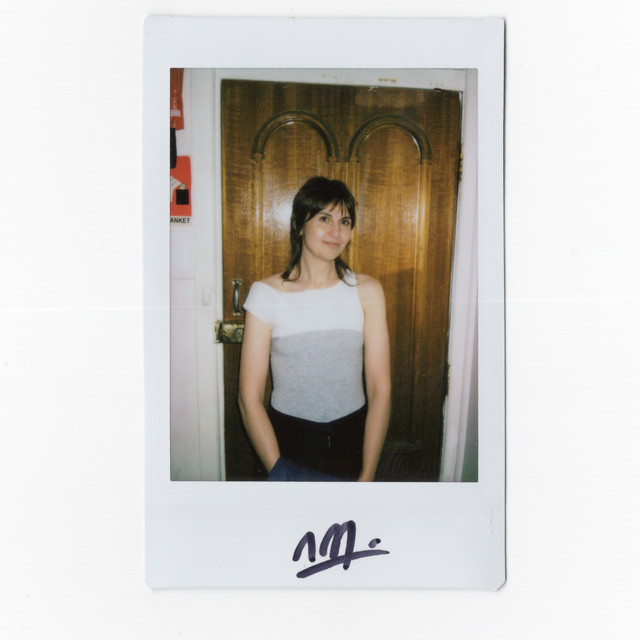
We sat down with one half of Nova Milne, Steph Nova Milne, Printmaking Lecturer at National art School.
Transcript
Yeah. This is an interesting model you have. It’s like very like Situationist. Yes, we love the Situationist. I think that’s what drew me in, yeah. Because normally these things are very much directed at like there’s sort of a professionalised model. Yeah, I’m. I’m waggling my finger at that. I’m. Yeah, I’m definitely on a sort of deprofessionalised. Yeah.
So I was like, hang on. And I I’m frequently would say no to doing like radio interviews when we have a show or when it’s like about a promo or something. But I was like, this is actually like a situation. You’re like setting up the conditions. Yeah, yeah, yeah. Like we, we’ve had a lot of discussions, especially when we were like at uni and like
hanging out like intensely, we used to kind of live together. But before that we used to hang out and have these long discussions about like, yeah, Situationist International and like that whole approach to like looking at ACD. Like that was the thing we were, we would, we would talk about that a lot. And we were, we were obsessed with that. Yeah. The material is the happening. Thank you.
Yeah. Yeah. And where just the material? Just setting up the condition. Yeah, I mean, I think like it’s like for us, like, you know, we, we did notice that like there’s a complete like paucity of like reporting on arts in Sydney anyway. But like, we’re not journalists and we’re not going to go and like, I don’t know, like write a really beautiful article and
like do this whole thing for for no money. We would much rather like have a really fun like conversation with people like for no money if we just had to do it one way or the other. Although we are, we are open to sponsorships like just as I, as I mentioned every now and. Then, although the situation is for actually very much like the. Whole subversion was like. Get out if you get to.
Like, too bad. I like this. Yeah, I, I, I hope when the situation is tries to stop me up at the pub about selling up for a whatever, I don’t know, We we keep joking about like a kebab shop should sponsor. Us. That’s true. That’s true. I mean. Yeah. Like a sort of local type of thing. I think our first episode of
this season was with a chef called Gaia, and they were saying some things that this conversation reminds me of. And one of the things that I feel particularly upset about or allergic to is the sort of professional tone that it feels like a lot of culture is gravitating towards.
And it really makes me upset when I feel like as someone’s voice, they feel like to be legitimate, they have to conform to a more and more corporate, you know what I mean? Like, I mean, it’s kind of obvious thing to say, but like the little personal branding. So just from, yeah, it’s, it’s I, I appreciate you saying that because I think in a way we have
been quite intentional about wanting this to not fall into that. Like just even before you came, we were like, hey, let’s do less marketing. Like we’ve tried. We’ve yeah. And I’m like, actually I don’t really enjoy the marketing. Like no one really does. But it’s like, yeah. So yeah, it’s definitely something that’s like in the DNA
of the. Show OK yeah, well I sensed that and also I think this idea that you know I thought about and like I know a few people who’ve done like good friends who’ve been on here and it’s like, oh it’s actually functioning in this. Like it’s like matter and material finds itself and these collisions that you set up in a
kind of semi random way, but they’re like, that’s actually what community is. Yeah, I think it’s it’s such a fun like way to meet people as well for us like and, and and the the like. There’s just so much more magic in the like conversation when it’s not structured like a super clear back and forth thing. Like, yeah, I think we say that
in our like little intro doc to people. We’re like, it’s not like, you know, you’re the person that we’re like extracting this information out of. It’s like you’re a. Participant They’re extracting a platform or. Something Oh, yeah, totally. Yeah, yeah. I mean, yeah. Hey, if like if we we keep joking about like if, if we want a cut, if you sell a painting because you were on this, but
like, that’s never going to fucking happen. But that’s not what we’re here for. It’s here for like it’s a. It’s a fun trace. That you need to put that on the blockchain. Yeah, yeah. True. Well, yeah, this conversation, yeah. Yeah. That’s where our money goes into a team of researchers. Yeah.
But yeah, I mean, thank you for saying that. That’s cool. I mean, like not a lot of people sort of like are like aware of the like sort of structure of the show, I guess because we don’t really say what it is, but you’ve kind of hit the nail on the head. It’s. Like OK, I intuited it you. Did Yeah, yeah, yeah, yeah. You picked up the vibe and like, yeah, we should say like Steph is like friends with like a couple of like, I mean, I don’t know who else, but like, you
must know Sophie. Sam. We love Sam. He’s one. Of my best friends. Yeah, such a. Good, that was one of my favorite episodes. I know. Jake. Yeah, love Jake. Yeah, that was a great episode too. Yeah, yeah. Do you know Sophie? No. OK, yeah, yeah, yeah. But yeah, it’s, it’s cool.
And like, you know, we, we we are sort of interested in like, I don’t know, like even going one level more where it’s like at the end of this we’ll ask you like who do you think we should talk to next? Like, you know, so it kind of branches out like that as well as we do just hit people up like yesterday, but. There’s a wonderful like random.
It’s like our guest selection can be quite like we don’t really have a formula for which I like as well. Like sometimes like we had someone yesterday who was great, who neither of us had ever met, seen, never even seen a photo of it was just like sort of passed by through Instagram and we’re like, let’s have them on. Like don’t even know what they anything about them sounds really fun too.
Or like, hey, there’s a chef that’s popping up, like, let’s talk to them. And I think there’s a quiet resistance in that like, thanks. Thank you. Yeah. Yeah, yeah. Because it’s also that thing of like, like I remember when social media wasn’t as powerful in as reliant.
So it was you, you know, like in art school it was very much relying on random encounters in actual like spaces and how that kind of like trailed through. Actually, I’ve been thinking about this. Did you read Warren Ellis’s book Nina Simone’s Gum? No, but I’ve, I’ve heard the
like story told you a few times, yeah.
Well, it was on my mind this way because I sort of like dropped it into something with my students because we were talking about it was actually like a lecture about new materialism. But but then it sort of segwayed into like how like what is what matter is like attached to objects.
And like how that can segue into like a the idea of a magical object or religious, you know, you know, the shroud of Turin and what is that charge that is carried with an object. But the beautiful thing about the book is it is sort of like it’s all about this, you know, it’s he’s telling it like a
memoir, but through objects and process and trying to hold on to something. And then he wants to make a copy of this, of this gum, which is basically like the gum of a God to him. And that gum is charged with being like her last concept. It’s got her DNA in it.
It’s like it’s got all this cultural, you know, Yeah, matter attached to it. The story of him just figuring out how to do that and get it cast. It’s it’s and like meeting all these different people who randomly are like, oh, you should talk to this person.
This person is like can make a cast of it. And this person can like show you what to do with that. And it’s just a really beautiful way to think about how community works. Totally, Yeah. Person to person. Yeah, I love this. Like, there’s, there’s very oh, I should just catch everyone up because like, as I think you maybe haven’t read this, Aiden,
but it’s like, this is just from the publishers website on the In 1999, Doctor Nina Simone gave him a rare performance as part of Nick Cave’s Meltdown Festival after the show. And instead of awe, instead of awe, Warren Ellis crept onto the stage and took Doctor Simone’s piece of chewed gum from like. She’d stuck it under the piano and wrapped it in her in her
stage towel. It says I didn’t know that detail. And like has her. Sweaty towel, He had the towel and it stuck to it and he just carried around, ‘cause he’s like he’s, he’s, he’s obviously that guy that feels. The way you. Know and carries like a little, but so am I. I have a box whenever we travel, I have like a box of stuff that
we have to take that’s sort of to do with our practice that we’re going to need in the studio. But also just, and that will just be like an image that, you know, I’ve been carrying around that I don’t know what to do with or, and he’s that guy and most of it’s random objects, but he carried it for like 20. Years. And then? Had to like the, you know, and
the psychology attached with, like, removing it to put it on display. So Nick basically had an exhibition and was asked and he was like, hey, do you still have that piece of gum? Can I put it on display? Yeah. And it brings up like we’re talking about the sort of magic and objects and the and then the community of like that kind of way of working.
And this was something that like I didn’t really get when we were because like when we met, we were very much into like art history and we didn’t really have like, it’s not like we didn’t have access to the Sydney like contemporary thing. Like we would go to like Alaska projects and like all these like fun galleries around the time that we met, but we didn’t really feel like we knew anyone there.
It was just like us looking in. And it’s funny that one of the big things that I didn’t realise was going on was that a lot of people have things made for them, like castings or, you know, I don’t know, it’s a piece of specially extruded aluminium or whatever. And I just love how all these artists, Jake, does this and a lot of people do this, where
you’re going to like people in your area usually who, Yeah, I just make big sheets of aluminium, but usually for like, I don’t know exactly a building in Barangaroo, but you. Remember Corey saying that? Like, yeah, getting things printed and then they’re like, have you made a mistake? Like, is your file corrupt? Yeah, because they would always
be. Producing love this. Yeah. The intersection with like, you know, somebody who’s deeply embedded in a craft in a way of doing something and then you bring something to it. That’s like usually for us when we and get something that we have to interface, it’s like we’re usually asking them to do something that might be a bit wrong or like go against their
training. I can imagine. Yeah. And then you have a whole or else they have to problem solve something that. That never would have come up in the normal line. Yeah, it is really fun. And like, it, it does it often. Like, because I used to do a bit of that kind of thing. I used to help, like, set up artwork for screen printers, like at a T-shirt, T-shirt place in Merrickville.
And yeah, it was just so fun. I mean, like every now and then we’d get some like crazy design that like they were really keen to print and kind of just had the money to do it. And it’s like it just, it revealed all these interesting problems with the process that was only set up for like simple, you know, like a little band logo or whatever. And I love the idea of these like, because I’m, I’m
fascinated with like the industrial world that lives like kind of out of view of a lot of our world. And it just, it threw up this interesting problem or, or angle on it where like it’s, it’s so impressive and and it’s it’s for profit and it’s so slick and efficient, but just a little spanner in it can just like throw the whole machine out.
And you really have to get everyone in to like work it through all the phases and the production. Yeah, it’s it’s really interesting that that disrupting and and just playing with this industrial. And artists have like a really beautiful innocence in their way of disrupting that because they’re just like, hey, so yeah, so we were thinking, could we do this? And they’re just like, they’re. You can see the Colts just
breaking down because they understand how mess stuff and difficult. Yeah, so it’s a piece of gum that we’re gonna cause this time, Yeah. Exactly like an artist or like the worst. Client. Yeah, just move this. It’s just a little change we’re. Just like dumb babies being like, hey, yeah. Totally. Yeah, Yeah. Yeah, that’s interesting. There’s some. Do you remember the book you
have here, Matt? It was funny. I was house sitting for Matt while he was in Melbourne. Europe I. Think, oh, in Europe, Melbourne and Europe, True. And there was a little like, it’s a little like pocket sized edition. Oh yeah, it was like teal. Yeah. Who do you remember who’s? It’s it’s. It wasn’t. Is it short? And. You mean the the one that’s like? It’s the one that’s broken.
It’s a broken book. So I, I get on the bus and I’m like, oh, I’m going to read this like sweet little book. Yeah, it’s like Nabokov and someone. But the book, it says Nabokov on the front. But then as you start, it’s like Page 1 is Nabokov and then page the rest of the book is like interleaved with a different book. Yeah.
And it like came from it came from Amazon. I think or someone of those big books and it was such. A who put that? But who? It’s a. It’s a mistake like it’s. An error. It’s a complete printing error. Yeah. Yeah. So like, it’s like this. Like, it’s like you’ll read one page of Nabokov and then one page of, like, what’s her name? Elizabeth or something. Yeah. And the stories are like completely overlapped like that.
So weird we’re actually literally making an artist’s book that is interleaved work one for one into an existing book. Cool underground interiors. Just cool. Yeah, that’s. That’s so beautiful. It was a really. Reminder to show. Sort of devastating moment on the bus because I was like. I thought it would catch you. I left it out sort of innocently on the side.
I. Haven’t been reading that much. I’m sort of house sitting. I’m in someone else place. I grab a book from their bookshelf like what a treat. And I’m on the bus and I’m just like my, like, sweet little intention. My little reading has just exploded. Yeah, yeah. It was a great moment. Though do you know it’s like? A cut up already made cut. Up yes, I had a very also very
innocent initial reaction with it because like no one else on the like as far as I’ve read like a scene that but like it it really upset me because it was like I sort of went back and forth and you know when you like you think you’ve. Turned on pace and. I was like, what the hell? And then it took me like a good minute to realize this is a different author. And it made me feel like it’s
like that like sort of careless publishing, just like whatever, just throw it out at the door. And it was like, whoa, It’s just it’s a funny place for for that to come from. But now that I have it somewhere, it’s like, it’s such a beautiful, like funny reminder of some some sort of like tiny thing can go wrong. That’s. Special What’s the splice again at Snabakoff?
And I’ve got to find it for you. It’s like Elizabeth something. It’s like a red. I’ll find him. I think, yeah, I think maybe I did find someone else complaining about it online. Oh really? Yeah. Cool. There’s a whole batch of these. I’ll have to find the book, but before you go today, just to show you or you can, you can borrow it if you like, but it’s it’s really funny. It’s one of those like little ones.
It’s like sort of you can fit it in your back pocket. Those are sweet. Yeah, I need I need documentation of it to show. Students for like, yeah. Book Arts. Yeah, cool. So what? What is this book you’re you’re working on? It’s just like an artist book that we we’re gonna make. It’s kind of like an object, I guess, to us, that’s in relation to our last show that we had
syrup about a year ago. Yeah. And it was a it was a video and sound work, Yeah. With the quarter pipes. Yeah, yeah, yeah, the carpeted. Yeah, yeah. To get everybody down into a horizontal. Yeah, yeah, yeah. And in like quite a comfortable position as well, mind you.
That’s a big, that’s a big recurring theme of the part. Yeah. The seating that like from which you view the video work. Like, yeah, we’re, we’re, we’re always saying like that there’s not enough thought that goes into the seat. Yes, yeah. And like often the seat can kind of have this sort of rejective quality makes you want to just you feel impolite for sitting on
the seat. Like, yeah, that’s what I. Like seeing like I was not yours. Yeah, not yours. I was saying a show at my. I was at Archive NSW with my sister. First time in like the new part. Yeah. And I was watching and I was like, look like, yeah, she’s sort of, she likes that art, but she’s like, I don’t understand it. Yeah, you know, that sort of
thing. Totally. And I was like, let’s just like take up space in this gallery today. Like, let’s, if we want to, if we think that staircase is pretty, we’ll walk up and down and like, if we want to sit in here, we can. And if we get bored, we’ll leave. And we were sitting and she was like kind of enjoying it and asking questions. And then like, we would see people come in and just like stand like, so like, you know,
like as if they’re on like the tube in London rush, like stand like just their toes in the space and they sort of got one eye in and they’re like, are we allowed in here? And then they run away and. It’s. Like, but it really bothers me because I think like artists that are like purport to be so conceptual and considerate and oh, we care about every single like provenance of every gesture
and material that’s in this work. And it’s like, well, can you fucking consider like how this is actually going to sit in space and if people are like so scared or whatever, And of course that’s a big institutional problem, but like, we could go out and find that happening today. So yeah, just to see you have considered that I’m automatically. Yeah. Oh, no, we’re very well. We’re well aware. And I think, well, yeah.
But I actually, and it’s like a bugbear of mine a little bit because I’m actually noticing and because the forms of moving image in like gallery scenarios are kind of, they’re always like changing. And I, I am kind of interested, but there’s a very dominant kind of form at the moment, which is
kind of like experimental documentary leaning. Yeah, with three channels. I did Active. Yeah, yeah, yeah, yeah. Didactic.
And they’re quite long, a lot of these pieces. And I am asking the question quite frequently about, yeah, like content and form and situation within a gallery and what serves a work and why is something in a gallery. And sometimes I wonder if something’s put into a gallery
to like elevate its status in some way. And then I sometimes wonder, well, actually, I’d quite like to watch this, but if it was like, you know, on ABC iview. Yeah, Oh my gosh. Oh my God. Preach, audience. Preach. I’ve been saying this for years. Especially in London. 6 minutes I know. And why is it in a quite bright
gallery? I know. And a thoroughfare, yeah. Imagine if we were sitting on Matt’s lovely well worn leather sofa with this beautiful display and we could not just say video. Yeah, yeah, yeah. Because like some old, some old fucking Aussie artist John critic John, someone was like, we already have. Oh yes, yeah, fucking John McDonald, 1 McDonald thing I
read like 10 years ago that stuck with me. He’s like, we actually already have good video art, it’s called movies. And I’m like, oh shit, oh shit, he’s got you, John. Got you bro. Yeah, exactly. We all let our guard down. We’re like, he’s harmless. He’s harmless the next minute. He just likes video art. But I mean, it’s like, what
frustrates me is now it’s because it’s such a like, readily accepted form. I think sometimes there’s a laziness with actually considering how duration functions. Yeah, I love this. Our work cannot actually exist on ABC iview because it functions to, you know, often and like I’d like to use an
example, the one at syrup, it’s a, it’s an absolutely seamless loop. What often happens sometimes we use that loop with the sound. Sometimes the sound exists in a different time structure to the loop of the vision. It’s a different experience that’s meant to exist spatially.
So it’s hard for me sometimes when I I’m trying to piece together and I don’t. And it’s like, why not, you know, why not some if you know a film, if you’re going to make a film, does it need to be in a gallery? And if it is, make it like a theatre or like a place where someone can actually. Yeah, yeah, totally.
Yeah. It’s, it’s such a funny, like sort of bloated like outgrowth of like what was quite an exciting thing in like the 60s and 70s when people like had access to film and were like, you know, breaking open a whole lot of things. But yeah, it’s it feels like like I was talking with, I forget his name, but the guy that runs between lines, the little cute sort of bookshop in.
On. Wilson St. I bumped into him at the Melbourne Art Fair and he was like, we were like looking at his books And we just, you know, they were, they were sort of kicking everyone out. So we only had like 10 minutes to talk. But he, you know, I had, and he’s got all these gorgeous books there. And then like something, it was like some sort of design digest thing. And he was like, look at this crappy magazine like.
And I was like I said to him, yeah, this is the, this is, this is the, the, the sort of modern like design dialect that people have kind of resorted to like what we were saying with podcasts and online media where it just has this sort of weirdly like sort of quite professional blast. But that serves no purpose other than to just have the suit and
tie and like pretend to be this thing. And it just feels, it feels like such a, a weird kind of like it often feels like such a big oversight. It’s like, was this 99 minute long documentary? Like really, is that really the form that’s going to get your idea, you know, out of the screen? Like maybe, like maybe it could have been a 3 minute snippet of
it would have had the same like, you know a fact, maybe there are, there is, there’s. A really good question. I’m sometimes wondering if people are asking, but also like, you know, the Binali’s on at the moment and not not to, you know, pick on it. No, go ahead. But there are like if you go to White Bay Power Station, there
are several video works and several of them are over 100 minutes long. That’s too long. So it isn’t one wonders like what is the? The thinking space of that. Territorial decision, like that’s, you know, I’m going in already defeated knowing like I actually went in. I had an hour and a half because
I was like, it’s a long story. And so I’m already defeated going in. I’m running around thinking, what do I come back to? There was one work which was an installation piece that looked pretty interesting, but it was 5 separate channels, each 100 minutes longer.
Something like that or maybe 60 and not something you can watch as a whole. You sort of would have to move. So yeah. I’ve seen things like that, yeah. And so I’m interested in that, and, you know, that can be part of the work. Intrinsic, No, for sure. Yeah. I, I, I do actually in like defence of some of these longer pieces walk in and I like knowing that there’s all this
footage there that I might not ever see and like it’s sometimes feels like it’s serving the, the broader mission. Sometimes it’s necessary, yeah. Yeah, I like the idea of like, imagine that like you, there’s a whole other second channel that you don’t ever see, but we know that it’s playing like, that’s beautiful. Yeah, that’s that’s one of the fundamental tensions of the form. Then if you’re going to present video work in a gallery, then
you have to be like very unless you’re going to schedule it or it’s like, it’s great, it starts here. Unless you. Also appreciate that I’m a big fan of. That yeah, no. That’s a very cool thing. Yeah, I appreciate that too. It’s linear, yeah, exactly. But yeah, as long as it’s, I mean, it makes sense just as long as you’re aware of that.
I’ve invigilated a long time ago a video work show at Carriage works. It was called like something frames, some number of frames. And that was actually so fucking cool because I probably was there for three or 4/4 hour chunks and I was like, OK, that’s about how long you need to. Yeah, you know what I mean, ‘cause I would like walk around the fucking space and then I
would like see parts of this one and parts of that one. And I was so moved. But I needed about 16 hours right to enjoy. Has anyone ever watched the full 24 hours of Christian Mark? Yeah, the. Clock. You don’t need to, and that’s actually a good example, although I mean I would love to. Cool, cool party idea. Yeah, party, party.
I would go to that project. That one works very. Well, but but it but it’s, it’s, you know, it’s integral that it is 24 hours like we need it. Needs it to be yes, yeah, yeah, yeah, yeah. I mean, it’s, it’s it’s funny. Like that is to me, it seems like such a, I don’t want to say it’s obvious, but it’s like I’ve arrived at that kind of attitude
where like, you know, that one needs to be long, that one needs to be short. Like when you’re when you’re teaching like that kind of level of, I don’t know, restraint to, to like young, like autistic people. Like what does that like throw up, kick up in the classroom in terms of like, I don’t know, like are people pushing back against that thing? Like, no, let me be free.
Like I want to make the 24 hour movie too.
I’ve not had a student with that ambition, to be honest, to say that they want to make a 24. Hour. Step it up, kids. Yeah, I am open to those ambitious conversations. There isn’t, I mean, I’m at, I’m at national art school. There is there are students
working with moving image, but it’s not the predominant form.
Yeah, that’s is very like not it doesn’t really sort of seem to suit. Yeah, Yeah, there is a lot of. There are some, yeah. And, and actually, you know,
Yeah. No, actually. And in the postgraduate, like in the MFA program, it’s very interdisciplinary. Yeah. Yeah, yeah, yeah, it, it is. It is fun. I mean, I like, I do see a lot of people doing video work that’s paired with other stuff. Like ALDI just did something at Jake’s show where like, you know, it was paired and like
same with Jake. Like it was paired with this insane, like frankly insane house in the gallery. Shout out to Jake, which like it gives it this kind of expanded like thing that you know it, it lends so much more than like the sort of default setup. This is. Just video in a space. Yeah. I think an understanding of like spatial practice.
Yeah, absolutely. Yeah. And I think that’s why there’s some really great video that’s actually come out of Nas because of, yeah, those maybe those coming from, I mean, ALDI was in photo media, I think, and Jake was in printmaking initially. But at, at once you’re in an
MFA, it’s like you’re just thinking like a contemporary artist. They have this training and these tools and understanding to draw on, which is an advantage, yeah. Yeah, I was thinking that it’s like a blessing and a curse, like with the art, like, you know, you go to art school instead of film school, for
example, and there’s just less constraint, I guess, which is what when I was first like shown contemporary art, what I found. So what I just fell in love with about it, about the like the lack of constraint, I guess like that I could walk into a gallery off the street and I really didn’t have like, I could really
be surprised. And that’s what I think I still love about it. And I guess the the flip side of that is if we’re working in a space with less constraint, then there is I guess, Yeah, more space to make these failures. Like it’s boring or it’s. So yeah. I mean, I still, I like, I definitely don’t think video art
should just be movies. And it’s like, if you’re someone who wants to make something very experimental, that’s going to be probably really fucking hard if you go down a traditional. The movies. The movies route like your teachers are going to be more like you’re going to have some, you know, especially how to act at film school. Yeah, totally. Yeah.
So like, yeah, I’m still, I still respect the effort. It’s just, and then it’s like film, like you’re making a movie or you’re making a stage show. Yes, you need to consider a lot of things. But then like, we can be so picky with contemporary art because it’s like, well, what are the conceptual ramifications of the way that this was shipped
here and the way that, you know what I mean? So like every atom of the work comes under scrutiny. Yeah. In the in the. Also because we’re in like a highly sort of moral realm at the moment where it’s like contemporary art seems to also. Yes, exactly. Contemporary art is is so troubled, right? It.
Is, yeah. Hung up after dark with. The. Patreon episode. Yeah, and I’m not looking to artists for morality myself. No, I don’t. I feel like. Yeah, I’m looking to philosophers for morality. True. That’s that’s that’s who’s in charge of it anyway. Yeah, it’s and it’s, it’s just, it’s such a like, I don’t know if we want to get into it, but
like it’s such a, it’s such a sad time for us to be really beset by this huge question of morality when like the I think the the there are much bigger fish to fry for like the contemporary art. Well, like it’s fine to like talk about, but I just think that like it often tends to be like the focus of a lot of stuff where like I just feel like
there’s so many more. Like, like, you know, the big one for me is like, like, what are we going to do with postmodernism? Or like, how are we going to like feel comfortable enough to like start making things that like that, that feel much more intrinsically creative rather than reactive to various forms? Like I, you know, I’ve just been
complaining a lot on air and off the air where it’s like a lot of the stuff I see is reacting to the idea of a painting or the idea of this and that where it feels like this kind of destructive, like piss take a lot of the time. And it’s, and it’s like, you know, I don’t, I don’t get much joy out of it anymore because we’ve been doing that since like
the 1930s, you know, like, and it just feels like one of those dialect that’s we’ve just sort of, kind of run, run its course. But I mean, listen, that’s my, that’s my gripe. That’s Matt’s gripe corner. That’s gripey corner. I mean, there was a time where I was like all the way down the like, it’s like a crime to, it’s like, it’s like wrong to make a
painting. That’s just nice. Right. Oh yeah. OK, you had that whole I. Did yeah. I was like, I was like, well, if you want to fucking make something pretty well, blah, blah, blah, blah, blah, go for a walk and look at a flower. Like you know what I mean? Yeah, I was old. Yeah. It’s like, yeah, you’re like, this is just stuff. Yeah, I was like, oh, another object in the world, animal.
It was only social practice, only relational as I was like only the only valid artwork is like. Yeah, wow. And how do you feel about that now? I mean, I’m glad I went down that path. Yeah, I but see, this is the thing. Sometimes you have to go through that because to understand what you’re actually, yeah. Yeah. And that’s, like one of the
things I like about, like, art and being sensitive to art is like, it bears contradiction in ways that other parts of life don’t. Yeah. Or like don’t admit to. Exactly. And we need a space for that. That’s sort of why I think it is that sort of like it needs to be the underbelly of all of this,
like torment and like contradiction and ambivalence and yeah. Yeah, It feels very healthy to have that kind of outlet, you know, it was where else? Where else? Yeah. I’m just thinking about, like movies and stuff. I want to say that like I was recently at Brunswick
Underground Film Fest, which was really fun and it was really cool seeing a bunch of like like movie makers like trying things that were clearly not sanctioned by either like an art school or like a sort of traditional, like, you know, afters or whatever movies called. But it was really interesting that the like the dominant and like, I get this a lot when I
see like indie type movies, but the the thing I felt leaving was like, it’s so easy to make a movie. Like we can just go out and make one today if we wanted. You know, look, they weren’t all complete masterpieces of blah, blah, blah, but it was really interesting having that like, and like the chairs were uncomfortable. It was annoying. Like we were all complaining about the chairs and like, there was a couple of projection
issues. Like, it’s okay. Yeah, but. That’s more. That’s more like access. No, exactly. They’re not like, deliberately like ignoring. Yeah, no, we’re we’re I’m not really like, but it was so cool to see like just in the in the realm of like, you know, they’re underground movies, so they sort of kind of have to be pretty
indie and scrappy. But like just even in the realm of like cinema, seeing stuff that was like very much not trying to either like react to some genre like it’s an anti horror or trying to just make a professionally entertaining like, you know, type, you know, 90 minute script. It was so fun seeing people explore this stuff without very
much question of like that same thing of like we’re going to examine every atom of it or like it was just, there was a lot of like laissez faire, like it was really interesting, like seeing art in this, in this very casual kind of way. It was a really interesting thing to do. And I was like film festivals. I’m I’m, I’m into it now. Like now I get it. I usually struggle with film
festivals because it’s like there’s so many movies to go and see and I’ll see one and be like, I’ve seen my movie for the month now. Like, yeah. Yeah. Yeah, it was it. Was overwhelmed from festivals. First of all, ‘cause it’s. So much like admin of going through the program. Yeah, true, Yeah. I fucking picked up the Sydney Film Festival thing today. I was like, Oh my.
God, does this look like a chore every? Year I I said to my friend. I was like, well, how about I pick the time and you pick the film? Oh, I like that. Yeah, that’s clever. How long did that did that take you? An. Hour of like squeezing and to come up with. That that was my whole morning of contemplation to come up. With that, let’s move on.
That’s funny. Yeah, relational aesthetics, yeah. Yeah, yeah, yeah, yeah, totally. So you belong to like this. Like, is it a like what we call it like a collective like an art duo or it’s a collective like an? Enmeshment. An entanglement. Yeah. There’s only two of us, really. Yes, we’re a little amorphous,
but yes. That’s so cool. And like that’s been your, your primary means of like, like sort of authoring stuff for, for a while now. Yeah, yeah. And so that’s your partner. We Yeah, yeah. Rich. Right. Yeah. Yeah, yeah. Even before art school, we actually decided to go to art school. Wow. Really. Yeah, yeah, yeah, I saw. In part of your bio, it was like
you got an MFA. What was the word? It was like totally collaborative. We did that, yeah. That is so interesting. Yeah. Was there, were they cool with that? Like, you know. It was a lot of actually it was really fun being undergrad in a way because I think being like insisting on the collaboration
and like the Co authorship, which we really doubled down on and wanted to be acknowledged for and like assessed on. By the time we got to honours. It actually gave us like some form of resistance to sort of like have to work against which which actually is kind of a it’s quite a useful thing.
Yeah, they can be hard to come by and. Yeah, like I like there is so much freedom and I wonder it’s like, and so we had to like formulate like rationales for like why we wanted, why it was collective and why we felt we needed to both be attributed and it need to have our names on it.
But we were also resisting like this idea of like assigning a percentage of labour to it because there was like all breakdown exactly what you do. And it’s like, well. It’s impossible. Yeah, yeah. So it was like a a really useful thing. And then so I guess and we’d also been showing for a few years before we went back to our masters.
So we’d already had some like significant acknowledgement of that. So then they let us in. Yeah, yeah. And it like it just speaks a lot to that. Like I’ve been talking about this a little bit recently with this kind of like collective art making thing where you know, like a really good group show where people kind of either share a studio or know each
other. Like just has this extra resonance of like this communal social human being thing that I just find so romantic and so beautiful. Like do you, do you like, do you participate in Group shows like as like Nova Mill or is that like?
Yeah, well, Nova Melon’s just an artist really, because it’s our it’s our language and because we were so young, it’s like it’s, it really is just like a visual language and sound and spatial that we have together. So it, it functions a little
less like, you know, there’s different models of like collective practice. Like sometimes people get together for a project to make something or you know, I’ve seen groups of people where it’s like a very professionalized, you know, they’ve got a white board in the room and like that’s funny meeting times and. Graphs and figures.
Yeah. And you know, people have different specific roles and ours is very like, not that. It’s very just like a a thing that is now like a shorthand language. Interesting. But that’s only because of time. And also like the younger you
are, when you’re like working with somebody, it’s like you’re, you’re growing those muscles at the same time and your reference points, yes. So interesting. Interesting. Like so there’s. Like we are in. So when we. Yeah, well, kind of actually when it comes to the work, Yeah, in a weird way, yeah. There’s a sense and we can talk
in very abstract ways to each other and understand. Yes, yes. It’s much like, you know, we’ve, you know, we’ve been getting more into we’ve realised how important sound is become in our practice. And did you see what’s the It’s Memoria by a picture pong?
No, I haven’t seen that. What’s?
His first name, yeah, but that film, it’s, it’s the main character, basically. Tilda Swinton, Yeah. Is hearing this sound like, I think it’s like every morning in the day she’s hearing this like booming sound.
And there’s this scene where she goes to a sound engineer to try and explain what the sound is and to try and get him to recreate it. And it was so. It’s so beautiful because it is it. That level of abstraction when it comes to trying to describe
sound is so fascinating to me. Yeah, yeah, I, I, yeah, I’m obsessed with the, the like complexity of sound, especially because it’s so hard to like just talk about like, you know, in in the digital realm. It shares so many things in in common with visual stuff like photos and and songs can have.
It can be represented in all graphically almost the same way like a wave form. But it’s so hard for people to like do like a good mix of a song because just knowing even how to put a word to the way that that sound, the bass sounds. The limits of like language that I realised just reflecting because I’ve sort of been very
language based. Like I studied English at uni and now I’m sort of moving away from that. I realised it’s like something that I’m really drawn to. Like the limits of language. I found in a lot of poems that I really love they talk about like misunderstanding or in like Proof Rock yesterday. It’s like that is not what I meant at all. And I was like, that just really resonates with me like that. Yeah.
It’s like it’s. Moving away from English but yesterday we were literally listening to the love song of J Alfred. Proof rock on. Like Max volume. Doing with a very haunting like tight cropped blurry photo of Elliot leering. Well, I mean, poetry gets poetry intrinsically is like working at
the limits of kind of language, which is probably why I like it so much. But I always struggled to like, my friend showed me this record and I just fell in love with it. And I listened to a record obsessively for like a month at a time usually. And then we were walking and I wanted to say like how much this music meant to me. And it was kind of upsetting, but maybe also obvious like
that. I couldn’t really say anything about it. Like, I couldn’t quite beyond just like kind of embarrassing cliches of like, it’s so good. Like, yeah. Yeah, yeah, I think, I mean, that’s how I felt about love. Wow. Yeah. Maybe that’s why we started making work. Yeah, yeah, yeah, maybe.
Yeah, yeah. What’s that poem we did yesterday? Loves. Loves the boy. Casa Bianca by Elizabeth Bishop. Yeah, and loves the boy stood on the burning deck. Yeah, it’s a beautiful. Poem One of my favorite poems about love. Yeah, it’s. About a it’s a kid on a, on a boat and the boat’s burning and he’s standing on the deck and he, his like dad is in the ocean
and he just will, he’s like still at duty because he hasn’t been dismissed. And so he goes down with the deck because his dad hasn’t dismissed him.
Heartbreaking. I know it’s heartbreaking and this is like A7 line poem. I know an. On my chest. She’s going to swear on the cat. Oh my. God. Yeah, that’s a beautiful poem. And like that’s, that’s, you know, that’s such a fucking cool thing with the like, you know what you’re doing stuff where it’s like it’s mixed up and all
these like very like base like human things as well. It’s like partnership and love and like, you know, this like very like deep social matter that like, you know, it’s just got an interesting like sort of resonance and like like a sort of keel underneath all of the like, you know, other stuff that we can learn at university and like learn through practice.
But yeah, it’s just fascinating. I think like these like, you know, like what I was saying yesterday, but a good group show are like these things that are just so human that I just I adore in in art that, you know, I collect and I I like seeing. Well, we’re very interested in, I think a lot, a lot of our stuff because we’re, you know, interested in like cross temporality. It’s about the encounter.
It’s often just about the encounter and what happens between these moments in time. Or disparate, yeah, where there’s been a lapse or a breach or, yeah, a translation across that time. What sort of encounters are you?
Are you like? Between well, what in general
look, it can be, it can be anything that’s it’s we just get struck by sometimes it’s like something found piece piece of footage or something that has some sort of like emotion. Like we’re very emotionally charged in our in our attraction to things. There’s this really beautiful
Sarah Ahmed article, sorry, essay called, I think it’s called the happy object, where she talks about the sticky object, like the things that stick to you and what and their trail of what their associations are that they bring with them,
which is such a beautiful idea to think. I think that some some things just land and stick with us. And it’s usually there’s a distance of time and that within that time there’s all this speculation or things have changed or it then needs to collide with something else.
And so it’s that reach. Yeah, that that sense of like, like I just, I just had this like reminded me of like I was on a walk with my friend Glenn today and we were just kind of wandering through Newtown and we sort of found these like there’s these very thin alleyways running kind of on the north
side, I guess, of King Street. And we turned down 1 and it was like, wait, stop. I’ve the last time I was here was over 10 years ago. But I remember exactly where and when it was and who I was with. And it’s just the funniest thing of like the thing that really broke my heart or like I loved about it was that the last time I was there, the floor, it was
like a sort of asphalty concrete floor was quite flat. But this time the roots had like a grown up. And I just, I had noticed that growth in like all that time. And it was like, fuck, I really watched time, like click forward 10 years in a heartbeat. Which, yeah, I mean, it’s fascinating stuff. I found the essay. Is it? Is it this one?
It says, I might say, you make me happy. Or I might be moved by something in such a way that when I think of happiness, I think of that thing. This looks like a great essay. I’ll put it in the show notes. Yeah, Samuel Hodge actually sent me that.
Say originally, yeah, he would. He fucking would. Yeah. Yeah. Yeah, it was a great show. We saw Sam’s stuff like back in the day at Alaska Projects, and we went to this. He had a show, I think it was a group show at the Star Casino, which we found like hilarious. Was it? Yes, it was, yeah. There was one other.
No, I thought he was. That was a solo I. Wasn’t I think that. Was just when we were coming back. I didn’t get to that and I was just was so weirded out by the idea. Bewildering show, yeah, which went. Rich went to it though. I think yeah, in the casino in the the Michael Reed. Art bar the app bar.
So please respond to my messages. And also been texting you. We made a bunch of jokes about it and I don’t think we had met Sam and we made a bunch of jokes about it and Sam like got it. Oh yeah, he was well aware. Yeah, like I was really glad because I was like this, Like, that’s really good and yeah, established. I hope this person was stranger. Doesn’t think we’re just like,
shitting on the show. Yeah, that was scary. Yeah. Yeah. No, but he completely got it and. So our listen. He was like, listen back, I think. He only didn’t tell anybody about it except he took Rich. And I think he took Rich because when I met Rich, Rich used to work. When I met Rich, he was working as a YEAH at Star City Casino.
Yeah, but I’ve never actually been in there because I was. Nor had I, I was. Not 18, so I couldn’t get it, yeah. That episode is called Oceans 2 for people who want to flip back to the OK, I think it’s from season 3. Do you? Remember that like absolutely wild. There was a huge like sculpture. I think it was like a digital
rain or maybe an actual rain. Like it was like this big waterfall as you came through with like. In the casino. Yeah, as you came through a three story like waterfall with like lights and it was like holy. Shit, Jesus Christ, that was a crazy episode. Yeah, Fuck, it was. It was fun. I think like, yeah, we, we
definitely used to do a lot more of this thing where we would go to a thing and report on what we saw. I mean we. Used to have a zoom recorder and like speak to the painting like a live like you know which. Is quite. I think we realized it’s quite difficult to listen to. Yes. I might have to go back in time. Really fun. For us to do I. Mean when everybody was just like, ah, so like you’re talking about pictures that the audience
can’t see. And I was wow, thanks. Who said that? And you’re like, yes, because the pictures don’t matter. Yeah, true. What matters is the moral true. Yeah, the morals. Matter. Yeah, yeah. Moral sense of. That let’s do a moral investigation on this. On this moral is this show. Yeah, that’s one of them. Yeah, yeah.
Size of footprint for the materials. Nice tiny footprint. Oh, I think we had a lot of fun doing that though. It was really interesting having like, like, and I think a couple of times we actually upset people by like, you can’t, like we went into a certain gallery name, name redacted for safety reasons. And we, we went upstairs and we were like, hey, we’re just like,
do you mind if we just talk into this? Like, we were going to be talking in this room anyway. Do you mind if we’re talking to this microphone? And the lady working there was like, you got to let us know before you do like a stunt like this and like, how dare you walk in like I’m trying to work here. And it was like. I mean, like, there’s actually people trying to work in this art gallery like that. You made an appointment.
Like I’m doing, doing emails. Yeah, yeah, it was really funny. So yeah. And I made an. Appointment and then you didn’t tell them that you were recording. I mean, no, I feel like we don’t have to make an appointment. No, we had. No, I was just. Going to say what gallery do you need to make an appointment? It was big. I thought it was open by a point. It was. It was. Oh, it’s a buzz in there’s. A buzz in Yeah. There’s a level of like. Quite No, it wasn’t like some
super posh gallery where like, you know, it’s like the. Same one. It was fairly posh, but it was also like. In Sydney. It’s probably quite near to where you live. Yeah, what’s all should I just say? And then we can be. Don’t say OK, there’s no need for us to get. In particularly, not that it’s really not that. Yeah, yeah, it’s actually. But like it happened, it happened a couple of times.
I wasn’t sure how deep but. Can I just say though, that all we were doing, like we weren’t even talking at this level. We were talking like you would talk like, oh, what do you think? Like literally what do you think of this? Artwork. Yeah, yeah, that. Seems fair. One time we were told to get off the rug. That was funny. Why did they think, do they think it was going to be antagonistic in some way or like that? But. No, but you don’t not meant to talk in the gallery, obviously,
right? You’re meant to sit there quietly and look and then get your fucking wallet out gallery like that. You don’t look at the work. Yeah, there was one where it was like, you know, where it’s like, is this part of the install? Like can I walk on this? Or is this the artwork is the rug? You know, like, and yeah, we, we got, we got asked to get, we
like sat cross legged. I sat on the rug because I remember reading in like an art textbook or something when I was in uni that any floor based work is intended to be walked on. Interesting. Yeah, I mean, I remember being at Dazzle Miami Art Fair and definitely walking through
about, you might not know who Banks Violet was, but Banks Violet at the time was one of the biggest like artists, contemporary artists in New York before he disappeared for a while. He’s back, welcome back. But yeah. And I remember like walking
through the work because it was like they were like, yeah, it was very sort of low based, but they’d taken up the whole booth. And then I realised afterwards because every all the attendants sort of, they didn’t stop me, but they kind of just. They went. They cringed. Yeah, yeah. And they just and I just waited that I think I was so deep in that they’re like, if we disturb
her at this moment, something could go down. But then as I exited, I realized what I’d done. Yeah. Yeah. It is funny, yeah. It is one of those things that, like, will put off someone who’s not actually, like, studying or quite into art. They’re like, oh, like, I don’t like that, you know, like. Yeah, I remember it was, it was a long time ago. I think it was.
Ramesh, it was. He had won the fellish at the art. What’s that big gallery down by the water? Which which? Art something. Art Space. Art space, I’m not very good with my any geography art space. Woolloomooloo Yeah. And it was like the first time
that those sculptures, well, it was early career, but those sculptures were getting some big buzz and they’d won the prize and the sculptures wish like it was like 6 or 7 big sculptures and they were on like a big white tiled thing. And so they’re taking up like quite a lot of space. And the sculptures were like throughout this tiled floor. So like, and people were just like circumnavigating like the
outside. And I was like, surely you’re meant to be able to go up to these And like, you totally were. And I did. And it just made sense. But it was like, there’s something scary obviously about. It like it’s really hard like we set up all these like rules of engagement and then we and then and then suddenly somebody doesn’t interactive work and
they’re like they have to then, you know, reorganize those rules. It’s it’s it’s. Yeah, I think that’s one of the reasons the pub, like those public, big public shows that have like the Yoko Ono thing where you could like squeeze her fucking hand or whatever were really well received because people are like, oh, I can touch it. Like, do you know what I mean?
Like kids and fucking whoever, like they go, OK, because it’s like, oh, we’re allowed to like play in the church or something. We’re allowed to sing in church. Like Oh yeah, depends which church you go to. Yeah, but then there’s a limit to the interactive. There’s always a limit. To the calface. Show. Did you go to that at that? With their balls, The the Yeah, there was. There was a foam.
The the floating, the big water floating water thing. No, I’m thinking of something else. There’s like a lot of like installations within of like sort of like like there was a recreation of a restaurant. It’s like it was like a hyper super stimulant and there were
elements of of interactivity and there was this one. The foam, the. Foam pit. And then I had AI took some my MFA students, there’s like a group of eight of them or whatever and one of them who is likes to move around a lot like and likes to be active wanted to
do a backflip. And then we got swiftly intervened. I think they’ve even written an e-mail to the artist to ask. Like fair?
Enough, fair enough. But I I do agree like I just I people need to be more free. They’re so constrained by like the wall text and the language that we’ve created for
contemporary art that they really need to be let loose of it so that they can feel like they can have a conversation because that’s what the work needs. Yeah, yeah. And like that’s so healthy for for us as like a community as well, just to have like a bit more of the kind of like slackening of the, the dialect,
yeah. Yeah, Is it too like broad strokes to say like I think art school is fantastic and you know, we love the grad shows and, you know, we have our, you know, we both went to institutions. But I, I know, like obviously art school is like, maybe it’s
become more like the, the the shape of it has changed or has it like turned towards like a bit more professionalised even at art school, which always felt like a bit of a irony like, but it’s art school like, why are we writing? Like, you know what I mean? And I wonder whether, I mean, we’ve always had the complicated wall text, but sometimes it
feels like the institutional academic you. Know yeah yeah I think I remember just feeling like at art school like the ambition was in the work and we were surrounded with like quite a lot of people they’re just like super ambitious with what they were making and we didn’t have
the burden of as much of this overly professionalized like public programming like everything now has an excessive amount of public programming. It used to be that an artist took was just like an occasional thing that happened because of, like the way that, you know, it was like a survey or it was like
a significant thing. But all of this content that is required to be produced and the way that it has to be produced and professional practice is taught in a way that. Yeah, is. Yeah, yeah. It begets a lot of sort of external stuff to the like aesthetic experience itself. Yeah, yeah, yeah.
Yeah. I think that’s. I think that’s. Like I’m learning to paint. Like I’m literally learning to paint and it’s like, do I have to? This is your. Project right now. Yeah, it’s my project right now. Do I, do I have to like as someone steeped in theory, like am I allowed to paint a stroke? Is that OK? Like am I allowed to? Am I allowed to pick up?
A paint are you asking? Us no, I’m just saying like do you know what I mean? It’s like it’s I’ve done it sort of in this funny backwards yes so it is but it’s very freeing and fun to be like Oh yeah, I can just paint it you know and I don’t want to. I was going to ask you this the other day, Matt, like, or yesterday, like when you’re making music or. Yeah, I would love to hear your
take to like there’s a conscious in like there’s a concept to a work. Like I was telling you, I want to write this poem about my mum and like kidney beans and then some, some we do some of the work and then the themes emerge and we come back in. But I think one of the most beautiful things when I talk about moving away from language
has been like not having to think verbally through, you know, it’s like we’re writing an essay. It’s a series of preceding logical statements with correct grammar. So I’m like, I was going to ask you something like, you know, what’s the balance between like that non verbal. I know am I getting? I’m kind of. No, that makes sense. I think this is where people can get.
I’m always saying like, don’t get trapped in the notebook because it’s not a linear. I don’t usually making isn’t a linear process. And it’s I think that you think through making and it’s kind of like it’s like a dialogue. It’s like, you know, a painter. It’s you think it’s just like
the dumbest sense, a painter. You’re sitting in your studio and you have your work. You’ll often like you’re, you’re in it and you’re, you’re problem solving essentially in a kind of really embodied way. But then you usually have to step back and you might like have a cigarette or have a
coffee and just stare at the thing. And then you engage in a different kind of like process. It’s like a reflective kind of thing. You’re working off what’s in front of you, so it has to be. It’s sort of like you’re you’re shaping it. Yeah, I, I think definitely like if you’re when you’re writing
the room sheet or your essay about it, if you feel like language is failing you a bit, then I feel like we’re onto an interesting thing, right? Like, like, I love that loop of like, you know, I’ll, I’ve been making like little, like I’m sort of making little books. Like we learned how to book bind recently. And this loop of like, I made
one just as you know, not as quick as I could, but like I made one like just to get through it. And then that feeling of flipping through it, it’s using recycled like white backdrop paper and flipping through it, I realized what I had done only after I had finished making it. You know, this is all these are all backdrops for fashion
shoots. And so there’s this like a stamp of like an Adidas footprint on it that that I didn’t even know was there. And it’s like, oh, I’m like, I’m doing this thing. It’s like a photograph of a foot, but there’s no camera. And it’s like that that loop is plenty of theory for me. You know, like, right. Like we can figure out the theory later. It can just kind of precipitate out of the solution.
But yeah. And also the thing that sometimes sometimes it’s like it’s after the fact, but like all of those decisions you’re making as you’re doing it a part of like if you’re you, it’s very rare that you like can tie up and pre plan what’s going to come out the other side. And if you do, it’s usually kind of boring.
Yeah, yeah, totally pretty OneNote, totally. You know, and it’s all of that like the stuff that emerges like it’s like for us, it’s sort of like we have like a bit of a cosmology of like the way that we think in our practice and the things we’re interested in. And then something will charge
something, and we’ll begin thinking about a few poetic things that we want to like, piece together. But it’s it’s often in the making, literally in our work takes quite a long time to make that. Yeah. That that that the meaning emerges in some way us. Beautiful.
And. Beautiful. I’m like God damn. And then six months after you also and actually, but also installing the work. Yeah, that’s part of it. It doesn’t end and the decisions you’re making through that totally. And then sometimes you get a chance to reinstall the work and it may actually still be more that you understand about it.
Fuck, this shit is hard, guys. Yeah. It’s like the first time in my life that I’ve like been able to focus on making art and I’m like, shit, this is so hard, dude. I was like to Matt, I was like, it’s like a full time job. Like I’m like emotionally, mentally, yeah, exhausted. And it’s made me so like very sensitive to the world. I’m like, I’m all sensitive and
yeah, it’s like. Yeah. Yeah, she got. Damn. Yeah, this is hard stuff. I know to like do a podcast and you were literally like roar from the thought of like painting and writing. And seeing I was like in sunset and a plane and I was like, I cried and I just had to sit. Here like and. Re enter the world again.
Yeah. That was really beautifully put. Thank you. I feel like it’s been really, really cool to be on this show as I’m learning this stuff, just to be able to ask these questions. I feel very privileged to be able to speak to you. Find that love poem. I think we’ll read that. I will. Find that love poem. Yeah, yeah. Cool.
Yeah, I, I. Didn’t know love poems well it. Kind of came up naturally. I’ve got to go in a minute, but let’s let’s Aiden, we’ll find this and then we’ll.
OK, Should we be on the poem? Yeah. And just for the listeners, we’re saying loves as in LOVE. Apostrophe S as in love is the. Love is And yeah, one more little note this the first line of this poem is the first line of a older poem which apparently is really popular for like elocution in American high school.
So everyone knew this poem. Oh, the old poem. So this is like Elizabeth Bishop, who was a very meticulous later poet. And this was written in like 1946. OK, take it away. Take it away, Sam. It’s called Casabianca loves the
boys stood on the burning deck trying to recite. The boys stood on the burning deck, loves the sun, stood stammering elocution while the poor ship in flames went down, loves the obstinate boy, the ship, even the swimming sailors who would like a school room platform too, or an excuse to
stay on deck, and loves the burning boy.
Steph, it’s been a pleasure having you on. Thank you so much. Thank you. Thanks for having me. Thank you so much for coming on. Yeah, thank you. Such a great. Chat You can find us on Instagram at hung up dot AU. Please throw us a massive follow and tell your friends See you later. Bye. See you in a couple of weeks.
Show notes
We sat down with one half of Nova Milne, Steph Nova Milne, Printmaking Lecturer at National art School. What happened next may shock you. Public programming, the limits of language, video art seats, video art on ABC iView, enmeshment, Telepathic art-making, love poems, nina simone’s gum, can you step on the gum, Nabokov’s Custard Heart, follow us on insta at @hungup.au