6.10 really really pointless paintings with Erin Murphy
With hosts Matt Sitas and Aiden Loughlin · · Listen on Spotify
Guest: Erin Murphy
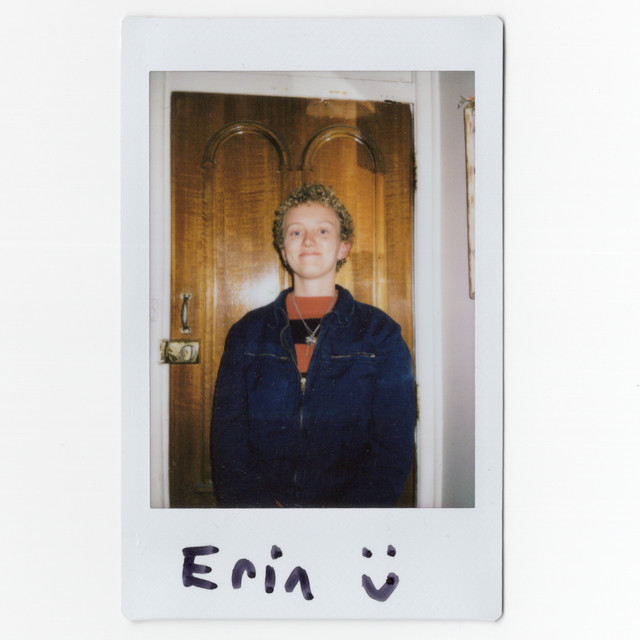
Erin Murphy, 2025 Sulman Prize finalist, talks with Matt and Aiden about painting animals, science objects, regional galleries and really really pointless paintings.
Transcript
It’s hard finding Aussie podcast. I know I think about. The Battler. I fucking love that show. That’s the Battler. Yeah. Do you guys listen? It’s it’s a couple of like writers, and one of them is Tim Winton, Celestials on. OK, awesome. Yeah, yeah, true. They have a fucking. Show it’s really they’re really funny like they had they had
some riff today. This is really lame to be just like, but they had this riff today about they were talking about we can take this out if we need to. They’re talking about 911 like very caustically. And then we’re like, because I was telling you about the ghost, the ghost train fire you. Know the Ghost Train fire I
didn’t know I. Was ripping off 20 minutes. From my dad talks about the ghost train fire, all really. Like, so it happened in. Yeah. OK, so there you go. It happened. He was like, I don’t even know about that. It happened in the room where there’s like a fake fire. So people didn’t know that the fire had started and then and then and the other guy goes like 911 half and on like plane crash
day. Oh shit, yeah. So that was and I was fucking like. Slapping the table I was like God. Damn it, that’s good. Oh man, let’s take all that out. We’ll leave it in. All right, All right. Kick myself. Yeah, officially. Welcome back to Hung Up. My name’s Matt. I’m Aiden. And today was oh shit, we’re
gonna get better at that. That’s my, that’s my God. And today we’re sitting with. Aaron Murphy. What’s up? Hi, how did he go this? Is going to be episode 10 of season 6. Yep, Yep. Correct. Fantastic. Today on a nice sunny, we assume
June 15th. Yeah, Monday. It’s Monday. You’re going back to work. You’re driving your car, you stupid little car. No, maybe. Nice. Beautiful car. I actually saw like a proper crazy sports car on the way here. OK, like a baby blue. I don’t know cars, but like, whatever you, whatever you. The one with this the the doors go upwards instead of sideways. Or something and the number
plate was resettle. Pretty cool. Interesting. He’s like a car flipper do. You reckon I’m writing? Cars down in capital letters like that’s going to make it. That’s important. So yeah, you spend the day in the studio today, Aaron. How did that go? Good, I finished a painting of an orange tree. Amazing. Beautiful. Yeah, and I’m pretty happy with
it. It was like hard to do and I was getting really pissed off about it the past few days, so that was good. Yeah, nice. How did you know? Yeah. How did you know that it was finished? I like that it’s finished. The the picture is full the the the rectangles full of stuff. Nice. That’s all it takes. Yeah, I like it.
Yeah. Yeah. I mean, you don’t you don’t layer very like deeply, which is which. That’s handy. I feel like for you like. Yeah, yeah, exactly what I mean. It makes it easier to know when it’s done, but it also means that if I make a mistake, it’s pretty much like the painting’s over as soon as I make a mistake. There’s almost nothing I can do about it. Like totally it being. So what happens to that can when
it’s when it’s over in the? Bin, I reckon I Chuck out like 50% of like maybe like less now. I feel like I’m better at painting now. Yeah, but like I, yeah, like a third of my paintings I think are going going in the bin. Yeah, wow. Cool. Because also like. Destruction. I do the tact the tax on the side of the canvas.
Yeah, the French tax. Yeah, and that copper. Tax. They’re they’re canoe building tax and they’re hand cut and I have to get them from this ridiculous guy in Church Point and I have to like, e-mail him back and forth, but what the fuck. Yeah, but they, they’re so insanely beautiful and not like
really that expensive and but also that puts like a hole in the canvas, obviously. And so when you unpick it, you can’t like flip the canvas over and use the back of it. It’s just like fucked. Yeah. So it’s extremely wasteful. I mean, that’s what you, I’m not going to say that I feel like, I feel like maybe that’s like what
it takes to get the the odd gorilla or plate of cheese, like maybe. Yeah, or even the the snowman. We’ll come back to the snow. I guess. Like the biggest thing, I was like flicking through your Instagram, like preparing for this. And I was like chuckling. And I’m like, you know, we’re always like the best, one of the sweetest things is like if you
could have a gallery or have a show and you can hear people or let alone like hear people laughing, like does anything but like kind of silent reverence. But then I was also thinking like, I think it’s fair to say that painting is probably like the least funny medium. Like no one thinks like painting and like fun or funny as much as an image can be.
No one, no normal person thinks that, right? Yeah, yeah, I guess. I feel like they’re super like, grandiose and serious or whatever, just like, like paintings as an idea. But yeah, yeah, I feel like like sculpture is often really, really funny. I think, yeah, especially, I don’t know, maybe I’m just
thinking of my friends who did sculpture. Like. Or whatever. And like the funny, awesome things that they made. But I feel like sculpture is really funny. And yeah, like paintings very like, it’s like poetic and emotional. Yeah, but I mean, your paintings are spread like I it’s so interesting. There’s so much personality in those characters like that’s.
What I see? Thanks. So much personality, like, I feel like it’s kind of like, I forget who was it. It was a Russian Anna Akhmatova. She’s like a Russian poet. And I was at a show in the UK and I had, I’ve had this a couple of times, like this beautiful grand moment of communion. Like I, for a long time I was like, I didn’t understand
portraits. I was like, what do you do when you’re looking at a portrait like you’re seeing? Someone of some ancient. Or of anyone. Yeah, modern portrait, like it didn’t matter, but I was kind of like, I like abstracts, I don’t like portraits. But one day I was looking at this Anna Agmatova portrait and I, like, had this really beautiful, profound experience of, like, communing with the figure in the painting.
I’ve had it sometimes in poems where it kind of leaps off the page and like, damn, I’m talking to the poet. And I guess there was a sense of that in your paintings where I really felt like I was with the subject in this really, like, in this really beautiful and, like, funny and sweet casual way. Like, it wasn’t so intense, you know, obviously, because I’m just looking on a phone. But yeah, I I still feel like I
can see the snowman’s face as I’m speaking to you. Yeah. Wonderful expression. Where was the snowman? Where did you find that? Wikimedia Commons. I feel like there’s like a lot of people in Sydney right now who are working a lot with Wikimedia Commons. OK, maybe.
Yeah, I’ve hung out there before. It’s an amazing source. Like just like. The most incredible like perspectives because a lot of the people that upload stuff to that are not trying to make a beautiful photograph. Like no, it’s so there’s so much crap. It’s like fully just the other day I was trying to get a picture of spaghetti. Like, I wanted a fork, like picking up some like, like
spaghetti with nothing on it, you know, and there’s like people who’ve just uploaded like 25 photos of their like, shitty photos of their bowl of spaghetti from like different angles. And, you know, it’s just like, it’s just full of crap, which is awesome. And like, not that I don’t know what, I have no idea what people
think it’s for, but yeah, the snowman was like, it was like the actual original photo was really depressing. It was like quite bleak behind the snowman. And then on top of that has this kind of like, like, not empty, but like slightly sad empty expression.
So I just kind of like made the background a little bit more happy and. Yeah, yeah. It’s it’s got like a sort of vacant expression, maybe mournful, even a. Little bit but. Also it’s arms are like up like doing. A team show as well Which? Is kind of this funny, like dejected, like, I don’t know, it’s a really funny expression and pose. Yeah, God, yeah, that’s cool.
And like, all the Blues in the snow are incredible, like. Yeah, Matt was going crazy for your colours. Yeah, the colours are insane. Yeah, yeah, yeah. When they first uploaded a photo. Are you looking at the archive? Yeah, I am. I am, yeah. When they first uploaded it, I don’t know what had happened, but like everyone’s pictures that they’d taken uploaded to the Art Gallery of NSW website
were like out of control. Like the colours were like neon I. Saw it, looked. So it looked so insane and I was like, oh man, this really exciting thing has happened and they just like they fucked and they just like made it look really stupid. But is. That still online. I saw it well, like it’s. On my Instagram because I I
didn’t know what to do. I was like this. Is kind of the only photo I have of the painting I was. Like what the fuck is that? But it seemed intentionally. Yeah, it’s so weird. But yeah, the Blues. Yeah. Thank you. It’s pretty minimal. I think there’s only like
there’s like only two kind of colours of paint that I mixed together, right. Yeah, Yeah. Cool, but yeah, I love that little snowman. Yeah, yeah, so cool. So how do you, like, how do you know when you’re like looking at a candidate for your painting, like practice? Like if you’re paging through
like one of these books or on Wikimedia comments like, like, what is it that you’re looking for?
I guess one of the main things is legibility.
Just, yeah, just like it there’s no, it’s not a confusing image. Like you understand exactly what you’re looking at. There’s probably not that much in the picture. There’s no elements of it that you’re like, wait, why oh, why is it in that? Oh that why is that colour like that or whatever. Like it’s like really, really
normal as well. I think like I don’t know how to just fully describe what I mean as normal, but there’s yeah like no extraneous material, no even like emotion really. Or if there is an emotion it’s like 1 you would expect from the like subject. Yeah, interesting.
That’s interesting that you’re going for like no emotion. Like, I mean, I guess we were talking about just before like painting being like the the more emotive like sort of medium a lot of the time. Like is that just it’s just experimenting with like kind of like, I don’t know, some other
like ways of looking at this or? Yeah. Is that intentional? You know the the no. Emotion. The no emotion, definitely. Yeah. I think I remember when I started the the Masters at Nas, like at the very start, I was talking to Liz Pauly, who ended up being my supervisor.
She’s the best she and she was like, she was like, I hope this doesn’t offend you, but it seems like you’re trying to make a really, really pointless painting. And I was like, yes, like finally someone. Gets me. Yeah. I think the like lack of emotion, yeah.
It’s sort of like I’m interested in like if it’s possible to like depict and like do a representational painting that like kind of lacks content even though it’s a picture of something in a way. I don’t know if that make yeah, but I. Guess you.
Yeah, sure. Yeah. And I think emotion kind of like introduces narrative a little bit and I’m trying to like do my best to not I’m, you know, it’s impossible to like make people not think stuff when they look at something they recognise. But totally, yeah. Your career is going very well. What was that like?
Like what? Like, I mean, you’ve just, you’ve, you’ve done like prizes and like, you know, now you’re with Olson Annex and it’s like, yeah, stuff’s happening. Like how do you feel about all that? It’s, I mean, it’s awesome. I, it kind of last year because I was already doing the masses at Nas like the final year of it, which is like heaps and heaps of work and like a huge
commitment. And then I was just sort of
getting like, yeah, invited to do all these really, really cool things that I like was like, Oh my God, I can’t. I don’t know. I can’t. How could I say no to that, you know?
And all of them were really, really exciting. And then the Somen happened. And then I got asked to see the contemporary and I was like, so many things. And it just became pretty overwhelming amount of work. Cool. What the hell? Yeah. Yeah, That’s exhausting. And then I, I did that all and then graduated from NASA as
well. And I was happy with all the work that I’d done. So I was like, OK, cool. Like I can do that much work. Like it’s possible, it’s feasible for me and I can be happy with what I’ve made. So yeah, it’s nice to like, be able to also like, work less at
a bar and work more at like, painting in my studio. Amazing. Yeah, like that’s amazing. Like if I can be in my studio painting like and theoretically I’ll make money at some point from that instead of like being a bartender all the time then. That’s awesome.
Yeah, like that is awesome, Yeah. Yeah, cool. What a privilege to get like The Walking into the studio knowing like that’s that’s cool. Well, I’m. Not fingers crossed, you know it’s. Like even having the like, you know, the possibility is exciting. And like, yeah, it is. I mean, I would get spooked by that. I would be like, fuck, now what
do I do? Like. Yeah. I’m used to making art under completely like the auspices of this ain’t ever going to get sold or bought like, but I think that’s just because I, you know, that’s that’s how my life works. But yeah. Yeah. And like it’s kind of it’s, it’s kind of an exceptional experience. I think like I was, I think I was reading something about some
masters student and they were like, I’m sick of getting crit. Like I just want to make them work. Like I’m sick of people like looking at my work and criticizing my work. And then everyone was just like, oh, you’re going to have a whole bunch of that like as soon as you finish your masters, like no one’s going to see any of this for like a long time. So, so I guess you kind of,
yeah, it worked nicely where you didn’t have to maybe deal or maybe you still did like it. Was there a bit of a scary experience like post because you did BFA straight into MFA right? Yeah, yeah, yeah, yeah. BFA straight into MFA, which was really good actually, because I don’t know what I would have
done. I don’t know how much momentum I would have been able to maintain in between. And then I’ve gone straight from, like, I had already started renting a studio at Kitchen Studios before we finished the masters. So I was able to just like, move
all my stuff over and keep on going. And I think I, I, I don’t know, I just need sort of like, like little goals to work towards, like even like prize submissions and stuff like that. It’s just good to like always
have like a little incremental thing. I don’t know if I could like yeah, like or like or like doing I’m doing this painting for like this friend or or like this family member or something like that. Like I’m not sure if I could just like be like what painting should I make? Yes.
I don’t I don’t know. I Yeah. It’s like, yeah, something to anchor you to, like something outside of yourself. Like, yeah, I kind of, I feel like I need someone to tell me what to do a lot of the time. I don’t know, you know. What I mean, I love the idea. We we always joke about how nice would it be to have like, a editor breathing down your nest? Like when are you gonna get
that? Poetry in the buses. Awesome. Yeah, sounds. Great. Yeah, Yeah. Cool. Yeah, I would love a boss. Like just boss me around and tell me what to take photos of. Art Boss. Not a normal boss. No, like just an art boss. That would be that would be very cool. Sounds like fun. Yeah, yeah, yeah. Just like this is your deadline. Yeah, made it. Yeah, it is an exhausting thing
about this stuff, like having to always set your own deadlines. It’s yeah. It seems kind of silly to say, but it is. It’s true. It’s kind of. It’s also myself. It’s like more it feels worse when you don’t meet if you’re setting a deadline for yourself or a goal for yourself.
It feels way worse when you don’t achieve it as well. I find for some. Reason when you have the deadline set and you don’t. Yeah, like you’re like in your head, you’re like, I’m gonna do this. And then you, like, fail to execute it. It’s like, damn, I can’t even like. Yes. See, this is complete gibberish to me because I never set myself deadlines, so therefore I’ve
never had the disappointment of blowing right through 1.
Deadline sorry just before we move on from the school stuff, is there any if we had like a first or second year BFA listener, anything you would want to pass on like advice wise or getting representation stuff? Oh, I don’t know.
I think NASA is changing like really, really rapidly at the moment though. And there’s like so many rumours about like what apparently they’re going to be doing this. Apparently they’re going to be doing that. So, yeah, I don’t know. I mean, I, I think actually like probably just like if you really like want to like make lots of
paintings you have or like artworks, you have to like actually do that and not go to the dollar all the time. But you can still go to the dollar all the time, but maybe like after like 4:30 PM or something. Yeah, yeah. I like it. Very good. Harsh, but fair.
Yeah, you’d. Be a good That is pretty much what everyone’s advice has been like. We had Tango online. Oh my God. Yeah, yeah. And yeah, it was just like, just paint. Like, just paint, just draw. Like that always seems to mostly be the corner of. It it’s so. Easy to screw. Around, I think at art school, because as everyone’s like, cool and fun to hang out with you like there’s so many awesome
people to chat with, you could actually just spend all day doing that and you’d probably feel really like it would be like fulfilling. Yeah, yeah. That does sound awesome. Don’t the scary like Nash teachers come and slap you on the wrapping on the back of the knuckles if you’re. No, they’re not scary. They’re all really, really nice. They’re. Too. Chatting, and they’re like,
yeah, these guys are awesome, Yeah. And they’re at the pub too. Yeah. True. A lot of the time, yeah. So yeah, totally, totally. Rumours abound. But like what happens there is a serious, I mean I never went to NASA, I never went to art school, but it has the reputation of like of the Sydney schools, like the technically most rigorous and serious. So there is not to say that the
teachers are mean, but like is there still a sort of?
I don’t know, like what do you mean? I don’t know, just like a more traditional and like and like a more rigorous technical standard like that’s expected and enforced. I mean, they still have the like, drawing, like you have to do drawing from yeah, first year through the 3rd year, which I really, I mean, I love like life
drawing and observational drawing. I find it really, really, really fun. So I think that that’s awesome, but a lot of people really don’t like it. And I, I, yeah, they still have that kind of element to things which I don’t think that other art schools have. And also like, I feel like you
notice like going to the grad show, say like UNSW or something, especially with the like honours and post grad program, there’s like those schools end up producing a lot more like expanded field stuff. And I’m thinking of like people who have like actual like. Moving like machines and things
and like automatons or like science. Objects. In like the grad show, yeah, yeah. And then at naps, like there’s heaps of awesome and crazy cool art but you’re not like it’s more I get. No robots in maths, true. No robots in maths. Yeah, true, I don’t think.
Or actually no, there’s there is someone making a roboty thing at the moment. Cool. Yeah, that I know of. But yeah, like not you know what I mean? It’s more it’s more traditional outcomes, I think. Absolutely. Yeah. Cool.
So like, can we get into your like actual process a little bit like just for the like painting heads in the crowd. So like you’ve selected your your subject and then like what happens next Like. I just do it. I figure out, I use a ratio calculator, I crop the image OK
if it’s on a like a digital one or I’d put tape around it. And then I use a ratio calculator to figure out how big the canvas I should make. I see is going to be. It’s like a 1200 pixels wide image. And how many centimetres of canvas do I need? Yeah, that kind of thing, like trying to get it.
Yeah, like more or less as accurate as possible. And then I just make the canvas and yeah, like I was saying with the tacks, that’s like quite a, it’s actually quite a trek to make a canvas that way. Yeah, looks. We looked it up before we came over. We were like, what is this like technique? Yeah. I’ve only ever seen people use
staples. Yeah, like, but I’ve seen paintings that have tacks on the side of them in galleries. Totally. Yeah, old, old paintings. I think maybe I’m trying to think like up until the 60s or 70s, that was the main way to make canvases. And so you’ll see like if you see like, like Philip Guston as someone who paints heaps of paintings inside his paintings
and they always have the tacks. On the side and they’re quite. They’re quite distinct. So the things like cartoon of a painting, yeah. Yeah. Interesting. Yeah. But yeah, I think they stopped getting used. I guess they just because upholstery methods changed and that also applies to making canvases and so they started
using staples. But I feel like I’ve seen a few people. There was someone who graduated from Nas. This is the reason I like got interested in the tax. There was someone who graduated from Nas in like maybe 2022 or 2021. And I remember going to that year’s grad show, I don’t know
his name, but he had painted like a painting of like a pickle sliced up on a plate and like a guy who crashed his car into a lake and the the cars like floating in a lake or something and all these silly things. And he tacked the canvases and there was like a fun story behind the paintings. And I loved them. And I wish I could remember his
name but. Yeah, yeah, cool, cool influence from the like a grad show or something. Yeah, Yeah. Like when like graduated the first year that I was at Nas, Yeah. And then when you’re actually like, now you’re like applying paint to canvas. Like it seems like you work with quite a limited like palette. Is that right?
Sometimes. Sometimes, yeah, I’m not really very good at mixing colours. I think, oh, I find it really, really, really hard and I waste a lot of paint. I think that’s the part of painting that I find the hardest, which is probably really bad, but.
It sounds hard, yeah. I mean, just from what Aiden’s told me about his mixing experiments, yeah. I’ve just got 2 now. I just just bought Ultramarine and Bert Sienna and I was like, I’m just going to use these two for. A while those two colours, awesome. I feel like those are good choices. Yeah, it’s cool. For a while because I was like spent like 2 hours mixing
colours and like taking notes and doing all this shit and I was like you know what fuck. This, but there’s like fully like online courses and like real life courses that you can do in mixing colours and stuff. It’s so complicated. So yeah, I don’t know, maybe that’s why my cut palette is sort of limited because yeah, I always end up going back to the
same colours as well. The other thing is that I use a clear primer, which means that between the actual like surface of the canvas and the paint, there’s like a small amount of like clear space. And so, you know, you see like a beautiful, like like heaps of beautiful depth in paint.
Sometimes, I don’t know, beautiful juicy green, yes, sure. And it’s like a sort of transparent paint. You kind of can’t do that as well from the way that I paint. I see it. Has to be very matte. So that’s, I don’t know, another nerdy thing about the paint. I don’t know. I’ve actually twiggered around for a really long time, which is
lame, but yeah. That’s cool. I mean, that’s we are we are on a podcast. So yeah, like you can do it. And then like just to zoom out a little bit, like a lot of this is animals and like, like most of the animals I would say are dogs.
Yeah, we relaxed your pig, by the way, the the pig, the. Pig, it’s a stunner. I was actually accidentally started looking at it during like 2 minutes ago. Called Beautiful Pigs, which I got. My friend Beth texted me a photo of it and and was like, you
should go get this book at Berkelow in Paddington. And then I went and got it and it’s like this book that this guy has made and he’s like the best pig breeder in Britain. And he’s taken a gorgeous, gorgeous, gorgeous, gorgeous photo of every single breed of pig, like looking stunning
walking around on like a beautiful velvet backdrop. It’s like the coolest thing ever. Cool, it’s. Incredible. Yeah. And. That’s where that pig came from. Oh my God, yeah. And it’s like a pig. Pig, Yeah. Right, there’s sort of. It’s a prime. It’s a prime, yeah. It’s like this is the ideal pink
pig, Yeah. You guys sort of in, in the, because I used to work in a butcher. So I that’s where I got this factoid that there’s for like eating, there’s two main types of pigs. There’s baconers and porkers and they they give you the pork chops versus the like, belly bacon, back bacon stuff. Wow. There you go crazy.
That’s why, that’s why you get like the different like flavours from pork. Interesting. Yeah, they’re kind of bread differently. That’s cool. Yeah. Pigs, man, I feel like pigs. I’ve kind of like, like, I, I eat meat and I eat pork, but like, I hear the pig facts about how, like, sweet and charming and intelligent they are. Yes. And that’s like, I have to, I
think we all secretly have to like, turn away from that. Yeah. It’s very smart as dogs. And I fucking believe it. I like dogs. That’s way smarter than dogs. And they’re really good at painting this pig. They’re acted like. It’s I know it’s a sow, but it looks like a sort of jolly Winston Churchill. Yeah. It’s got a great Yeah, it it looks British for sure for.
Some reason the eyebrows, he’s got that like or she’s got that like. Yeah, yeah, I know. Subject, you see. What we were saying before there’s so much you can load onto it and like I probably the most popular subject, what low animals if you include like, you know, every hobbyist painter as well. It’s like my cat. Maybe botanicals as well and
landscapes, obviously, but like the stuff and people. But the stuff like yeah, that’s that’s. All the big news, but like animals. I feel like you really could like animals are a huge seller book if you’re doing a seller book of like a lot of the. Very first ever paintings were animals, you know? Cave paintings, yeah. Yeah, yeah, I love that shit.
That’s. Interesting. Yeah, Yeah, it’s. Cool. It’s like it gives me like a shiver like. Oh yeah, totally. 60,000 year old Lesco, whatever. Yeah, yeah, yeah. Yeah, so you’re, you’re into your history stuff you’re telling about talking about the History of Rome podcast or whatever. Yeah, yeah. What? What other history stuff are you into?
Well, I started before I went to NASA. I started a degree at UCID, dual major in history and ancient history with a minor in Latin. Oh my God awesome. But I dropped out as soon as COVID started happening pretty much. Just cause fuck that like. Yeah. School online.
School online. I, I knew I couldn’t do that. And also it was sort of a bit like, I don’t know why I was studying that. Like I find it really interesting and stuff, but I don’t want to have to like sit down and like take my ADHD medication and stuff like that. Yeah. So yeah, I am really interested in ancient history and I love, yeah, I love like Roman mosaic
and and stuff like that. Kind of like architectural art is really interesting to me and that I feel like that’s a big part of like, I mean, ancient history. I don’t know. Yeah. Like motif. A lot of animals actually, I guess. Yeah, yeah.
And like you’ve done this painting of a marble sculpture of like an Angel does that. Oh yeah. Where that came from? Or is it? Am I just making stuff up? Yeah, no, that’s from, Yeah, that’s from Magna Grecia. Like I’ve done two of those and they’re both from Magna Grisha, which is like before the lower
part of Italy was Roman, it was Greek speaking.
And yeah, it’s out of like the same sort of interest, I suppose. I mean, that was just another book that I picked up called The Art of Magna Grisha. And yeah. And they have these awesome photos where it’s just old museum photography is really, really cool where it’s like, there’s often like a really
brightly coloured backdrop. Do you, you know what I’m talking about, right? And it’s like bright red or bright green or like the bluest blue in the world or the yellowest yellow. And then just like the objects sitting there and they somehow, like eliminate the corners of the room. So it’s like kind of floating, but it has a shadow. I really like those images a
lot. Yeah, cool. I got to look up this picture style. I kind of vaguely know what you’re talking about. Yeah, it’s like, yeah, when you see it, it’s also I think like old auction catalogues and stuff like that often use that totally as well. Like maybe sort of a velvety felty backdrop. Yeah, that’s very.
Classic the the velvet stuff. I love that, Yeah. Totally, Yeah. Yeah, I mean, like, I’m a huge history nerd, so I’m always interested in if, if anyone’s kind of what. Kind of history like. I’m mostly interested in like in ancient stuff, but I do, I do like some of the modern history. I’m kind of obsessed with the 20th century stuff as well. But I guess like the thing I
always tell people is like, you know, like people getting into
like when you, you know, when you study history, that like the this written, this written world that we have. What’s amazing to me about it is if you look at like archaeology and stuff, it’s kind of like you do get an amazing sense of like how people lived. But then as soon as people invent writing pretty much like literally one or two generations later, which is like, you know, nothing in the grand scheme of
things, People are like writing down my neighbors drunk all the time. They’re loud, like my boss doesn’t pay me a month too enough. The rent is too much. You know, it’s like, Oh my God, like just seeing it written by a human hand. I’m like, I get this kind of shiver of like history. I’m down my spine. So I’m very sort of passionate about that. And I, I also think along that
same line, like, you know, like it just seems everything seems a lot less alarming when you think of like, oh, the siege of like Carthage where like they threw like rotting cow corpses over the city gates to like try and get people to surround, you know, like I feel I’m like, you know what, like maybe I maybe my life is all right. You.
Know. It is a weird thing to kind of have on your brain when you’re like also engaged with this like sort of hyper attention seeking like Internet empire that we’ve set up. It is a weird thing to to think of these like completely disconnected. Well, not completely, but like in that sort of instantaneous way that we have like just completely societies just kind
of coexisting. Yeah, and not really knowing heaps about each other, like the Herodotus. His history is like, he’s like the first historian. Yeah. And like, he went to like, Persia or something, and he was like, oh, my God, they have porcupines or like hedgehogs here that can dig for gold and
stuff like that. He was like, it’s so crazy over there. And he just kind of like, didn’t understand what was going on. Yeah. He’s like, oh, my God. Like. And and then he like wrote that down. And I guess everyone in in Greece would have thought it was true. I don’t know. Well, yeah. Pretty much. Like what other information do you have? All of his numbers and estimates are famously like, wildly.
He’s like, there was 300,000 soldiers and it’s like, well, it probably was more like 3000. Like, you know, cool. He’s just a really bad estimator. Yeah. Awesome. No, I’m excitable. He’s excitable. He’s optimistic. Yeah, there was a lot of soldiers. Yeah. Totally. He’s exciting. That’s awesome. They eat, they eat fucking
hedgehog guts for breakfast. So it’s such an exciting console. That’s cool. Yeah. And then like, like where do you kind of see yourself like heading with, with your sort of like graphic language? Like do you, do you kind of have a direction that you want to head in or is it like exploring the intricacies of this thing that you’re doing right now?
Like. My way of like my sort of rationale ended up kind of like developing into like I was like, I don’t know if I was like think I’m like thinking of myself as being this person or like thinking this person as like an
imaginary person that I’m fulfilling. But like, like the idea of like a painter who’s trying to paint one of everything in the world and just like, like, like the world is a massive checklist and you have to get each thing done once. And which because I was, I do
all my work from encyclopedias and, and stuff like that, like fact, fact imagery. So that kind of is what made me think of it like a catalog of everything. And then what if someone tried to, yeah, paint one of everything. What would that mean? And like, do you paint one of each breed of dog or do you just
paint one dog one time? And you’ve covered dogs. Same with pigs. There’s lots of kinds of pigs. And so there’s like a bit of decision making there, I guess, coming up in the future. But yeah, that was sort of my idea. So I think that animals are, well, the animals are the most fun thing to paint and look at.
So I’m doing lots of them. But I think I’m starting to get a bit over it. And I’ve been doing some plants recently. I’m really scared of machines. I don’t know how I’m going to do machines. Interesting. OK, like what? You are like a sewing machine or something like. Yeah, there’s like, there’s like a great painter, Conrad
Clapheck, who does like heaps and heaps of sewing machines and like he does, these are the actually the coolest paintings ever. He’s got ones where it’s like the machine that puts the cream on top of like a little cream puff or something is like sweating like little. Reference. Yeah.
When you were talking about like picking animals, the reason I was laughing is because I was imagining like, it’s like, sounds like Noah’s Ark. You’re like. Totally how? Do I pick the the right two pigs? Yeah, 100%. That’s cool. Yeah, Yeah, yeah. That’s. Very cool. I love that. That’s a great answer. So you have a show on right now with Michael Reed.
Yeah. I would love to hear about how that came together, how that fits into your other work. I’ve done a show with them before in Newport. They have a gallery there which is I grew up in Newport so that was super awesome up. North. Yeah, it was cool. And because I haven’t lived in Newport for ages, but when we went to the opening, like my
like, high school babysitter was there like a high school, like primary school babysitter and like that kind of thing was really cool. Cool. And that was like just after I’d graduated from like, undergrad at NASA. And that was really, really awesome. And then, yeah, they asked me to
do this show in the Southern Highlands and I like that. It’s like outside of Sydney, I think that’s really awesome. I haven’t been able to go down and see it yet, but I’m doing that soon. I’m going to go. I’ve got some family in that area as well. And the people that like the staff, they’re all really nice
and yeah, like, lovely to talk to and amazing to work with. And it’s never like, I feel like art stuff because everything’s kind of permanently up in the air and like, maybe it’s like the artist like, like I might fail to like, deliver or
something. It can be very like, stressful trying to figure everything out. So yeah, they’re super nice to work with and I’m really keen to see actually see it. Cool. Yeah, yeah, it sounds cool seeing like walking into it like when it’s already like settled and installed. And so I want to ask you what
was growing up in Newport like. I’ve. I’ve been there a few times when I was working at that butcher, funnily enough, to like deliver fancy fancy meat to. There’s like a French the. Pub called The Big Pub. The Newport Arms, that’s now called the Newport, Yes. It’s like now Maryvale. They’re very yes. Oh, really? Yeah, I must have seen it in this last few. Days before they did that.
Yeah, so you saw it when it was still like a pub. Pub. Yeah. Awesome. Yeah. It was so cool back then. Yeah, It was like the coolest thing. There was like 5 kids playgrounds in the pub. It was so sick. It was the best place in the world. Complex. It’s like it’s amazing. Ten of our local inner W bridge smashed together. Yeah. Seriously, it’s like a like, yeah, it’s like the size of like a large primary school.
It’s so cool. And as as many playgrounds as one. It was so cool. Yeah, yeah. What was it like growing up there? I loved it because there’s the beach and there’s some little bits of Bush.
There’s not. I don’t know. For me, I didn’t feel like there was heaps going on with like, creative stuff. And I suppose I probably like kind of holed up in my room and in my house and like made drawings heaps and like, didn’t really feel like there was that
much interest. But I did go to art classes every week after school, Yeah. With this awesome lady called Debbie Waters, who. And it was just like, yeah, she’s awesome. And that was super cool, Yeah.
But you felt like you had to get out.
I guess so, I mean, there’s just, you know, there’s not a tonne of, there’s now there’s that Michael Reed art gallery there, but like other than that, there’s not a tonne of stuff like that going on. Like, you just do have to come to the city, I suppose, to like, really see and be around all those kinds of cultural things. Totally.
Yeah, I mean, that’s like a classic like I grew up in. Yeah, I grew up in Yeah, yeah, yeah. Yeah, And how’d you get away from that place for you? I can save you. Yeah. And now you’re living in a, did you say A7 person share house? Yes, A7 lesbian share house. 7 Where’s this?
Where’s this castle? It’s like on the Cooks River. It’s near the golf. Maryville Golf Course, OH. Yeah, no, you’re 1 of Aiden’s. We live in Canterbury and I walk the Cooks River every day. Hell yeah, that’s beautiful. Yeah, it’s very lovely. It’s so nice. Always find great little things like what was it yesterday? This really sweet child had made these like posters and stuck
them on like a pole. And it was like, please don’t hurt the birds like berserk birds deserve to live like a beautiful Oh, all these pictures of birds. And then the next one in the sequence in the story in the group chat was just like a hand. That one was like printed like, you know, clip art printed. And the next one was like handwritten like and hand drawn. But then all the colours had
bled in the rain. So it was like please in red. That was like fading down the page and then like a diluted cockatoo. It was beautiful. But I always find like, you know, another kid fell off his bike in my afternoon walk. Yeah, yeah, we, we called a lady. Like the ground, it was just crazy. Like if you go there like
weirdest thing do the walk. We walked past them in the in the like on the first sort of circuit of a walk. It’s an old couple. And then we walked back and like behind us, we just hear this like clap. And it’s like, what? Oh my God. She’s like, we thought she’d like had a stroke or something, but like she turned out OK. She was OK. She was. She was grateful she took the help. Well, like sometimes people,
like, really embarrassed. Yeah, but you’re cool enough just to be like, we, we got you. But yeah, I do. I find it like a very inspiring and spiritual and silly place, the Cooks River, because it like has a little bit of stank on it. Like people are fishing in the river. And like smelly, it’s a bit. Smelly. It’s got the sulfur, so it doesn’t. Actually refer to it as froggy bottom.
I don’t like that. I will make fun of it, but I think that’s too disrespectful. We’ll talk about this after the show. But yeah, I really, really love living there. I was actually at that. There’s a really cool, like bar, like RSL Pub. Have you been there at the on the golf course? Oh yeah, yes, it’s awesome. I went there for the.
First time yesterday I was like this is so quiet and beautiful. Beautiful. What is it? Summer. Evening there’s got like the little parking spots out the front and it’s like 1980s or. Something. Yeah, maybe. Yeah. It’s like you’re on the golf. Course, I saw it bad. I saw Dust play there. Yeah, OK. Cool. Yeah. So you have been there. It’s going. It’s a bit too cold now.
Yeah. And also when we when we went, it was like 8:00 PM and there were none of the cars that were clearly labeled like and I parked right next to the thing in the one marked director. I was like, cool, I’ll take that. I would love I keep seeing all these little like abandoned old like there’s one near where the train station is being rebuilt. There’s like this beautiful old
building. I think it’s like a Chinese restaurant or was a Chinese restaurant. I was like, damn, I feel like a gallery in there would be so good. I know. I just want to see like have one gallery in like Canterbury. Yeah, totally it would. Be so cool. I actually did. I do have an open inquiry with the Tennis Club. There’s a great little room near the Tennis Club that’s just empty.
And I started emailing, calling, being like, let me use this, let me use this, let me use it, please. And I turned out I was like messaging some Tennis Club in some other part of Australia, like like it sounds like you’re in Sydney, we’re in Victoria. But I keep calling the numbers and they’re just putting me on like hold. But it’s an active inquiry. Listen. There’s like community centres, well in Newport actually the
community centre at the Tennis Club there would put on like people could just put on whatever they wanted and put on art shows and stuff, which I think is awesome. And maybe you should be more of a thing. It’s like, because there’s so many town halls around as well that you can kind of just like there’s that like Film Festival that gets put on at Leichhardt Town Hall.
Yeah, cool. Yes, and that’s always so awesome. Yeah, is it Alex? Yeah, yeah. No, it’s an important layer because like, yeah, it’s cool to have like the commercial galleries and the trendy galleries and it’s important and good and all the rest. But I do feel like it’s a really important layer of like the culture that more community, you
know, maybe no one’s getting paid and maybe there’s some paintings that are like, you know, not the best, whatever that means. But like that’s still important. It’s still important for our souls to have that and to not like denigrate that the level of practice either, which is like 98% of people that are putting marks on paper are not from the
art world and don’t have a formal education, you know, so. Yeah, absolutely. Yeah, yeah, it’s it’s very sweet that stuff. I I really enjoy seeing. I was I heard about this like Sydney Park Chihuahua meet up last night. Awesome where like people meet up in Sydney Park and like I guess compare their Chihuahuas
and and. Compare them. Or like you. Know. It’s like a networking thing. For Chihuahua networking, yeah, that’s awesome. Wait, when is it? I love chihuahuas. But what I heard was that it’s the last Sunday of every month. That’s so cool. Yeah, cool, cool. All right. We’re just about at an hour now, a little bit short of an hour.
I feel like that’s a good. Place to Yeah, that was great. To send it off with a What did they say on vanity project? Seal it with a loving kiss. We’re just going to steal that all. Right. Well, they stop. Yeah. Goodbye. Please come back.
Thanks so much, Erin. Thank you guys. OK, bye audience. See you. Bye. Audience.
Show notes
We're so back with another conversation, this time with Erin Murphy! Erin is a Sulman Prize 2025 Finalist and 2025 a Brett Whitely travelling scholarship Finalist. Having an art boss, not spending too much time at the Darlo all of the time, science objects, the lack of robots at Nas, prime pigs, animals are fun to paint and look at, the world is a massive checklist, Conrad Clapheck, Regional galleries, Newport, Falling by the Cooks River