4.9 With Drew Connor Holland
With hosts Matt Sitas and Aiden Loughlin · · Listen on Spotify
Guest: Drew Connor Holland
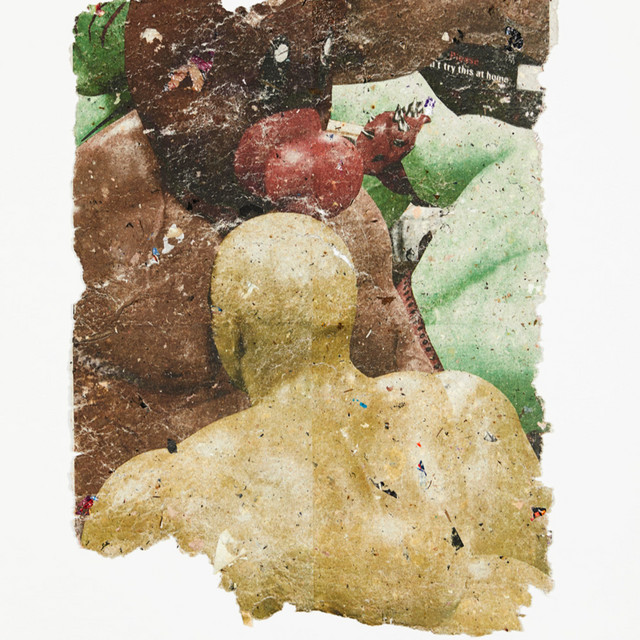
Artist Drew Connor Holland joins Matt and Aiden for a conversation about their work.
Transcript
OK, so. I’m like, OK, we can’t. No, I can talk about crits for a long time.
Where we’re all just crying all the time because that’s too brutal. But yeah, totally, she we’re going. But this is the thing, right? So I loved brutal crits. Brutal crits are incredible. I would die for brutal crits, I remember, and it kind of goes back to what we were talking about just before we pressed
record about kind of really being too gentle with criticism, right? I feel like you have to go through really fucking brutal crits during art school and people always rag on like brutal, like like I leave crying kind of Crips. But I think it’s really important to go through that. That whole process is meant to
get you to a point of confidence where that criticism doesn’t affect you. So I remember seeing one kind of kind of series of crits that we had at at Nas. And you know, I went to Nas before it was a meme, but back when Kofa was cool, I went to Nas. Damn, that was. Yeah, that was cool. I know. But there was this crit where
the artist was showing these these works and it was these kind of still life kind of like memento Mori Paintings of objects were found at Vinny’s or discarded objects and you know, the the person was was talking about how old were. These paintings are kind of all about you know recyclability and
how you know, people just disregard things from such a commercial kind of like you know culture the type of fixated in the new thing. And it’s like, I feel like that’s a very kind of like RES show. And the crit was incredibly brutal. It was absolutely amazing to see. They were like, OK, So what you’re doing is you’re taking
objects are affordable for people and instead of using them for the purpose they have, you’re instead using them for a painting. And in doing so, you’re producing a new object, which is a painting. You’re making a painting as a still life and a vanitas, and that carries with it such a rich artistic hit tree. That’s like 1000 years of still life painting, fucking 3000 years of still life painting can go to Pompe and Herculadium.
And he was saying, I can look at a better Still life painting from a million years ago. And you’re putting yourself that lineage. And on top of that, you’re using this new canvas, You’re using this new junk, basically, that you’re just kind of throwing on top of such an overwrought genre. And then he went in and I was like, he was like, you’re wearing these jeans, right?
Shit, not the jeans. Yeah, he was like. Wait till we get to the shoes. Oh, get the shoes, baby. He was like it takes 200 liters of water. To make one pair of denim and we just and was like if you’re talking about recyclability, like this is the most important thing. It’s like if you have a message that you’re trying to say with your art that is this kind of
like a little bit holier than thou, it’s like, yeah, don’t even fucking try because everyone in the room is going to agree with you because everyone’s going to pat you on the back and say, oh, that’s really nice. Thank you so much for talking about the environment, man. But like it actually doesn’t do anything or figure anything. Yeah, interesting. I mean that was like a proper like dressing down like the IT was the artist guy like a
fucking like head to toe dressing down. I love that I. Love it too. I Yeah, And I think that’s a fair crit. I can’t remember who it was. I think it was Clementine Ford. Yeah. But Matt. Yeah, it was doing some really interesting, like environment adjacent work. Yeah, but there’s fucking like the work was like, fucking literally like something like
like seeds in the ground. Like by a river that just grow or never grow. And it’s like, OK, cool. Like your message is aligned with your medium. Yeah, really thought about this. And it’s like, sorry, if you want to go environmental mode or whatever mode. Yeah, you probably don’t get to make a painting in a sexy gallery. Yeah, totally. Yeah. I mean, yeah, if you want it to
be, like robust. But also like, if you even if you take away all of the kind of land art or, you know, an environmental kind of like, you know, politics or critiques or whatever, it’s just like pretty plants by the riverbank. Like, sure, If you strip everything back, it’s actually just kind of nice. Yeah. And like, yes, it’s really kind of homely.
It’s like, oh, that’s not like, like, you know, in 50 years maybe there’ll be a nice flower there and someone might know it’s an artwork, but it’ll be like, oh, exactly. Look at that nice little flower. I’ve been so drawn to artists and artworks that have that kind of, like simple, like very simple, like light touch kind of gesture. Yeah, like it’s like the kind of tree falling in the woods thing,
but I just think it’s such a beautiful and like, silent. Really powerful way of doing this stuff. It’s really confident. It’s like you you don’t have to rely on all the, like you know all of the hoity toity shit to sell a work. Like you know, if it’s good, it’s just good, you know? It’s like when I went to, I recently went to New York City, but like when I went to New
York, I know I’m, I’m a woman of the world. When I went to New York and I was looking at all these, it actually kind of changed my work a little bit as well, because they were just these really nice big portrait paintings. Yeah. And like, it was this amazing artist whose name I’m sure will be inserted somewhere because I can’t remember it right now. But they were just these like,
really, really massive. Almost like, kind of like, you know, like in a classicist. Kind of like modernist paintings. Yeah. And it was just beautiful, just seeing like, a nice big painting. I was like, thank God. Yeah. You know, they’re not trying to do anything crazy. It’s just like very clearly like
an artist that just really enjoys the craft of what they do. Yeah. And they’re comforting enough with their craft to just show it to you and you could appreciate it as you do, yeah. It’s like, is that too much to ask? Well, there’s so many interesting, like, there’s so many ways I want to go with this. I mean, you said the word confidence before. And I think when we’re thinking about like conceptual art, I
just, I’ve been thinking about it lately. I’m like, damn, it really does take a lot of confidence. Yeah, to like put your back into something like that, into something like the seeds or just the idea. Because there’s a certain comfort, I think, in like craftsmanship or like having the skill to like make a painting. People will, like, feel more comfortable with that, right?
Like with that classic painting you’re talking. Yeah. And it like, has its merits. And I think it is like portraiture is something that I kind of struggled with for a long time. But yeah, I think. Yeah, just on that. Like I’m kind of. I kind of was like when I started getting into art, I was like all conceptual. Oh, what? I was like don’t even give me a
fucking painting. I’m sure paintings for fucking it. Like I was more. That’s insane, yeah. That’s where I started. Yeah, we used to live together and Aiden once made us like a collaborate or what would participate in this artwork, which consisted of us walking up King Street picking up cigarette butts, OK? Shit like that. I like. Just like rally.
There’s a. Girl, you were dating and it was like early days, right? Like. Made a bib for them and made them like the idea was like a work where they meant to like feed each other. Yeah, that’s where I started. And now I’m in a that’s super Andrew Donaldson vibe. Yeah, that’s very Adia Donaldson. Yeah, yeah, Lydia Johnson had to work in there, I think 80s or 90s, I think, where he was like painting a wall with melted butter. Amazing. Yeah.
Yeah. Cool. Yeah. Yeah. But and like, just to to hammer the point home, like, this guy’s weird. Like he was like, I’m never gonna take a photo he like, he just. I mean he would take photos you would like, not even the grams, but. Like, yeah, for the gram and stuff, but like kind of. This like, sort of contrarian way. And then one day out of the blue
was like, can you teach me like how to take photos? And then suddenly, like, taking really nice photos, it’s like, what? But that’s friendship. Friendship is magic. It’s but it’s funny because Matt, you’ve been taking photos since you were born and literally everyone was around and then it’s just one day. But yeah, I guess, I guess the way I’m going with that anyway, if there is anywhere to go is like. I feel pretty happy with where I’m at now. Like, I still love conceptual yeah shit.
And I’m also like more understanding of like craft and and and making things more than ever. But there’s just such a complexity to both. Well, I think like the big kind of, and it’s it’s the the big thing that was really hammered into my skull at Nas as well because the head of painting at Nas, Stephen Little, my dad, I love him. Incredible painter, one of my
favorite artists in the world. His whole MO is like painting is cool, but you have to know why you’re choosing to use paint, right? Yes. Or if you’re painting in the expanded field, why are you choosing to use that, that genre of work? And why does that medium encapsulate your thesis? Don’t just paint the painting, say, have a reason as to why to
use it. Preach. I love that. Yeah, I’ve been. I’ve been working in like the commercial photography world for the last, like year and a half. And the big thing that I’m taken away from, like all the fashion stuff that I see is like. Is like the idea of motivation. Like none of the lighting that we use. Oh, like, hardly any of these people are using lighting motivated by something.
Like, it’s like, why is there, Why is it green? You know what I mean? Like, yeah, let’s have it. Let’s have it sort of have a gesture and like a sort of a strength behind it. Not just like, oh, it’s like green and that’s like yellow. I don’t know. You know what I mean? Like that? Oh no, very much. Just like total black faced like a dumbass way, aren’t they? Say like the green cells.
In that world, like, yeah, yeah, I guess make their own motivation, but that which is so much. Hard. The best, the best. The top photographers do think this way. They’re like, cool. They’ve got like a story behind it and like it’s all unified. Like the It’s the kind of thing where you see like, I don’t know. We’re talking about like, editorial here. No, I’m talking about like it’s on a bus stop.
Interesting. Yeah, editorial too. I don’t actually look at that many editorials, but like, yeah, if it’s on a bus stop, you know what I mean? Like, it had to be a big dog photographer. And like 9 times out of 10, I’ll look at one of those and be like that whole thing is unified. And it’s. Yeah. And it’s lighting, you know? But when you meet someone and they’re like, I’m a fashion photographer, it’s like da, da, da da, Oh my God. It’s like I’m just like some people just like just be
lighting just for the fucking part of it. It’s like what you’re saying about like you know the kind of thoughtlessly assembled, like, yeah, found objects show it’s such a pain. It’s like there’s actually, so my day job is I manage a store called Cut Jay, which is a very gorgeous and glamorous store. And we actually focus so much on
intention with our photography. Ben Murphy is an incredible photographer that takes all our product shots. But the The thing is though, and like we always look at other fashion photography and we’re, we’re a little bit critical of it. And it’s one of those things that when we take photos of garments, it’s like, well, like how do we add life? How do we add personality? You know, how do we add a story? Because like, you know, humans,
it’s famously love a story. It’s kind of our whole thing, yeah. That’s true, yeah. And when you ignore that, you’re kind of ignoring what is essentially the essence of culture. Yes, totally. Yeah, totally. I think that’s important stuff. We should, we should talk more about the fashion stuff that I didn’t, didn’t realize. So, So what is cot Jay like? First of all, Cot Jay is a kind
of concept store. It’s like a archival consignment space with a focus on kind of, you know, like more avant-garde pieces. And the whole idea of it is we take clothes very seriously, but we don’t take kind of like wearing clothes seriously, if that makes sense. Like, you know, like it’s not hoity.
Toity, which I love the whole vibe of. It really is like, what makes you feel good? You know, what do you want to look good in clothes that’s so important to us, to how we present ourselves? But like, it’s not inaccessible, you know? Yeah, Yeah, it’s super interesting. Yeah. Cool and like.
Did you like, is that something you’ve been doing for a while? You’ve been working in clothes? And yeah, I’ve worked in, in, in clothing for longer than I can remember. Most of my time working in kind of clothing has been in suiting, so very sartorial like, you know, I’ve done like weddings, tailoring and I kind of love, like a lot of my work is about
kind of like history and ontologies. And like I actually really fuck with weddings because of that. Like, I love Suits and I love weddings because that’s kind of like, like, realistically in, like, kind of like Australia, especially any kind of colonial project. The only real kind of like, white culture that exists anymore is like weddings and graduations.
That’s. Kind of it. Yeah, totally. Weddings, graduations and funerals and all of those are just suits. It’s like, that’s like when you look at, like, visible cultural heritage, that’s kind of like the only one that isn’t as problematic. Yeah. Yeah, yeah, yeah. Yeah, so I find it really beautiful. Yeah, yeah. Good point. I’ve been fucking talking about suits for a while. Me? I’m like, yeah, I’ve had. I’ve been talking about suits
for a while. Yeah, haven’t we? Well, I I’ve had suits, like the concept of suits on the mind. I haven’t really gone anywhere with them. Yeah, I’m like they’re cool. You need to harshly lined drop 6 butterfly lining on the back coming to me for. The suit for the Yeah, yeah, we did it. The consultation you. Got a couple of suits you got that like 70s brown suit I’ve got. I bought a like. I bought this suit from the
musician, which is like got flared pants, so hot. It’s so cool, yeah. But it’s a bit big for me, so I’m just gonna tell it. What about art? What about happened to art? Yeah, we haven’t talked about. Art on this podcast in like 2 months. Oh my God, we’re. Talking about like barn me and. Marrickville. Yeah, we’ll talk about art.
Yeah. So I guess we should, I guess it’s time to introduce you after like half an hour of talking Love me. Yeah. So actually, would you like to do the honors yourself? No. OK, we’re sitting with Drew Connor Holland. Hey, do you use pronouns to do that stuff? I don’t know. I use an abuse pronouns. Whatever works.
I think pronouns are a journey sometimes, and I think that sometimes when no shade. But I think sometimes when people are like us, for pronouns are kind of it’s more for the person asking than for the person that has them. Yeah, so it’s a journey. Whatever. Cool. Respect.
And I mean I guess you work in this kind of combination of self-made, medium plus digital world. Yeah stuff. And I mean I guess like a lot of it has to do with, I don’t know, I think a lot of it is portraiture. I mean, yeah, you, yeah, you would know better than us. I think a lot of its
portraiture, it’s got kind of faces in it. Yeah, so I don’t know. I mean, like to give like a kind of elevated pitch for my work. I guess for those of y’all that don’t know me, my work is, Oh my God, not to say the intersection of art and technology, but. You already said it.
I know, I’m sorry, that’s strike one. No. But the whole kind of thesis of my work was, how do I make a digital image become as, like, tactile and historic as I can? So how do you make something very sleek and new look really kind of like old and dilapidated? Great. It was basically my original kind of starting point when I
started to do this kind of work. Yeah. That is already like a fascinating combination of ideas. Well, like. Get into some more. No. But like when I first started doing it was when like post Internet art was like super big. Yeah. And I always found it a little bit frustrating because, you
know, essentially with all this like post Internet art, the whole vibe is like working. You know, post the kind of like ongoing existence of the Internet and you know, working with all of these ideas and theses that I think a lot of post Internet works didn’t really flesh out. Like you know, they’re they’re talking about, you know, having this like work that exists, you know, post Internet.
But at the same time, it just felt like net art to me because the whole thesis of the work was that, like it exists to be documented in a space and shown online. And the online interaction is kind of secondary to the the physical interaction is like secondary to the kind of like online space. And a lot of the time when you go and you’d look at it, they’re like flat cut out to look great
in a photo and then you walk around and they’re kind of shitty and I’m like that feels like kind of like lame irony to me. And also like that if it entirely is meant to exist kind of in an online space and isn’t it just net art? Like isn’t isn’t that just like the the, the like physical space is the tool that you’re using to make like work for the Internet. So it’s like how do I, if you’re
actually looking at like work that exists post Internet, how do you look at it in like a kind of more like historic framework. It’s like what would historically works kind of like look like, you know, in an A historic way after the Internet has existed, you know? It’s like a beautiful, like, kind of anachronism, but I guess it’s in reverse, right? Like a reverse well, holy and expedition, as Lady Gaga
famously once said. Yeah, that’s super cool. And that kind of gets onto a question We were talking about like, I’m looking at that Corey Black work there who like we saw, oh, Corey. Yeah. That one, yeah. And I have one too, that I love and like. I didn’t know about Corey. We’ve had them on the pod but. We saw the work, was it the postgrad show? And it was just like,
immediately we’d walked through like every room of the postgrad show. We’re like, yeah, cool, like cool. Like this is good. This is good. And then this was like fucking bad. Like it was so different and like so exciting and interesting. And I think it really did that in a, in a, in a really thoughtful way, like made-up of all these like compressed kind of online digital feeling moments, like all of these
images, but then made into a. Way that made sense, Yeah, like made sense in a physical like you can’t just look at a photo of yes, you know, then. You have to resolve. Yeah. And it totally resolved in the physical like world which which I think is kind of like. The sort of a solution or like a sort of a way, the luxury of
art, right? It’s like you go there in a physical space and you’re like, fuck, that’s really beautiful. Like, that’s incredible. Why take away from that? Yeah. It is in so many ways like like not to go like Zen mode about it but it really is so. It goes then. It is so fucking different to like most of our interactions like.
A gallery is so low, not maybe not an opening, but like post opening, like it’s so low fidelity. Like it was like looking at one picture like this is correct. Like, it’s kind of radical just to be looking at one image at a time, you know, in a building that’s made for when I was in London, like. Yeah, just for that, Yeah. I moved to London. I didn’t know anyone.
It was such a hectic city and that was like, I was like, felt so privileged, like I could, you know? Go into a gallery on a Tuesday and I was like, damn, this fucking beautiful space is like just for me. Yeah, like if we were to go to first draft now or whatever and then show on, it’s like damn, we get like 5 rooms and it’s just us and no one bothers you. No one talks to you. Yeah, yeah, have it on app. Right.
But yeah, so it’s really interesting. You’re kind of like thinking about where the like art would live. Almost before making it. Yeah. Or like think about, like, where the audience’s experience is kind of like very much what I was thinking about or like what I would kind of like want as a visual thesis as opposed to like a kind of philosophical thesis
more than anything else. You know, it’s like very much like then it kind of goes back to what we were saying before as to like why choose to use paint for something, right. It’s like I think I I Oh my God, I originally did them for the apathetic magazine, which was around yonks and yonks and yonks ago in Sydney. And it was like a call out for
something. And that’s what I originally was thinking about it for. It was like, how do I produce a digital work in like a very, very physical and tactile space. Interesting. And that was the starting point. And then I chose my kind of mediums to figure out how I can best articulate. That, yeah, it’s definitely got
this like. Like sort of reanimation like biblical kind of like Holy Spirit Yeah thing to me because it’s like the the the whole essence of of digital is that like non physical thing like that’s kind of how you define it. If you were gonna define it sort of negatively. But yeah I think it’s just really interesting how like you’re you’re sort of bringing
it to life. You’re giving it a body. Yeah thing, yeah. Do you like, like, do you think along those lines, is that like, I don’t know if it’s a sort of, like story because like, you know, we think of that Like, I mean that’s that sort of a magic to me, you know? Yeah, but I mean, like, but actually like, and I I think I actually got read when I was like that the first ever City Contemporary. I was at a panel discussion on,
you know, collecting Internet art or something. I asked them a question about like the, like physicality of of like digital work and they they thought it was such a little schmuck. I know they were like basically like you’re an idiot, but but it’s actually really quite true. So like, you know, and we don’t really realize it as much
because you know, we’re kind of like living in this like ongoing moment where we’re always interacting with it. But digital works are entirely physical as well. So when you have a look at early Internet art, right? The biggest thing about all of it was that it it exclusively has mouse compatibility because that’s how we interacted with
work. The screen ratios were so different as well. Suddenly we don’t. We touch our screens now, we don’t use a mouse. So how, how does that physicality change? When you have a look at YouTube videos, the change in ratios and dimensions right when. You have a look. It’s so funny because it reflected the, like, television thing. Yeah.
But like, after we had already gotten widescreen TV, which is funny. Like, yeah, yeah, They went from the sort of. Foxy like narrow aspect ratio to like much more panoramic. Yeah, it was also like back then it was only like you know 72 or 480P maximum like that that like material quality changes over time as well.
Like look at the way that video games you know obviously, which I love have changed. So there’s like you know Jack and Daxter which is like you know pretty average you know CGI at this point. But because it’s it’s at this point like of like a kind of digital analog. It has this, this physicality and feel to it which didn’t have before. Like we kind of romanticized
that aesthetic, yeah. We do, we do. And it’s so many polygons like, like you can, you can really see and almost like feel like, yeah, they’re all the sharp edges. There’s a deep physicality to it. That’s. That’s the thing about. I’ve been thinking a lot about that, that sort of romanticism about vintage games. They are vintage now and I guess that I guess that’s what it is, is the artistry that we
appreciate is people like actually having a limitation and making things like emotionally feel like they really. Like, they really happened in a real space. Yeah. Whereas today, like, there is no limit really. I mean, like, it’s not quite real life yet. But yeah, all these like new AAA games, it’s so easy to just poke holes in them because it’s like,
well, for starters, the fucking or every word out of all of these fucking characters, Mouse is just. Drivel. It’s really badly written, not. But then all of the well that’s beautifully, all of the the visuals are just like too good. So there’s that. It’s like it’s too much for one team, you know, of humans to, like, ever contend with. Yeah, I reckon we’ll, we’ll go
back and look at kind of like narrative and storytelling trends like, you know, I’m sure like we’ll go back and we’ll look at, oh God, what’s the zombie one again? The Last of Us, Yeah. The Last of Us. Like, I’m sure people go back and look at The Last of Us and be like, man, I’m really crouching and walking slowly and, you know, and say exposition for a while. Yes, you know, and I never played. But it looks kind of boring to me. Yeah, it’s like you’re riding a horse and it’s like, I haven’t
seen any plant zombies for a while. And then she’s like, I miss my dad, like, you know, and then it’s a cut scene and she’s like, Oh no, I’m scared. Totally. Yeah. It’s like, you know, I feel like people find that really amusing. Yes. You know, Yes. That’s funny. I was playing Tekken on like a PS cock. Yeah, who’s your main?
Last week I’m pretty good with Yoshimitsu. Cool, that’s my. Original. That’s awesome. But I haven’t played that since I was a kid. And it’s like, it’s funny, my friend got a PS1 from the library. They like they really. That’s cool. I didn’t realize that was about them. You just sent me pictures of a PS1 and I would just like like it was like. Damn. But fuck, it was fun. And yeah, all those.
And yeah, I have a PS2 at home. I fucking. Love that? Yeah, that’s cool. Yeah. Yeah, it’s on. It’s on loan. It’s. On loan at the moment, Yeah, we were playing Splinter. The other. Time. That was fun. And like one of the things that I think like talking about, like bringing it into the room, like all of the games or a lot of the games of that period or like 10
years ago had like a couch Co-op in mind. And to me that’s the absolute, like that’s when I started playing video games as a kid. To me that’s like the peak. Yeah, I’m never going to, like, get into gaming again, like. Playing online by myself with a headset. Oh yeah, I mean like the romance of it was like yelling at
someone for screen cheating. Yeah, like that was what it was all about. Like for Goldeneye. Yeah, Nintendo 60, Motherfucking 4. We’re in the room together. Like, even now I play like, video games with my dad sometimes. Yeah, like a really advanced soccer SIM, Like Pro Evolution Soccer. And, like, it’s actually quite
a, like, transcendent part of our relationship. Cool. Like I’m playing on and off for years, but like. If we weren’t sitting on the couch together, it would be nothing. Like it wouldn’t have even have that. True. Yeah, yeah. It’s all about the hearth, You know, It’s very modernist, you. Know. Yeah, yeah. Soccer teams are really what they were thinking when they developed modernist architecture. That was their big. Thing when we invented the
wheel. We were like, I love that this. Is going to end in football situation. Oh yeah, just know. Just give it a minute. Yeah, when you see things coming, I think I said this, but when you score as name Neymar, you can like strip only as name. How much can you strip? Not enough? How much of A simulator? He also had this, like you have
this like a Formula One simulator and it’s like, it’s like they just they just let you drive like really fast cars around a track. Like too fast to even react. But then there’s also this like whole sort of B section of the game where you like, you have a fucking like car collection that you can’t even drive. And I was joking that you have like a wife that you like cheat on and like, yeah, kids that you
never see. Divorce simulator built into the F1 simulator that’s like could someone surely could something could do a steam out of that you know so funny. I I want the the the public divorce simulator. It’s like I mean like my. Divorce simulator? Oh my God, my favorite, my favorite thing because like a
lot of my work is on WWE. I love moving the camera into the crowd and just like they’re like they’re like auto generated crowd SIM is like my favorite thing in the world. Interesting. Same as like for like beige stuff, you know, I love beige video games stuff. I like gubbins. Like, what’s that? It’s like like gobbins. It’s like they’re like little
things, like a dagger or like a like.
Items. Yeah, yeah, yeah. But also like I used to like play Empire Earth when I was a kid and. What’s that again? Yeah, I remember it was by Sierra. That’s right. Let me look this So Empire Earth was like a really big deal because it was around the same time as like Age of Mythology. And their whole big thing is that like it’s like there’s like 24 epochs and and like the pop
cap is huge. Like, you can have like these giant fucking psycho battles, but because of that they can’t really render the feeling, but for whatever reason, they really let you zoom in on them. Cool. And it’s like the most horrifying villages, especially like prehistoric villages have like Polygon faces and like cube
hands. And like, I would just love like, zooming in on those silly little. Guys, yeah, it sounds really fun. It’s really playful. And that was like one of the things, like when we were playing that PS1, like, we’re fucking laughing our asses off. Yeah, like it was really fun in that way. But like, if you maybe like looked at my face while I was playing Cyberpunk, yeah, you
know, it would be quite different. Like I had having fun, but it’s a different I stopped cyberpunk like halfway through. I mean. Like my third go, but like, I would be fucking like, you know? I would be, like, serious. Yeah, I could be like, I’m really, this is taking, I got emotional in some bits in Cyberpunk. I will say, yeah, it’s interesting little bits, but I mean like, I also got it when it just came out before they patched it.
So like interesting. There were a couple of times where like, I literally couldn’t like play like a story mission because someone was like T posing. Instead of being. Yeah, that’s kind of an interesting, like this morning I was thinking about that as like, you know, we’ve got this, that game that was meant to be like the best game ever and it was meant to be so perfect. But it’s still like it’s kind of doing in a way like the Polygon
faces, like maybe literally but. You know where fucking the game is broken in all these super visible, funny ways? Yeah, it’s kind of like Skyrim vibes. Like people present walking to wall hey. Yeah, stop the. Exactly. So the world’s is still like I have very rarely actually. Fuck yeah that’s a great example about what you were talking
about before Skyrim came out and everyone was like this is like the coolest most realistic game. Like, surely? Surely things won’t be be kind of perceived as silly about this. And now you have all those tick tock trains be like walk into wall being, huh? Yeah, Leaf. And then put a little chair over there. Noggin. You know, totally. Yeah, totally. So much of that video game and like, machinima stuff, like,
it’s just jokes. Yeah, yeah, super silly. I love to be silly. Yeah, one thing I wanted to say about like, so we’ve been talking about like couch Co-op type sort of social gaming. Yeah, I just wanted to compare like because wait just to get clear, like some of your stuff is like WWE online, right? Like.
Are you meeting other people and like seeing their characters as well? So it’s kind of what I what you can do is you can download other people’s characters. I see. OK, so like that. So that’s still kind of fits with my thing. Like I just wanted to draw a comparison between like online interactions in video game and like stuff like chat, roulette and like oh baby, you know what I mean?
Now you’re like dark sided history. You know what it’s like? Oh man, now you’re taking me back. God, man. You wanted to talk about that stuff in relation to. I wanted to. No, I can very much, yeah. I think actually the first little essay that I wrote for
the apathetic book was actually talking about like, Chatroulette, and it was also talking about Runescape. Yeah, it’s like looking for BF. Yeah, on on on Rinsky. Like you know we’ll. The title of the article yeah it’s like you know like you know we’ll have cyber sex for gold
but like no. Like that’s very much like the, but especially like, you know, I mean from the the era that I I grew up in like there was like the Internet was just like quite different like it was. I remember it was, yeah, I’m the same. Yeah, It was like, way darker. It’s actually really interesting looking at the whole, like, Colleen Ballinger thing at the moment, you guys following the
Colleen Ballinger thing. Miranda Singer being called out for being a crazy. Oh yeah song that. Yeah, Yeah, but like, but that’s actually the thing. I’m like, Oh my God. Like, you can really see generational divides on the Internet now. Yeah. Because like, yeah, she’s so fucking cringe. Yeah. But it was so Tumblr. Like that would have been so like, so, like, well, how, like. Heartfelt.
Indeed, like. Fucking in like 2010 or something but but now it’s. Likes me as like how we out of touch are you that? Yeah, that’s what you do. Like like did she really think that that was going to fix it? But that’s the thing. She has that like that like Omegle era mentality. Like, you know, on fucking Omegle and chat roulette, it’d be like, yeah, you’re people singing little songs and shit like that.
You’re gonna little ditties. Totally. And it’s like wild. Yeah, like only YouTube stuff, but it was also like some anti cancel culture stuff. Like when I watched, I think she was like trying to jump on that band. She’s like people don’t listen to the full story, but like the intersection. Of like yeah the intersection of like anti cancel culture and like anti work left and a ukulele yeah it is same.
Yeah, that’s pretty well, yeah. Like, I fucking hate that instrument so much. Oh, I I High school 2010. Every single school assembly that cover of Somewhere Over the Rainbow on the ukulele. Yeah. Well like, fuck. What What was that? That song was like, ah, Mon, yeah, Zon, Yeah, totally.
No more. No more. Yeah. Oh, I’m Bruno Mars. Yeah, Bruno Mars and the Ukulele. Jesus, thank God we’ve moved on from. That, yeah, I’m going to put in the, like, Bruno Mars song. That a a gunshot sounds bad? Yeah. Jersey. Jersey. Bruno Mars. Have you ever listened to like
Jersey? Like, like Jersey Bounce. Adele. No, no. Yeah, there’s like, lots of like, Adele Jersey bounce songs. They’re absolutely incredible. Like I’m. Gonna put that on the list, Adele gunshots. Yeah, yeah, amazing. Amazing. But like, but yeah, like with like my, my, my work, like so much of it. Like originally was like because
originally the 1st works I was doing were on Second Life and like the the first work to do was like a kind of naked freeware nude body that I found like a pink cowboy hat. And because I was really almost too into Jon Rafman at the time and I was like yes or even like Daniels, you’ve watched Daniels
videos. Daniels is great. So essentially you’re functioning as like a cyber flaneur, right? So it’s like like romantic flaneur that’s walking through these environments and kind of is very much separate and is looking at them like objectively. You’re speaking like from your perspective, like with your artworks? No. So like there’s an essay on the
cyber Flynn that I see. I was talking about John Rathman’s kool-aid man in Second Life. Yeah, yeah. That I referenced during undergrad quite a bit okay or or yeah, on. On Second Life. I was always like kind of tea posing or out of place. I was just like naked pink cowboy hat, man. Then obviously my life was over
because then Joanne came out and the album cover for Joanne is her naked with the pink Cabo hat. On Really. And it came out just for my graduates. Like, I swear to God that Lady Gaga. But yeah, originally my work was very much about that, like strange nude, otherworldly, naked entity in these weird online spaces. Cruising like like a lot of it was like sex interactions.
Like, interesting. Like there are so many like sex Sims on Second Life and what I would love to do is like glitch in the middle of the figure. So you would be like internal in the body and then it would be this like abstracted, like Dick Cock. Beautiful. Yeah. That that’s the that’s the kind of flip side of like interesting experiences with gaming is like,
yeah, this kind of like slower and more like it’s like meeting an alien sometimes. Yeah. These like online interactions. Yes, some games have like that is a good example of like this kind of very abstract, like almost like very artful. At its base, you know, like, whereas if it’s a game like for example World of Warcraft is super like structured and like the whole world is very it’s
locked into how it is and it’s very hard to have that kind of like whooshy abstract kind of like. Sort of freak out. Oh yeah, my. Wasn’t like scripted and designed by my MMO was City of Heroes. I played that for 10 fucking years and that’s the thing. And that’s like hardcore, like lap kind of game, like cool. You’re very much like to play
the like, even like that’s why I never got into World of Warcraft. It was a bit sillier, but like. It’s very silly. Yeah, like City of Heroes was like you write your characters back story. Wow you like. You join your little instead of Guild as like you know super groups and like. You would you know super groups or like like whatever Justice League or whatever but like I can’t remember the term but like
you know you would have each kind of like Guild would have their own uniform that you would have to wear in like group events and color schemes that like cool it was so. Like this one up, too. City of Heroes was fucking sick. But also like, you know, for me and like on any video game or even on like the kind of like cruising sites or anything like
that, like growing up kind of queer in a regional town as well. Like that’s kind of the only interactions that you can have with kind of greener. So it’s like very much like like that was really important to me as like, Oh my God, I’m so sorry strike to a whole inner child situation. Oh, I see.
It’s like super, like like like Marvel vibes that the law is so deep. Where they call them super groups. It’s cuz it’s like a it’s like a hero superhero game. I was expecting, like, medieval for some reason. Yeah.
Like the law was Mama. The law was deep. Really. Yeah. It’s cool swimming in the deep law. Yeah, But then, like, later on, I wasn’t as into the idea that I’d often know. Because then I’m actually like, am I just kind of like teasing people that like to be online? Like, am I just. Yeah, bully. Yeah, cool question to ask oneself. Yeah. And that’s why I started to move
more into like, cropped figures and more kind of like kind of like painterly kind of what’s my word I’m looking for painterly. What do you do? It’s when you compose an image, apparently. Composition. Yes, we got there in the end. We got there, Yeah. It was a big night for me, Mama. Yeah, yeah. There’s no pressure to rush on this part.
So like, yeah, actually, like a lot of what I’ve been looking at with my, like, figurative works. Yeah, like kind of like recently I’ve even moved away from using other people’s like video game content. Yeah. And I just like color block with figures. And I look a lot at you go on Ginoni and a lot of kind of like color field painters. OK.
Interesting. Yeah, I just look those up. Yeah. I just like you go, you go on Ginoni, do these like stone sculptures where they were just like different colored giant rocks that you just put on top of each other. OK, cool. Yeah, Interesting. Yeah. And I kind of like crop. I really heavily edit and like crop images and like I like Amalgamate like I don’t know, like 15 screenshots maybe? Cool, yeah.
Interesting. And I I’d really try to make it feel like a like a little cropped image from like a larger scale giant. I want them to be super ambiguous. That’s cool. Cool. Yeah. And weird. And like, from far away, they read like a like an abstract image when you get closer. And it’s like, they’re like bodies and bodies and bodies, yeah. Yeah, interesting. It’s like the reverse sometimes. Have you ever seen like it’s like a? Like a capture of a painting
will be like used in the marketing material, yeah. That little detail and. Then you go, yeah, detail, yeah. And then you look at the showing like, ah, it was only like the one called detail. Yeah, yours is like the opposite. Yeah. No, like the detail is the whole thing. Yeah. Like, maybe there’s something beyond this. I fucking hate that, though. I’m like and like the social The company is always so much
cooler, the. Social media manager looking at the work or whoever fucking knows the sexiest part of the work and it fucking got me to go there. Yeah, fucking sold me. Yeah, scam. Yeah, well, scammed, but like, literally so I’m embarrassingly enough moving into canvas at the moment as well. Oh, actually, I know. Strike three. Yeah, Strike three. Yeah.
Draw. I just want to stop using the quality glass. Bowls of fruit. Soon. It’s a quality glass. Yeah. Interesting. It’s so fucking expensive. So expensive. Like, yeah, Canvas. Oh my fucking God. Living the dream. But like, I kind of want to do that though. Like I my my current MO for my new studio that I’ve just got with my dear friend Flint Sharp. Oh, cool. Congrats.
Thank you. Yeah, I want to do like really large, kind of like panoramic like works. Get a roll of canvas and going through it and then literally just like cut out my favorite little bits. Yeah, and just find those little crop moments, cuz they’re always their kind of coolest bit like I wanna go full social, media, marketing, digital team, yeah. Let’s do it. Yeah, I love that chop. It all up I saw, I think it was
at someone’s place. They had that they were like selling parts of the work. Or maybe that was like a weird there was some Kickstarter campaign where they bought a Picasso. Oh yeah, and. Then they like chopped it into a million tiny pieces. And you could buy, like, a piece of the cards. Oh my God, I forgot that. Yeah. That’s cool. Yeah, I like the idea of the. Blitzer, right. The Chopped original.
You know image like it’s not. It doesn’t. Why does it have to end? Like because you started on a canvas this size? Yeah. Do I have to end like? Do I have to present it like that? Yeah, Interesting. Yeah. And that’s also one of the great things about fucking stretch canvases as well, is it? Like, it’s so easy. You’re just like, oh, sick. I can just cut that little square out and stretch that bit.
Fucking genius. Great. Cool. Yeah. And it looks sick. Like it looks so finished. Yes, it does. Yeah, it does. Yeah, we’ve been having some fun. Just like when I’m taking photos and we go through them with Matt and it’s like, the crop is so like, magical, yeah. That’s crazy. Yeah, like the that’s what I saw. And in my head like, I’m so new to it that I have no idea what’s going on.
So I’m like. That’s the image I took. And then you’re like, let me take out this and whole new image, whole. How many images are in that? Totally. That’s one of my favorite thing when like I look at like like contact sheets from like, you know, like famous, like we look at like, you know, Richard Avedon’s contact sheets or something. And he’s doing that. He’s like finding like which image is perfect, how he’s gonna crop it and you can see that
intention there and it. Like, works so well. Yeah. Yeah, interesting. The crop is huge. It’s like that’s that’s what that’s what I was saying to you sort of when you wanted to know. This stuff is like the editing process. Is kind of 50% of being a photographer. Yeah. There’s like the doctor and practice. Yeah, exactly. Yeah. I mean, I definitely like from
writing, that was always the part that felt so cool. Yeah, like the beginning. Like just getting the first. Like whatever it is. Like getting the fucking. Sent the first sentence or. Whatever, you know, getting like the Rock to then like shape or whatever, Like that first part was always painful. But coming back and looking at it and be like, shit, I’ve already got a whole thing here. Yeah, now I just need to like pick out the good bits or take
out the shit part. Totally. Yeah, that always felt really good. Yeah, interesting. Let’s see, touch and blur it. Yeah, fun. A little fun. Use the warp tool. Yeah. Yeah. We’re gonna get you a copy of Photoshop. Yeah, true, that would be. Huge. I don’t wanna. I don’t want. Anymore software? OK, Kim, whatever. Yeah, whatever. Yeah, it’s pretty ugly though guys, but you’re wearing a Linux
tshirt, so. Yeah, it’s got a cool lizard on it. It’s got like a like a night fucking lizard, this tshirt. I think you probably bought it for like way less and it’s what actually were it’s. Like the cool. It’s like some like like Ronin Gecko or something. Yeah, it’s so cool man. Your Linux is ready. Actually, the guy was at one of
the places on King Street, so I probably paid like more like 40 bucks for it. But the guy was like, I’ve got a shirt that you will love and he spent ages. Looking like. Wow, cool. Thank you SO much. Which shop was this? I just wanted the one that in South Kings Island, yeah. You’ll hold up intermission. OK, yeah, Pause and break.
We’re back. We’re back. Hung up. dot au on Instagram. We got another. This episode was sponsored by Mint Tea. And this gorgeous ceramic teapot. That’s that’s my late, great, literally late great uncle. My great uncle, my grandmother’s brother, who died sadly, but he was like a master Potter. So, really, Picker.
Yeah, that’s beautiful. I mean, like, they’re kind of like history of like pottery as well. Yeah, totally. Yeah. So like, you know, talking about, you know, fucking work artworks. But it’s like, you know, one of the things that I find so endearing and what I kind of want my work to kind of feel like is this like. Cultural narrative. Like, you know, some a historic
part of history. Like, you know, I love the, like ontology of like a ceramic vessel that, you know, someone has had for like a million years or like the, you know, like a fragment of a vase or like, you know from like, you know, you know, antiquity kind of has the same feeling as like when you find like a little tile in the ground when you’re a kid and
you’re like, maybe it’s an artifact, you know, I love it. Like those kind of like objects you know from wherever they’re from always have this kind of really beautiful. Like, kind of like social empathy to them. Yeah, yeah, I stole a tiny like a it’s called a tessera, a piece of a mosaic from a fucking, like, ancient site one day.
I don’t know why. Police are coming this because I was convinced that like one of my ancestors had like put it there in the 1st place. They were like, wow. That’s cool. Yeah, they were. Like, with that, that’s a good reason to steal something. Yeah, I’m really convinced one of my ancestors put this oak milk in the 711. It’s here for me, convinced that my ancestor made this PS5 for me.
No, they were like, in the card on this thing. They were like tradesmen from Cyprus, like, we’re shipped over here to, like, make these. And I was like, OK, all right, well, yeah. I don’t even remember which ancient site it was. So to Mrs. Merchant My Year 12 Ancient History teacher. I love you and I’m sorry. I love you and I’m sorry. Thank you. Sorry. Thank you. Sorry. Thank you. Sorry. I didn’t want to talk about
money. I. Always want to talk about money? Put in the that that you guys know Yee long ma on Instagram. Put in the money sound effect. Oh my God, you long ma’s incredible. Well, I I often think about Lady Gaga, who I talk about almost too much, famously said. That’s MONEY. So sexy, that’s what she said. Yeah.
So we were just talking a little bit in the break. You mentioned something that’s pretty interesting. You’re like Australian art is way too cheap. Yeah, so I did a panel discussion once on why Australian art is so cheap. And I mean like there’s lots of, there’s lots of reasons as to why Australian art is so cheap. I don’t think being from an Australian, being from Australia
is really an excuse anymore, but like one of the things that I. Think about a lot is that there’s no kind of massive patron of Australian art like, you know, like, so when you look at the YB A’s, right, That was because that was entirely manufactured, because Charles Sachi was like, you know, God, I really want to inflate the value of a whole bunch of of artists, right? So he got his collection of YB
A’s. Not all of them were young. I don’t think all of them were even British. I don’t know. But essentially he got all of them. He. Type them up, He like, did this big privately funded, you know, international tour of YBA’s and he kind of made them a really big deal. Yeah, when you have a look. Marketing genius of Saatchi, yeah? Yeah, but even like, you know, when you have a look at, you
know, modernism as well, like all of all of that was from patrons and collectors that like Gertrude Stein or you know, even, you know, Peggy Guggenheim in America, like. You had patrons that were like radically supportive and push the careers of these people. We literally just don’t have an Australian half of it is because of a cultural cringe.
So, like a big thing is like, so back in the day, Danny Goldberg was kind of a big deal. I guess he was like a very rich Australian man who was like a really big international collector who did this show called Eurovisions, which was this touring show of, you know, European important art that he had collected. And he was quite vocal in some
of those panel discussions being like, well, I. Actually, don’t really buy any Australian art because it all kind of sucks. Wow. And it’s like, that’s so interesting that I think at Nas, wow, no, that’s that’s cool. But but when was he saying? Oh, that was like 2018, I think. Oh, like two 2000. And seventeen, maybe it was like, yeah, 2017, I think.
But she. Said that to like a room full of mass students. Yeah, that was, it was really funny. But graduation, you know, it was, it was like a like an artist talk in the gallery and like literally everyone was sitting there like all right, but like, but one of the reasons why, realistically is because like there’s no massive institutional kind of like
collector or something that’s really pushing on such a big way like, you know, like. I mean, when you have a look at like the irie scenes of the gallery scenes, we don’t have fucking giant warehouse spaces. We’re all kind of constrained to making smaller work. Yeah. So it’s like you do actually kind of need that kind of big deal patron to like push that internationally and like?
Do these amazing, incredible shows and give people the the money in the platform to be able to to do it. Like talking about money for example. You have. Yeah, fuck it, I’ll talk about it. You have like the MCA, right? Who for the some international Art series show always puts on this like you know quote UN quote big deal artist that no
one outside of an institution realistically actually cares about at all. They will spend so much money on like shipping, insurance, freight etcetera that it like literally. Cuts into their building maintenance budgets and the work they’re putting in there and made for spaces that are bigger than that anyway, you know like, so they actually just kind of like it’s because like the MCA
is like a C list small gallery that some artist is like, well, fuck, I probably wouldn’t even turn up for this dumb show, right. Like they had a show there the the toe hoster show shipping alone was like $1,000,000 for that show. Right.
So like. Like, that is so much money that’s not covering insurance, that’s not covering anything. You know, it’s like, imagine the kind of like the work that an Australian artist could make. Like, imagine if like they went to like Benji RA or you know, Club Arte generally and they said he’s like literally. For the entire budget of the
show, right, he’s like $1,000,000 which will cover artist fee bursary for two years to produce work. Part of that will also be like, let’s say acquisitional as well. And every year they they spent all of that money and they acquired works from like emerging Sydney artists and they were able to like put those on and and accumulate that
collection and give Australian artists that space opportunity to create these incredible works, you know, and just doesn’t happen even. Yeah, sorry. Go on. No, but even like. If they wanted to do international shows, right like spend that money on like a more like emerging or young early career artists and get them a really big platform again do it acquisitional to then kind of build up that that like hype
from the start of a career. There’s no like big kind of like long term longevity for how they set up these institutions, right. So when you start to to really push your artists more than the artists are going to be more internationally recognized. You’re going to create better work when you have like you know, one white Australian artist so cheap you have. Like PS1 in New York that are
always supporting and pushing younger artists do these incredible things, right? Like, where is that here? Like the only kind of gallery is going to do that like art space or something. Like the other thing on like why, you know, I guess Australian art could be so cheap as well is because we don’t have that emerging market kind of like collector hype. So like it’s a big thing
overseas, right? Is that everyone’s trying to find the next big thing and buy it before it’s such a big deal and then you like get to a point where like. Works are selling on the secondary market from what they sell on the on the primary market, because there’s such an insane hype about collecting these hot young artists and yet a lot of them burn out. But it’s about supporting, at
least there, yeah. Whereas here when you have a look at people who like, you know, I’ve, you know, talked to people about works before and it’s always like we’re just really waiting to see what you do exactly. We’re really trying to be safe with our we don’t want to waste any money. The same risk averse mindset that plagues the music industry too. Yeah, like it’s just the the margins got so small for these
guys that they don’t want to take a punt on fucking any. Yeah. I mean, like we’ll. Say it about like Australian business and just Australian really. Yeah, that’s interesting. Like less investment and super risk averse and you wanna see like. You know, it’s not just the idea. Yeah, it’s like they want to see the whole bucket. Yeah, business. It’s like to say the the like, obvious ones we enjoyed before,
like Seinfeld wasn’t big until like what, like season four or something like that. You know, you have it like look at Kate Bush for example. Yeah, like, you know, did several albums in a row. They were just kind of duds. Very good point. But they were like, we’re just gonna. You’re you’re doing something interesting. We see you’re doing something cooler. We’re still going to support you. Same with the Eurythmics. Like, you know, right. But like.
We’re going to make it. We’re going to make solutions. Next, you’re going to go into solutions. You’re going to cry. I’m. Going with you, fixing the art world one podcast at a time. But like, you know when when you have a look at like you know the Australian kind of quote, UN quote blue chip, right.
It’s like there’s this like, wild plateau in Australian buying because like. People will wait until it’s a super safe investment like they’ll buy a Dale Frank or something, but like then by that point there’s that’s how the galleries make all their money. So like they’ll have their star artist, but they’ll have such an over saturation in the market of available works to make sure they can keep selling them.
Which means there’s no kind of like scarce, like there’s no waiting list for a Dale Frank. You know you can just buy a fucking Dale Frank if you want to be any size to suit whatever couch you have, because they need to make that shmoony and because of that, that plateaus the price like. In like, so it’s a big deal. At Nash. I kind of got in trouble for it from from some, from some some
artsy people because I didn’t put, like prices on any of my works on rim sheets. I didn’t put red dots on anything because like, Australia kind of treats art like a, not even like a commodity in a sexy way. Like a commodity in a kind of like like Paul’s warehouse kind of way. You know, so like.
When I had my show, it was when I came back from overseas and even the last solo show I had, I had a friend from New York that came and was like, why the fuck do you have prices on the walls? Like, it actually kind of deepens the work and kind of puts a cap on it, you know? So like, and the red dots, like, it’s actually kind of crazy that we fucking do that. So at my show, I was talking to the gallery that was super into it, which I was so happy about. I was like, I don’t want any
prices. I don’t want any dots, you know, I I don’t want any of if people inquire about it, we can have a separate sheet that we can give them or a document. But I don’t. I don’t want to, like, publicly talk about the cost of works because it does kind of cheapen it and what it does as well. When there’s red dots and prices, it makes everyone kind of arm and ah, over them. Yeah, because it makes them think about value.
It makes them think about budgeting. When there’s red dots, it makes them things. The ones that haven’t sold a kind of worse, yeah, there’s no need to bring that into it. Interesting, yeah. I remember looking at like some Nas post grad thing like after it happened. And they had like online a photo of like you know all the works by like every artist or sub subset of them and the price and whether or not they had sold and
like how much for And you could really like speed run the whole, like postgrad scene and be like OK this is what this this person selling a lot. This person selling nothing. Yeah. Geez. Like it’s really. I don’t know if that’s, but then I in my head I was like, is the red dot meant to? Is the idea behind it is like, look, something’s selling like.
It’s like a very kind of classic business, like get in while it’s hard. But also like what was. 1000 Willies. I remember when you bought those and I bought one too. There was like 9 of them on a wall and there were 300 bucks and everyone was like, OK, sick. Like I can get around that like friends and artists and just people who like the work. But I think, like, it was interesting. I just watched them like people
buy 123 and then like fuck, I better buy one because yeah, you know what I mean? But those are very kind of like. But that’s the thing. If people are motivated to buy it, they’re going to buy it anyway. Like like a red dot isn’t going to stop you from from buying it. You know, like what is really sexy with with Nasha live you Nasha is like, someone will be like, oh, I really like that
one. It’s like, well, that one’s not available. It’s like, oh Oh well, what about this one? It’s like, sorry, that one’s not available either. And then it’s like, well, well, like what is available? It becomes like this cool mystery. And because of that, you can then lead them to be like, well, this work is gorgeous available, but because it doesn’t, it’s not the one that. Hasn’t sold. It’s the one that’s available
for you. Like it’s not like you know is is the work that hasn’t sold. The worst work is that you know they’re the cheapest, hideous work. It’s like it like subconsciously affects how you value the work in the space. And also, when it doesn’t have fucking red dots or prices, it’s actually insane how much more it kind of feels like musiological, like it actually feels.
Like, more like like an artwork and less like, right, an interior design piece. Yeah, you know, totally, totally. Yeah, Interesting. That is cool. That is cool. I I mean, we’ve been to a couple of shows with like, no, I mean, yeah, of course we’ve been to like tons of shows with those. But yeah, it’s funny, I never really, I never really drew that connection. But like, yeah, of course, when
you’re when you’re like, it’s like I’m shopping today. Yeah, yeah. And it’s also like as an artist, right? Like the first thing I do is like, pick up the room checker. Like, OK, fuck, how much are they selling it for? How much am I selling it for? And you like start to get. Kind of completely with prices. And you’re like, well, how many of they saw? I was thinking of like the flicks of, like, this painting is this big, but it’s 4 grand, you know what I mean? Like, yeah, I. Remember that one we saw was
that city contemporary? And it was this massive photo and it was like, had like 40 grand and then literally scratched out. And then it was like 60 grand. Yeah, that’s right. Yeah. Like it was like, white it out. Yeah, like white. Out 3999 Ninety 5. Totally. Yeah. That was beautiful. Yeah. That was actually a really cool
photographer. It was one of the. Great things we actually really liked. Yeah, it was good. I can’t remember who it was that was, yeah, cool, really interesting. I like that. And it sounds like you’ve definitely like, I don’t know if you had to wrestle, but you’ve thought about like the commodity and the pricing and value of. Yeah. Which is like, I don’t know because I haven’t, like, asked every artist I ever met.
But I I sense or. I feel like there’s like that’s a bit of a dirty thing, but maybe it’s changed. Oh, I like this is so this is kind of what what fucks me over, right? I mean, like I hate it when people like. I don’t know, Like really talk like art. Like shouldn’t be like soul or it’s not this. It’s like, you know what I would
fucking love to do art full time. You know how you do that. You sell fucking artworks. And honestly, what I don’t like doing personally, I don’t like doing grants. I don’t like any of that shit. Like maybe it’s like me being like a bit of a cunt, but it’s like I actually want to see if I can do this with these
limitations that are being set. Fair enough. I. I don’t want to get money from the government to go on a holiday. I don’t want to get money from the government to fuck around. Like like how can I make this work on my terms and how can I make this a like like a plausible fucking thing to do?
And it’s like, God, I I like I make enough money from my work to. Break even with my work and cover the cost of my work, you know, which, Which is kind of like whenever I, I talk to a gallery, I just, I’m like, look, I just want to fucking break even. I don’t want to lose money from this shit. Yeah. Which is like so important because like when you are producing work, it does cost
money and you have to like tons of money. And so it’s like, you know, whenever someone kind of, like talks to me about like, well, like commercial, this commercial that sell out this, sell out that, it’s like there’s no romance in being a fucking poor artist. I’m sorry. Anyone that, like, romanticizes being an impoverished artist like, has never rented? Yeah, exactly. Like, get out of here.
Agreed. Yeah. And do you feel like, I know like the artists around you and people in Sydney are comfortable with that or is there resistance or we’re moving toward, I think it transparency? It depends on the kind of work but I mean like so one of the things that I was talking about with my with Jan Murphy who’s my Brisbane gallerist and it’s always like a big point of like self consciousness, like you know I’ve.
I very much and sometimes like, maybe my work is too commercial to ever show at first time. You know, people buy my things, so no one’s gonna want me in a hurry. But like realistically it’s like so. When you stop being a cool young artist because everyone stops being a cool young artist, eventually you know you either
you either die here or live or live long enough to be able to support yourself financially, you know? So it’s like when when people don’t have, like, you know it’s business When you don’t have a cash cow work right? Like when you when you don’t have. Something that’s going to support you. What happens when you stop getting the Ari shows and you stop having, you know, clout? Like, what are you, what are you
going to do? Yeah, exactly. Like, probably arts admin, right? Yeah. And like, you know, I think, you know, working in the arts is just as much of like a sellout than like making art. Like, you know, it’s it’s just one of those stupid things, but like a lot of my friends. Really cool. Like I remember when I was at the the the Bret Wiley scholarship, like all of us on
our little art camp, we’re talking about this. And it’s like, well, how do we price our work? How do we do this? How do that? And they were kind of coming across it like it’s a kind of shameful thing, like one or two that I was like how do I, how do I price this? How do I price that? And it’s like, I mean like my MO is like, what would you consider an unreasonable price and kind of stop just before that, You
know, like that’s the way I love you. Should never sell your work. Too cheap. I love that. I love that. Because you suck with that. It’s like, so I would just like throw a number at them like fuck it 10K. It’s like, no, I would never do that 5K or maybe I do that, yeah, 4K and it’s like, yeah, I guess I could do that like start for. Me, I love that. I’ve heard like in other stuff it’s like whatever price you
think this is more like business stuff, but like go with the price that you first like thought of and then double it and then yeah, see how you feel about that number. Sure. But like definitely, yeah, under valuing, under pricing that seems like a really. It seems like you’re basically like in lieu of being able to get the institutions to actually change.
Like, you know, the MCA is probably not going to about face anytime soon, but like artists and I guess collectors like kind of trying to just boost value, but it’s certainly not like undercutting our own value or their own value. Like arts working. So like even like so with my work, right? Like I sell it for X amount 40%
gallery Commission framing is usually $1000 for one of my works. You know, like if I actually, I had a commercial show at a gallery that doesn’t exist anymore and I got so antsy at them because I was like, look, I want to sell this much. I want to. Make this much money. And they were like, why are you so focused on, you know, making so much money?
It’s like, because I spend like $10,000 to frame my works. Yeah, every fucking show. Yeah, there you go. So yeah, we need to make the money back. Yeah, I want to make the fucking money back. Yeah. Because it’s like, if I’m presenting this and I’m spending my capital on it, yeah, like maybe I’ve. I’ve got to make the money back and I’ve got to buy myself some new shoes, you know, Totally.
I want my Long Von Sneakers, you know? And the other I’m gonna get that is if like I’m not horrendously in debt, you know? Yeah, like awesome. Yeah, I wish. And I also think that, like, you know, when people do, you know, sell work, their work can get more ambitious as well. Like, you know, like I just got,
I just got a new studio that I was saying with Flynn, it’s like 30 meters square. And it’s like that’s not fucking massive. But the walls are now big enough for me to do like 2 1/2 meters tall artworks. And then that’s so exciting. And it’s like the only reason why I can have that space and try to upscale my work is because I’m making a certain amount to afford that studio
rent from art. You know, like that’s the only way that I can build on my practice and like, have, you know, better work and like, challenge myself is if I’m able to afford to do that. And it feels really good when you can afford to do it from your fucking work. Yeah, it’s fucking like. I mean, it’s something that I’ve never like been like I’m gonna take the fucking jump and like,
try and sell photographs like I’ve just been like this for me. I like my house. But it’s something I think about a lot because it’s like, I mean I’m gonna obviously like I’m working towards working as a photographer, but that’s different from like selling photos like that’s being an artist, you know like addition to five, two I paid, can’t go wrong. Cool. All right. I’m gonna write that on my
notes. Yeah, but no. But it’s one of those things as well. Like, I’m even thinking because like the studio, you know, is EXE. I’m like, fuck, maybe I should do like little like additions, like a little like monthly edition of fucking 10 works, you know? Yeah, why not do like a little folio every year that people can buy into? Because that’s like, fuck, actually, I would love to work. I I love my job.
I would love to also like work less so I could spend more time this you do to make more work. But you can fucking do that is by. Yeah, I can, you know? Yeah, Like, it’s funny. I work fucking five days a week. You know, Like, really? Yeah, we’ve been talking about, like, how to make money outside of like having a boss and a job. And like, yeah, that’s kind of what Aiden’s on right now. And like I’m sort of. Doing that too, I guess it’s
like freelancing and being your own boss to some extent. And being an artist. When you’re a working artist, it is that too. It’s just like, yeah, you also happen to be dealing with, like, cultural matter. I mean like fuck the most, like inspired I’ve been in forever is when I was at my my dear personal friend Ben Quilty
studio. The man who who owns my heart. We text. I love him. I was saying before when we were recording, I am like Ben Quilty’s biggest advocate. I’m fucking obsessed with that hot man. He’s got great arms, but he has this amazing studio model that he was was showing us where he
has these kind of three kind of tears of work that he’s working on right. He has the commercial work, the museum work and the personal work and they all cool into each other in this really great way. So he has the works for his next show that are going to be able to support the works he’s making for the museums. And then both of those then
support his like personal work that he might not show for like 5 years or something because the world’s not ready for it. The personal work he was doing, I saw that and I was like, fuck, that is incredible. But the reason why he’s able to do that is, and you know, I’m so excited him to maybe show them one day because they’re the most beautiful things I’ve seen him do. But it’s like they’re they’re
all feeding into and supporting each other as like a business model and been doing so. Then he has his his like team behind him that do all the work as well. And he’s able to go in and take time off from doing the the commercial work and do the personal work and then do the like. It all fed into each other in this amazing kind of like synchronous way.
And I was like fuck, I want to be like that. Like that’s the fucking point I want to be at. Like that’s so smart and it was so genius and like like they all like there was like a five year timeline with those like tears work. I was fucking sick you know. It isn’t like just fucking around being like, I don’t know, like maybe I’m gonna do like a, like a, I don’t know, like a
dumb, edgy artwork and then just like see if someone likes. It’s like, no, I take my art fucking serious. We’re going Incorporated. I love that stuff. It’s like, I would say cute ink. Yeah, exactly. I say this to my band. I was like, guys, no one’s just gonna come along and, like, manage us, you know what I mean? Like, we have to start doing that. So like, we meet up on Mondays now to like be in the office of the band and it’s like already. It’s like changing how it works.
But yeah, so back in the day in the Newcastle punk scene, there’s a band called The Gooch Palms that were. Yeah, yeah, I remember them. Yeah, I was there. They’re they’re like my, I have like a little K tattoo for car, a little R tattoo for Roy. They were like my mom and dad in Newcastle. That’s cool. Yeah, I fucking love them. But like they they played. In Sydney quite a bit, right, Yeah. Yeah, but they fucking hustled as well, like they didn’t really
get played on Triple J. Yeah, you know they they were, you know, from fucking Newcastle getting played heaps on FBI. And like, it’s because they’re like, fuck it, we’re gonna do gigs. Yes, we’re gonna do a good fucking stage show. We’re gonna do good much. They did all of their own merch and covers everything. And they were like, if we’re gonna be a fucking band, yeah, we’re gonna be a fucking band, you know?
And like, they were so inspired by like bands from like Detroit or like, you know, like bands from like, you know, anywhere that like, repped where they were from as well. It’s like, fuck it. We’re gonna be like, proud about what we do, yes, and make it the best that we can. There is a bit of A and like at the especially at that time like in Sydney there has always been this like. Sort of crowd where it’s like that is frowned upon, you know?
Yeah, like the the the organization and the hustle and the being like businesslike about your art is like. Or even like admitting that you 2 want to take it seriously. That you know about it, Yeah. That you can totally, which is, and I call it the Devo scene, that’s. Just so self defeating? Well, it’s like. We’re kind of poking our little heads out. We are starting to evolve feet and walk onto the land of just
like working as artists is true. Well, they were really inspired by fucking like, yeah. Stuff too like that is, you know. Those fucking New York artists are like, yeah, give me hype. Like they’re like hustle and grind and not like and fucking like. We know how to talk to investors and rich people and like, yeah, you know, not fuck rich people. Like we need like in that outline of money. It’s like there’s no, not really
like maybe there is not really like you got to play the game and it’s not like. Middle, middle class, like moms and dads into buying our art like piece meal. It’s like, yeah, let’s get in bed with people who are going to like, buy all of my works for the next five years. Absolutely. I want, I want Derek Ex And mobile to find my work, you know? I want the CIA to fund my Do you fucking OK.
That’s a conspiracy theory. No, no, that’s not a conspiracy theory. The CIA, OK, the CIA funded it like American Abstract Expressionist work as part of their like culture wars of the Cold War. Cool. OK, so no longer in the shadows, yeah. What I want to fucking talk about is Michael Reed Art Bar. Do you know about that place? Michael Reid has like, 500 galleries.
He’s got a gallery in the fucking casino now. Really. I don’t really know much about him, but we stumbled across We Do episode. You know it’s the star, right? Yeah, we just, we were talking. About Sam Hodges work there. Oh. Fuck, that was which. Like, which Sam really loved. He was like, I love that you guys. Like thought it was stupid because, like, I thought so too. Like the galleries, this is ridiculously stupid, but the
work is pretty good. Yeah, totally. Yeah, that was weird, yeah. But yeah, I I don’t know. Like, I don’t know much about Michael Reid. I see him everywhere. Yeah. I don’t know that much about it either. I just know he has galleries everywhere. He has so many artists. It’s just like kind of like, I mean there’s like a kind of price cap with that kind of gallery, right? It’s like you you can only it’s
kind of like mom and pop artwork. Like you were talking about. Like kind of like hot moms. Yeah. Yeah, that’s like hot mom art. Yes. But yeah, I mean like, I kind of see that I’m like, I don’t know, like I kind of called me old fashioned, but I like the idea of a stable, like a really core stable of artists that the gallery really gets behind. Like fucking galleries. Yeah. The fucking focus. Like I really fucked with that.
Yeah. Because it’s like, ohh like even like, so back in the day when I was with like Alaska, right? Yeah, loved being part of Alaska projects. That’s like that guy. That’s how we got into art, yeah. Pretty much that was. That was such a cool time. It was like when we first started. I was, I feel, so all being like back in my day. He was in a go park. Yeah, exactly. But we didn’t have white cubes
back. There were yellow stripes on the ground, but like all all the artists did kind of like work with each other. It was like a smaller group. We all kind of like hung out and talk to each other. It felt like a like a vibe. That’s why I really fuck with Nasha, because it kind of feels this like obviously radically different. Yeah, spaces and energies and
vibes, but it’s like, you know, like a smaller stable, like super close and tight knit, like in a group chat. Like like it’s it what? Happens in the Nasha group chat.
So James talks a lot about Red Dead Redemption. It’s mostly me like threatening them. I’m I sometimes I feel like I’m too mean to them but I think it’s kind of fun and jovial. But like, I’m I’m trying to get James to take like screenshots of like like flowers for me on Red Dead Redemption. I’m like if you find a still life can you just take a like can you like shoot it and take a
photo of it? Like that would be really nice because I haven’t found any flowers. Stream like, awesome. Sending to those silly memes TikTok box. Yeah, you know it’s like such like a, like a, like a. It’s. Like a proper yeah, it’s not just like, hey, did someone take my milk from the fridge? It’s like, no, it’s like me and
Flynn sent a photo of me and Flynn sent a photo of like the first work that we drew in the studio, which was like Rule 34, like Tanton from Star Wars and so. That’s pretty cool. Yeah, I would love it. Say that NSFW, it’ll be described on the pod.
Oh my God, it’s tan Tan fucking rule 34. Which is like, I’m sure our fucking listeners know, but it’s like pornographic scene. Can we put this on our fucking Yeah, right. Yeah, hell yeah. Yeah, it’s pretty hot. She has, like, great mark making. I was very proud of that one. I I kind of like, really focused on, like drawing, like it, like
really sexy sultry eyes and like, a nice cinched waist. Then I kind of like Drew, the man that’s currently, like staring at a coochie. But like, I just kind of gave up with him on that point. He wasn’t important. Totally, yeah. Wonderful. Yeah, that’s gonna go on. The story, Yes, Official fans story in the news, on the front front cover.
Breaking news. Yeah. Breaking cool. I think that’s kind of it. I think that’s all we wanted to know. Mission complete. We did it, Joe. We. Fucking completed. We got all the side quests completed. I’m trying to think of like a video game analogy, but it’s not coming to me. So it doesn’t matter 100%. I collected all of the beans in the Prisoner of Azkaban video
game. Yeah, the yeah, the bean. First one, yeah, yeah, yeah, yeah. Those games were true. We 100% speed run, yeah. Not to not to to drag this part any longer, but my favorite fucking like shit hole video game moment was like finishing the Harry Potter video game and trying to end and going into the fucking like train home and like Professor Mcgonagall was just
like you can’t leave school yet Harry. You haven’t collected everything from the. Bean Room. And I was like, fuck. This game? Fuck the Bean Room. Fuck, yeah. All right. All right. Thanks for listening. Thanks. For having me, Yeah. Thank you for coming. Yeah. Thank you so much. That was really fun. That was super fun. Do you have anything you need to plug or would like to plug Solo show on the 8th of December at
Nasha? The title for it is 3 drafts of the same poem. It’s about being ghosted by an emotionally unavailable Brisbane DJ. Beautiful. We’ll see you there. Work. OK. Bye.
Show notes
Drew Connor Holland. Episode art: obstacle denial extrusion hands pilgrims hands lap hair my head barren on your lap (chest expands, stitches break, woundopens again) 2019 Solvent transfer on handmade paper: Harrold’s wrapping, Comme des Garcons Black pants, clothes labels, condoms, lube packets, plastic, inkjet prints, old drawings, gesso, artworks, human hair, thank you notes, congratulatory cards, room sheets, magazines, notes on metaphysical realism, more drawings and paintings, drink vouchers, coasters, invitations, tattoo flash, queer things, teddy bear stickers, vintage smut, boarding passes, rail passes, essays, wallpaper, enamel, acrylic nails, my psychologist’s contact details, Bradley’s card, staff passes, union info, receipts, frangipannies, 3.1 Phillip Lim, tissues, teardrops, snot, letters from my mother77.0 x 56.0 cm Word cloud: Proper criticism is good for the artist Physical<->digital mirage Categorising video games Speedrunning the artschool postgrad scene How to price your work What if the MCA funded local artists instead? find us on instagram @hungup.au